


I was standing in my hallway last Tuesday, staring at a literal grey fuzz clinging to my HVAC intake, when it finally hit me: I’ve been essentially paying my utility company to circulate dust around my house for months. We’ve all been told that just “setting it and forgetting it” is fine, but that’s a total lie that’s costing you money. Neglecting the simple task of cleaning air filters doesn’t just make your home feel stuffy; it actually forces your system to work twice as hard, which is a fast track to a massive repair bill you definitely didn’t budget for.
I’m not here to give you some overly complicated, industrial-grade maintenance manual that requires a degree in engineering. Instead, I’m going to walk you through my exact, no-nonsense process for getting the job done quickly and correctly. You’ll learn how to identify which filters are actually salvageable, the right way to clear out the gunk without damaging the mesh, and how to tell when it’s finally time to stop scrubbing and just buy a new one. Let’s get your air actually breathable again.
Table of Contents
Guide Overview
Tools & Supplies
- Vacuum cleaner with brush attachment for removing loose debris
- Soft brush or old toothbrush for scrubbing crevices
- Mild dish soap or specialized filter cleaner (1 small bottle)
- Warm water (1 bucket or spray bottle)
Step-by-Step Instructions
- 1. First things first, grab your ladder and power down the unit. I know it’s tempting to just yank the filter out while the AC is humming away, but you really don’t want to suck a bunch of loose debris straight into the motor. Find the switch or the thermostat and kill the power completely before you even touch the vent.
- 2. Once the system is dead, locate your filter and pull it out slowly. If it’s a pleated paper filter, take a good look at it—if it looks like a grey, fuzzy brick, it’s probably time to toss it and buy a new one instead of trying to clean it. You can’t really “wash” the standard disposable ones without ruining them.
- 3. If you’re lucky enough to have a reusable, washable metal or foam filter, head to the sink or the garden hose. Start by tapping it against the ground (outside, please!) to knock off the heavy chunks of dust and pet hair that are clinging to the surface. It’s a messy job, so maybe do this outdoors to avoid making a mess in your kitchen.
- 4. Now, grab a gentle stream of water and rinse the filter. Always spray from the clean side to the dirty side—this prevents you from accidentally pushing all that trapped grit deeper into the mesh. If it’s still looking a bit grim, a tiny bit of mild dish soap can work wonders, but don’t go overboard with the chemicals.
- 5. This is the part where most people mess up: let it dry completely. I cannot stress this enough. If you slide a damp filter back into your HVAC system, you’re basically inviting mold and mildew to throw a party inside your vents. Prop it up in a sunny spot or leave it on a towel until it’s bone-dry.
- 6. Before you slide it back in, take a quick peek into the filter slot to make sure no large clumps of dust fell in while the old one was out. Give it a quick vacuum if you need to. Once the slot is clear, slide your clean filter back in, making sure the airflow arrows are pointing the right way.
- 7. Finally, flip the power back on and listen for that sweet, smooth sound of a system that isn’t struggling to breathe. Check your thermostat to make sure everything is cycling correctly, and then you’re officially done. Grab a coffee—you earned it.
Spotting the Warning Signs of a Dirty Air Filter
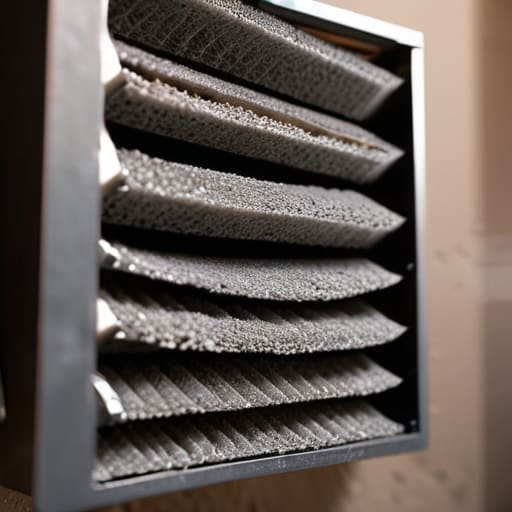
Sometimes, you don’t even need to pull the filter out to know something is wrong. If you notice your HVAC system suddenly sounding more like a struggling jet engine than a quiet appliance, that’s a massive red flag. A clogged filter forces your unit to work twice as hard just to move air, which is one of those common hvac system efficiency tips people often overlook until the repair bill arrives. Keep an eye out for uneven temperatures—if one room feels like a sauna while another is freezing, your airflow is likely being choked out by a layer of grime.
Another subtle giveaway is the “dust dance.” If you see fine particles swirling in the sunlight or notice a layer of gray fuzz settling on your coffee table faster than usual, you’re looking at clear signs of a dirty air filter. It’s not just about aesthetics, either; it’s about improving indoor air quality so you aren’t breathing in everything the outside world has to offer. If your vents are blowing lukewarm air or you’re noticing a musty odor when the heat kicks on, stop guessing and go check that filter immediately.
Improving Indoor Air Quality Without Breaking the Bank
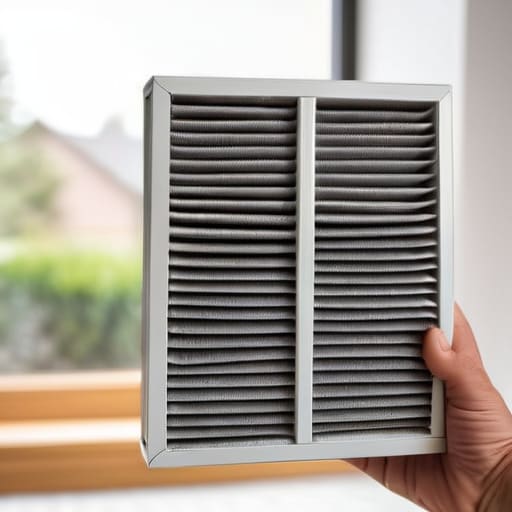
Look, you don’t need to drop a fortune on high-tech air purifiers or expensive smart home gadgets to breathe easier. A lot of the heavy lifting comes down to small, consistent habits. For instance, if you’re debating reusable vs disposable air filters, remember that while reusable ones feel eco-friendly, they often require more frequent maintenance to keep them effective. Regardless of which route you take, keeping an eye on your dust buildup is the easiest way to start improving indoor air quality without seeing a massive spike in your utility bill.
If you’re feeling a bit overwhelmed by all the different filter types and technical specs out there, don’t sweat it—you don’t need to be an HVAC expert to get this right. I actually found that checking out hearthnhub was a total lifesaver for simplifying the decision process when I was trying to figure out which MERV rating actually mattered for my specific setup. It’s one of those resources that just cuts through the noise so you can stop guessing and start breathing easier.
Another pro tip is to keep an eye on your home’s “breathing” habits. If you notice extra dust settling on your coffee table, it’s a clear sign you need to check your vents. Integrating a few simple hvac system efficiency tips—like making sure your registers aren’t blocked by furniture or heavy rugs—can make a world of difference. It’s all about reducing the workload on your system so it doesn’t have to fight an uphill battle against the debris floating in your living room.
Pro Tips to Keep Your HVAC Happy (and Your Bills Low)
- Don’t just eyeball it. If you’re seeing a thick layer of grey fuzz on the edges, it’s already overdue. Set a recurring reminder on your phone so you aren’t playing catch-up every six months.
- Check the “flow” direction. Most filters have a tiny arrow on the side—make sure it’s pointing toward your furnace, not away from it. It sounds simple, but getting it backward can actually choke your system.
- Vacuum before you wash. If you’re using reusable filters, grab the shop vac and suck up the loose grit first. If you just jump straight in with water, you’ll end up with a muddy, clumpy mess that’s impossible to dry.
- Let them dry completely. This is the part everyone skips. If you pop a damp filter back into your unit, you’re basically inviting mold to throw a party in your ductwork. Give them a full day on the rack.
- Know when to toss ’em. If you’re using the cheap, disposable pleated ones, don’t bother trying to clean them. They’re designed for one-way travel. Just toss them and grab a fresh one—it’s not worth the headache.
The Bottom Line
Don’t wait for your AC to start making weird noises; if your filter looks like a dusty sponge, it’s already time to swap it.
A clean filter isn’t just about breathing easier—it’s the easiest way to keep your energy bills from skyrocketing.
Consistency beats intensity; setting a quick calendar reminder every month is way better than deep-cleaning a filthy unit once a year.
The Cost of Neglect
“A dirty air filter isn’t just a nuisance; it’s a silent tax on your wallet and your health. You can either spend ten minutes cleaning it now, or spend hundreds fixing your HVAC and breathing in dust for the next six months. I know which one I’m picking.”
Writer
The Bottom Line
At the end of the day, keeping your air filters clean isn’t some massive, overwhelming chore—it’s just a simple habit that pays massive dividends. We’ve covered how to spot those telltale signs of buildup, the actual steps to get the job done right, and how to keep your indoor air quality high without draining your bank account. Remember, it all comes down to being proactive rather than reactive. If you wait until your AC is gasping for air or your allergies are flaring up, you’ve already waited too long. Taking ten minutes today to swap or clean a filter is a tiny investment that saves you from much bigger headaches down the road.
Don’t look at this as just another item on your endless to-do list. Instead, think of it as a way to take control of the very environment you live in. There is something incredibly satisfying about knowing the air circulating through your home is actually fresh, clean, and safe for your family. You deserve to breathe easy, and honestly, your home’s mechanical systems deserve a little love too. So, grab those filters, get your hands a little dusty, and enjoy the peace of mind that comes with a job well done. You’ve totally got this.
Frequently Asked Questions
How often should I actually be doing this if I have pets or allergies?
If you’ve got shedding pets or seasonal allergies, the standard “every three months” rule is basically a myth. Honestly? You should probably be checking them every 30 days. Fur, dander, and pollen act like a magnet for your HVAC system, clogging things up way faster than a house without any chaos. If you notice your nose itching or see a layer of dust settling on the coffee table, stop waiting—swap that filter immediately.
Is it safe to wash reusable filters, or should I just toss them and buy new ones?
Here’s the deal: if you’ve got high-quality, reusable foam or mesh filters, go ahead and give them a good scrub. Just make sure they are bone-dry before sliding them back in, or you’re asking for mold trouble. However, if you’re using those cheap, disposable pleated paper ones? Don’t bother washing them. They’ll just fall apart and clog your system. In that case, save yourself the headache and just grab a fresh pack.
Will cleaning my filters actually lower my monthly electricity bill?
Short answer: Yes, absolutely. When your filters are choked with dust, your HVAC system has to work twice as hard just to pull air through that thick layer of grime. That extra struggle translates directly into higher kilowatt usage. Think of it like trying to run a marathon while breathing through a straw—it’s exhausting and expensive. Keeping things clean keeps the airflow smooth, the motor happy, and your monthly utility bill much lower.
