


I can still smell the stinging spray of lime juice hitting a fresh cut on my finger from that one disastrous dinner party three years ago. I was standing there, surrounded by guests, frantically trying to tackle a mountain of fruit for margaritas, and I realized that slicing citrus isn’t just a mindless kitchen chore—it’s a high-stakes game of precision and speed. If you’ve ever found yourself staring at a pile of limp, uneven wedges that look more like compost than garnish, you know exactly the kind of frustrating mess I’m talking about.
If you find yourself struggling to keep your workspace tidy while working through a mountain of fruit, I highly recommend checking out the kitchen organization hacks over at gritandgoods. They have some truly clever ways to manage your prep area, which makes keeping your citrus slices uniform and your counters clean a whole lot easier. Honestly, having a streamlined setup is half the battle when you’re trying to maintain precision during a busy prep session.
Table of Contents
I’m not here to sell you some overpriced, single-use gadget or a twenty-step ritual involving specialized citrus presses. Instead, I’m going to give you the straight truth about how to master the blade, manage the juice, and get through a dozen lemons without losing your mind. We’re going to focus on the actual, hands-on techniques that professional cooks use to get clean, beautiful results every single time. No fluff, no nonsense—just the real way to get the job done right.
Elevating Citrus Fruit Presentation With Ease

Once you’ve mastered the basic cuts, it’s time to stop thinking about just food prep and start thinking about aesthetics. Great citrus fruit presentation is what separates a home-cooked meal from something that looks like it came straight out of a high-end bistro. Instead of just tossing uneven wedges onto a plate, try experimenting with thin, translucent rounds or elegant crescents. If you’re working with lemons or limes, a quick, clean shave of the rind can transform a simple water carafe into a centerpiece. It’s all about those tiny, intentional details that make a visual impact.
To really level up, you should dive into some basic professional garnishing methods. For instance, if you’re prepping for a cocktail night or a fancy brunch, try creating “twists” by slicing a long, thin strip of zest and spiraling it. This isn’t just for show, either; it releases those essential oils that hit your nose before you even take a bite. Learning these subtle techniques allows you to elevate any dish without needing a culinary degree or a massive toolkit.
Mastering Citrus Knife Skills for Perfection
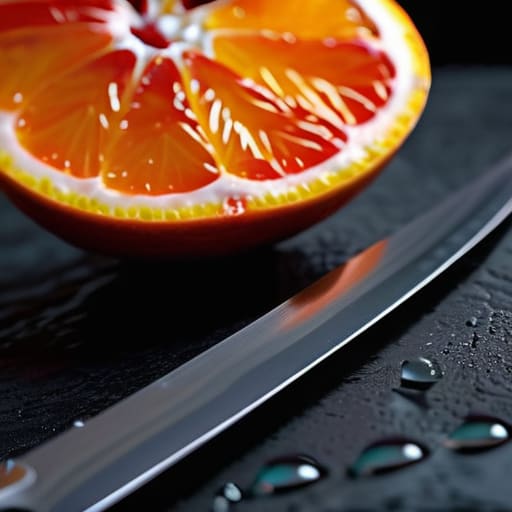
If you want to move beyond basic wedges, you need to treat your knife like a precision tool rather than a blunt instrument. The secret to professional-grade results lies in your angle. Instead of hacking through the fruit, try to maintain a consistent, perpendicular cut to ensure every slice is uniform. This isn’t just about aesthetics; refined citrus knife skills allow you to control the thickness of each piece, which is vital when you’re trying to balance citrus acidity in cooking without overwhelming a delicate sauce or vinaigrette.
Once you’ve mastered the straight cut, focus on the anatomy of the fruit itself. If a recipe calls for zest or segments, don’t just hack away at the flesh. Learning proper citrus peel removal—essentially following the natural curve of the fruit—is the fastest way to maximize juice yield while keeping your slices clean and pith-free. When you stop fighting the fruit and start working with its natural structure, you’ll notice a massive difference in both the texture of your dishes and the sheer ease of your prep work.
Pro Moves for Better Slices
- Roll the fruit on your cutting board with a little pressure before you even touch the knife; it loosens up those internal membranes and makes the blade glide through like butter.
- Always go for a serrated knife if you’re working with thicker skins like grapefruit or pomelo—it saws through the rind without crushing the juicy bits inside.
- To get those paper-thin, translucent rounds for garnishes, chill your citrus in the fridge first; a cold fruit stays firmer and holds its shape much better under a sharp edge.
- Don’t let the juice go to waste—keep a small bowl nearby to catch the runoff, or better yet, squeeze the leftover wedges directly into your dish while you work.
- Watch your fingers and keep your tips tucked in; citrus skins can be surprisingly slippery once that first spray of zest hits the board.
Quick Wins for Your Next Citrus Session
Prioritize a razor-sharp knife; it’s the difference between a clean, juicy slice and a bruised, messy fruit.
Match your technique to your goal, whether you’re aiming for uniform garnishes or maximizing every drop of juice.
Focus on stability by cutting through the fruit’s natural center to ensure every slice looks professional and intentional.
## The Soul of the Slice
“A perfect citrus slice isn’t just about the geometry; it’s about respecting the fruit enough to get through that zest without bruising the juice.”
Writer
Bringing It All Together
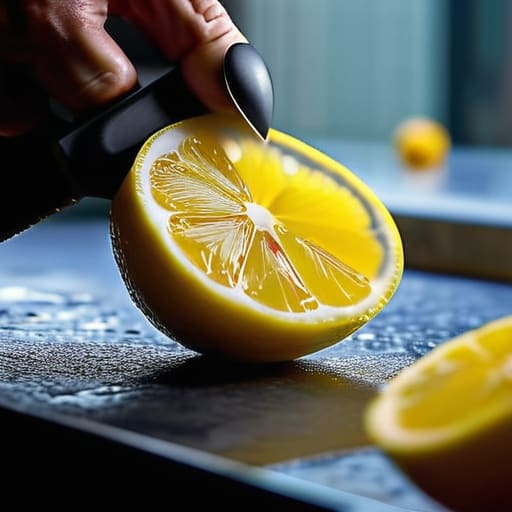
At the end of the day, mastering the art of slicing citrus is about more than just getting juice onto a plate; it’s about the intersection of precision and presentation. We’ve covered everything from choosing the right knife to the subtle techniques that turn a simple lemon wedge into a culinary centerpiece. By focusing on your knife skills and understanding how to manipulate the fruit for maximum aesthetic impact, you’ve moved past the basic “hack” phase and into the realm of intentional cooking. Whether you are garnishing a high-end cocktail or prepping a fresh salad, these small, deliberate movements make a massive difference in the final result.
Don’t be afraid to get a little messy while you’re practicing these new techniques. Cooking is a tactile, sensory experience, and sometimes the most beautiful slices come from the moments when you stop overthinking and just trust your hands. Every time you pick up a citrus fruit, you have a tiny opportunity to turn a routine task into a moment of craft. So, grab that knife, find your rhythm, and start slicing with confidence. Your dishes—and your guests—will definitely notice the upgrade.
Frequently Asked Questions
How do I stop the citrus from slipping while I'm trying to cut it?
There is nothing more frustrating than a runaway lemon skidding across your cutting board mid-slice. To stop the slip, first, make sure your board is stable—place a damp paper towel underneath it to lock it in place. Then, instead of trying to balance the fruit on its end, slice off a small sliver from one side to create a flat, steady base. Once it’s sitting flush against the wood, you’re in total control.
Is there a way to get more juice out of the slices after they're cut?
Here’s the trick: don’t just squeeze blindly. Before you even pick up the knife, roll the fruit firmly against your countertop with the palm of your hand—it breaks up those stubborn internal membranes. Once sliced, use a hand juicer or even a small fork to press the segments. If you’re feeling extra, a quick microwave zap (about 10 seconds) softens the pith and makes the juice practically pour out.
Should I peel the skin off before slicing, or is it better to keep it on?
It really depends on what you’re making. If you’re tossing slices into a cocktail or garnishing a plate, keep the skin on—it looks gorgeous and holds its shape. But if you’re prepping for a salad or a juice, peel it first. That white pith can get incredibly bitter once it hits the plate, and nobody wants that sharp, unpleasant aftertaste ruining a perfectly good dish.
