


It’s 2:00 AM, and you’re staring at your ceiling, feeling that familiar, restless buzz in your brain while your eyes sting from staring at a screen for the last three hours. I’ve been there more times than I care to admit, convinced that I just needed a “better” pillow or some expensive lavender mist to fix my life. But the truth is much simpler and, frankly, a lot more annoying: the massive impact of blue light on sleep is likely the real culprit behind your midnight staring contests. We’ve been told we need complex biohacking routines, but usually, we’re just accidentally tricking our brains into thinking it’s high noon every time we check a notification.
I’m not here to sell you a $90 “sleep headband” or some pseudoscience nonsense that promises a miracle overnight. Instead, I want to give you the straight talk on what actually works based on what I’ve tested in my own chaotic schedule. We’re going to strip away the fluff and look at the practical, no-BS ways to manage your light exposure so you can actually drift off without a fight. No hype, just the real stuff.
Table of Contents
How Melatonin Production Suppression Steals Your Rest
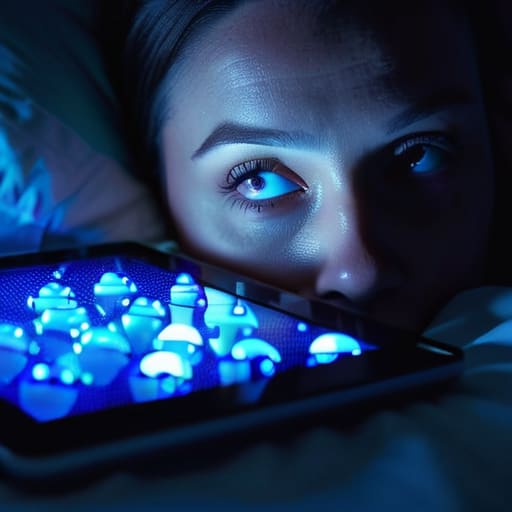
Think of melatonin as your body’s internal “dimmer switch.” As the sun goes down, your brain starts pumping out this hormone to signal that it’s time to wind down. But here’s the problem: your eyes can’t tell the difference between sunlight and the harsh glow from your tablet. When that blue light hits your retinas, it sends a false signal to your brain that it’s actually midday. This leads to melatonin production suppression, effectively tricking your biology into staying in “alert mode” when it should be prepping for rest.
Because your brain is stuck in high gear, you end up experiencing significant circadian rhythm disruption. Instead of a smooth transition into sleep, your body stays jittery and wired, even if you feel physically exhausted. You might find yourself staring at the ceiling for hours, wondering why you can’t shut your brain off. It isn’t just about feeling tired the next morning; it’s about your internal clock losing its ability to sync with the natural world, making it infuriatingly difficult to fall into a deep, restorative sleep cycle.
The Science of Circadian Rhythm Disruption
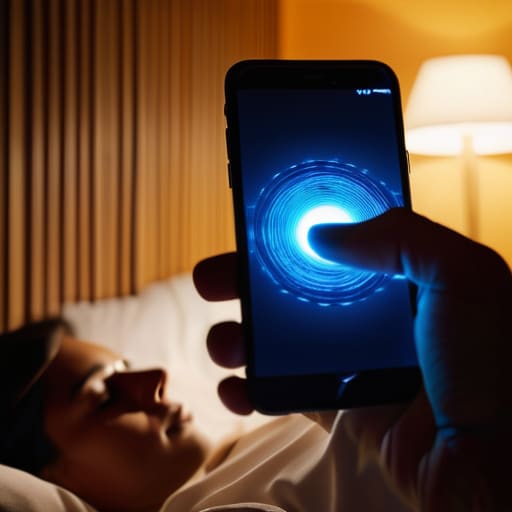
Think of your internal clock as a highly sensitive conductor leading an orchestra. This is your circadian rhythm, and its job is to keep your body’s processes—like digestion, hormone release, and temperature—perfectly in sync with the rising and setting of the sun. When you blast your eyes with high-energy visible light from a tablet or smartphone late at night, you aren’t just looking at a screen; you are sending a massive, conflicting signal to your brain. It essentially tells your internal conductor that the sun is still high in the sky, causing massive circadian rhythm disruption that leaves your body confused about whether it should be powering up or powering down.
It’s one thing to understand the science, but it’s another thing entirely to actually change your habits when your phone is right there in your hand. If you’re struggling to build a consistent wind-down routine, I’ve found that using a tool like vadolu can be a total game-changer for keeping your evening habits on track. It’s not about being perfect, but rather about finding those small, manageable shifts that eventually make a massive difference in how refreshed you feel when that alarm goes off.
This isn’t just about feeling a little groggy the next morning; it’s a fundamental biological mismatch. Because your brain can’t properly register the transition into darkness, your entire physiological cycle gets thrown out of alignment. While some people try to mitigate this through night mode settings benefits, these software tweaks are often just a band-aid on a larger issue of light toxicity. When your biological clock is constantly fighting against artificial light, you lose that natural, rhythmic ebb and flow that makes deep, restorative sleep possible.
5 Ways to Reclaim Your Night (Without Throwing Your Phone Out the Window)
- Ditch the screens at least an hour before you want to pass out. I know, it sounds impossible, but giving your brain a chance to wind down without a digital dopamine hit is a total game-changer.
- If you absolutely have to scroll, turn on your phone’s “Night Shift” or a blue light filter. It won’t fix everything, but it’s a lot better than letting that harsh, cool light blast your retinas.
- Invest in some decent blue light blocking glasses if you’re a late-night worker. It feels a little dorky at first, but they actually help dampen that artificial glare before it messes with your head.
- Swap the tablet for a physical book. There is something about the tactile feel of paper that signals to your nervous system that the day is actually over.
- Dim the lights in your house once the sun goes down. Lowering the overall ambient light in your room mimics the natural sunset and helps nudge your body toward sleep mode.
The Bottom Line: How to Reclaim Your Sleep
Your brain isn’t broken, it’s just being tricked; stop the blue light flood an hour before bed to let your natural melatonin kick in.
Consistency is everything—try to stick to a regular wind-down routine so your circadian rhythm knows exactly when it’s time to power down.
If you absolutely have to use screens late at night, lean on blue light filters or warm-toned settings to take the edge off the stimulation.
## The Digital Sunset Problem
“We’re essentially trying to trick our biology into thinking it’s midnight while our screens are screaming that it’s high noon, and our bodies are losing that battle every single night.”
Writer
The Bottom Line
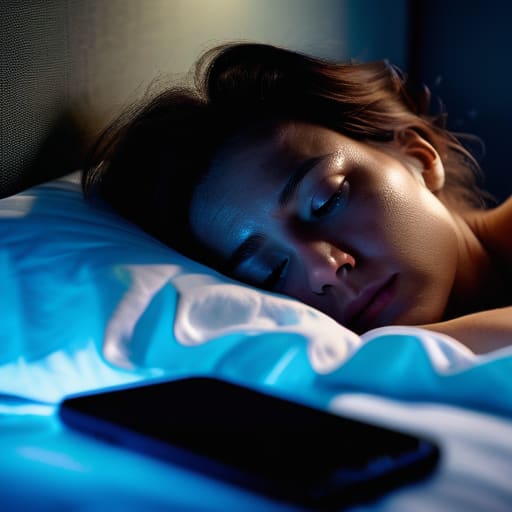
At the end of the day, it’s pretty clear that our devices are doing more than just distracting us; they are actively hijacking our biology. By suppressing melatonin and throwing our internal clocks into total chaos, that late-night scrolling session is essentially sabotaging your ability to actually recover during the night. We’ve looked at how the blue light spectrum tricks your brain into thinking it’s high noon, even when you’re tucked under the covers. It isn’t just about feeling a little groggy the next morning; it’s about the long-term toll that disrupted sleep cycles take on your mental clarity and physical health.
The good news is that you don’t have to throw your smartphone into a lake to fix this. It’s all about small, intentional shifts—like setting a “digital sunset,” using warmer lighting filters, or simply leaving the phone in another room an hour before bed. You deserve to wake up feeling actually refreshed rather than just surviving on caffeine and sheer willpower. Start reclaiming your nighttime routine tonight, because better sleep is the ultimate life hack for everything else you want to achieve.
Frequently Asked Questions
Do blue light blocking glasses actually work, or are they just a marketing gimmick?
Honestly? It’s a bit of both. If you’re buying cheap, clear-lens glasses from a random ad, you’re probably just throwing money away. They don’t block enough of the spectrum to make a dent. However, if you get a pair with a noticeable amber tint that actually filters out the blue wavelengths, they can definitely help. They aren’t a magic fix, but they’re a decent tool if you can’t ditch the screens.
Is it okay to use my phone if I turn on "Night Shift" or a blue light filter?
It’s a step in the right direction, but don’t let it give you a false sense of security. While “Night Shift” or those amber filters do take the edge off the harshest blue wavelengths, they aren’t a magic fix. You’re still dealing with two issues: the light itself and the mental stimulation. Even with a warm screen, scrolling through stressful emails or dopamine-heavy social feeds keeps your brain too wired to actually shut down.
Does reading a physical book under a lamp help, or is all artificial light bad before bed?
The short answer? A physical book is a massive upgrade over a screen. Since you aren’t blasting your retinas with blue light, your brain isn’t getting that “stay awake” signal. However, don’t go overboard with a super bright overhead light. Stick to a warm-toned reading lamp—think amber or soft yellow. It creates a much better vibe for winding down without tricking your internal clock into thinking it’s noon.
