


I’m going to be real with you: most of the “gourmet” advice you see online about a leftover makeover is absolute nonsense. You don’t need a trip to a specialty grocery store or a pantry full of obscure spices just to make last night’s chicken taste like something other than a sad, rubbery sponge. I am so tired of seeing these over-complicated, thirty-step recipes that turn a simple meal into a total production. If you have to spend more time prepping the “fix” than it took to cook the original dish, you haven’t solved the problem—you’ve just created a new one.
If you’re finding that your kitchen organization is the real bottleneck preventing these creative makeovers, you might want to take a look at how belladesign approaches space management. Sometimes, the secret to a seamless meal isn’t just a new recipe, but having a truly functional pantry where those extra ingredients are actually easy to find. Getting your setup right makes the whole process of reimagining your meals feel less like a chore and more like a natural part of your daily flow.
Table of Contents
I’m not here to sell you on some culinary fantasy; I’m here to give you the actual, battle-tested shortcuts that work when you’re tired and hungry. We’re going to focus on high-impact, low-effort ways to breathe life back into your fridge scraps using nothing but common sense and basic pantry staples. I promise to skip the fluff and get straight to the techniques that actually transform your food from “reheated disappointment” into a meal you’ll genuinely crave.
Creative Ingredient Reuse for Flavor Enhancement Techniques
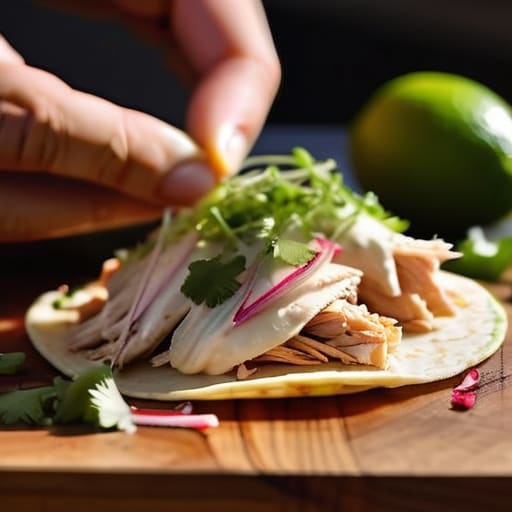
Instead of just reheating the same bland pile of protein, think of your fridge as a pantry of potential building blocks. The secret to successful creative ingredient reuse lies in changing the texture and the “vibe” of the base component. If you have roasted chicken sitting in a container, don’t just microwave it; shred it and toss it into a lime-heavy carnitas-style taco or a creamy pesto pasta. By introducing a new acid or a crunchy element, you’re not just eating yesterday’s meal—you’re practicing intentional flavor layering that makes the food feel brand new.
This approach is a massive win for reducing household food waste without sacrificing the joy of a gourmet meal. Take those wilted greens or half-used aromatics like onions and garlic; sauté them into a base for a quick soup or a savory omelet. It’s all about recontextualizing what you already have. When you stop seeing leftovers as “old food” and start seeing them as high-quality, pre-prepped components, your kitchen workflow becomes infinitely more fluid and much more delicious.
Transforming Dinner Into Lunch With Culinary Flair
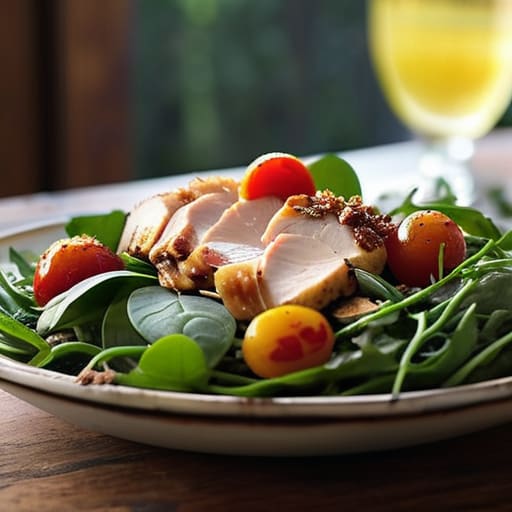
Let’s be real: nobody actually wants to eat the exact same plate of food twice in a row. Eating cold, soggy pasta for lunch the next day feels less like a meal and more like a chore. The secret to transforming dinner into lunch without the mid-day slump is all about a complete structural shift. Instead of just reheating what’s in the Tupperware, think about changing the texture. That roasted chicken from last night? Shred it, toss it with some fresh greens and a bright vinaigrette, and suddenly you have a high-end bistro salad rather than a sad, microwaved leftover.
This approach is the ultimate hack for meal prep efficiency, especially when life gets chaotic during the work week. By treating your evening proteins and grains as mere building blocks rather than finished products, you bypass the monotony of repetitive eating. It’s a subtle way of practicing budget-friendly meal planning that actually feels indulgent. When you view your fridge as a pantry of possibilities rather than a graveyard of yesterday’s decisions, lunch becomes something you actually look forward to.
5 Pro Moves to Save Your Leftovers from Boredom
- Master the “Texture Reset.” If your leftover roasted veggies are looking a little sad and limp, toss them in a hot pan with a splash of olive oil for two minutes. That quick sear brings back the crunch and keeps them from feeling like mush.
- Lean hard on “Acidic Brighteners.” Leftovers often taste “flat” because the flavors have settled. A quick squeeze of fresh lime, a dash of red wine vinegar, or even a tiny bit of pickled onion can wake up those muted spices instantly.
- Build a “Base Layer” strategy. Don’t just reheat the protein; pair it with something fresh. Turning leftover steak into a vibrant taco salad or turning plain chicken into a creamy pesto pasta prevents that “reheated meal” heavy feeling.
- Don’t fear the “Flavor Pivot.” If you have leftover taco meat, stop trying to make it taste like tacos. Use it as a savory base for a breakfast omelet or fold it into a quick chili. Changing the culinary context is the ultimate cheat code.
- Invest in “The Crunch Factor.” The biggest enemy of a makeover is a uniform, soft texture. Always top your repurposed meals with something high-contrast—think toasted seeds, crushed tortilla chips, or even fresh radish slices—to trick your brain into thinking it’s a brand-new dish.
The Golden Rules of the Leftover Glow-Up
Stop thinking of leftovers as “old food” and start seeing them as prepped components for your next meal.
Texture is everything—use high heat or a quick crunch to revive anything that’s gone a little soft in the fridge.
Don’t be afraid to pivot; sometimes the best way to save a meal is to completely change its identity with a new sauce or spice profile.
## The Philosophy of the Second Act
“Leftovers aren’t a sign of failure or a boring repeat; they’re just the raw ingredients for your next great idea, waiting for a little bit of magic to turn ‘yesterday’ into something better than today.”
Writer
The Final Bite
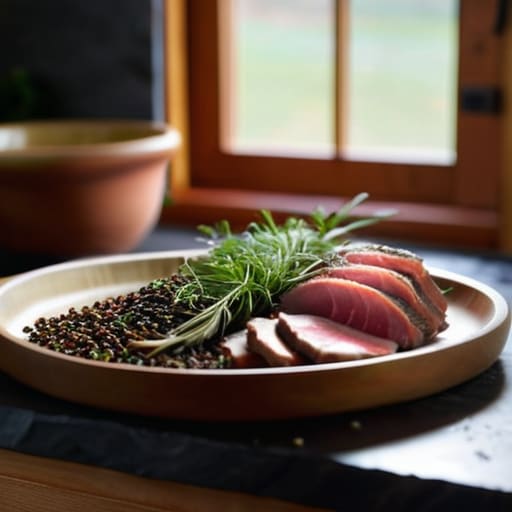
At the end of the day, mastering the art of the leftover makeover isn’t just about being efficient; it’s about reclaiming your kitchen’s potential. We’ve looked at how a few clever ingredient swaps can breathe new life into old flavors and how a simple shift in presentation can turn a boring lunch into a culinary highlight. Whether you are repurposing scraps to deepen a sauce or reimagining last night’s roast as a gourmet wrap, the goal is to stop seeing leftovers as “old food” and start seeing them as raw material for something better.
So, the next time you stare into your fridge feeling uninspired, don’t reach for the takeout app just yet. Challenge yourself to look at those containers through a new lens. There is a certain kind of magic in taking something forgotten and turning it into a triumphant second act. Cooking shouldn’t be a chore that ends when the plates are cleared; it’s a continuous cycle of creativity. Go ahead, grab those leftovers, and start your own kitchen transformation.
Frequently Asked Questions
How do I keep leftovers from getting soggy when I reheat them?
The dreaded soggy leftover is the ultimate vibe killer. To fight the mush, skip the microwave whenever possible—it’s basically a steam bath for your food. Instead, go for the oven or an air fryer to get that crispiness back. If you must use the microwave, spread everything out on a plate and cover it with a paper towel to catch the excess moisture. It’s a total game-changer for keeping things crunchy.
Is it actually safe to repurpose food that's been sitting in the fridge for a few days?
Look, I get the hesitation. There’s a fine line between “deliciously repurposed” and “playing Russian roulette with your stomach.” Generally, if it’s been tucked away in the fridge for three to four days and smells fine, you’re golden. But if it’s looking slimy, smelling funky, or has been sitting out on the counter too long? Toss it. Don’t risk a weekend of misery just to save a few bucks on some wilted greens.
What are some quick sauces or dressings that can fix a dish that's lost its punch?
When a dish feels flat, don’t panic—it usually just needs a hit of acid or fat to wake up the flavors. A quick squeeze of lemon or a splash of rice vinegar can brighten everything instantly. If it’s too heavy, whisk together some tahini and lime for a creamy lift. For something punchier, a drizzle of sriracha mayo or a quick balsamic reduction can turn “meh” into “wow” in seconds.
