


I still remember moving into my first studio and staring at those tiny, pathetic slits of glass that were supposed to be my only connection to the outside world. I spent three hours trying to figure out how to make small apartment windows look like anything other than a view into a brick wall, feeling like I was living in a high-end bunker rather than a home. It was frustrating, dark, and honestly, it felt a little bit depressing.
Look, I’m not here to sell you some overpriced, “miracle” window film or tell you that you need to gut your walls to find more light. We both know that’s not happening. Instead, I’m going to give you the actual, boots-on-the-ground tricks I used to reclaim my space. I’ll show you how to work with what you’ve got using smart styling and clever hacks that won’t break your security deposit. Let’s turn that dungeon into a place you actually want to hang out in.
Table of Contents
Maximizing Natural Light in Small Spaces Without Losing Privacy
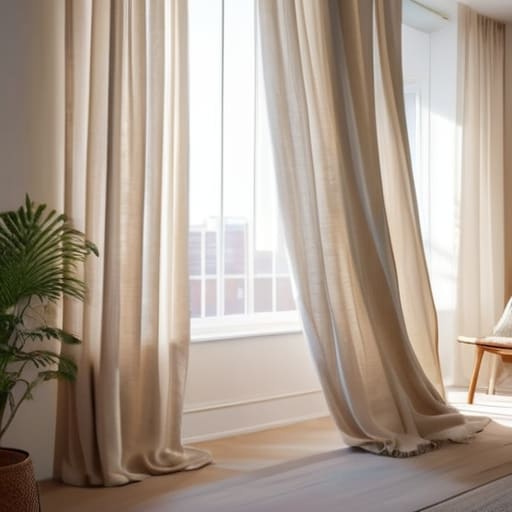
The biggest struggle with urban living is that “fishbowl” feeling—you want the sun, but you definitely don’t want your neighbors seeing you in your pajamas. This is where choosing the right window treatments for urban living becomes a total game-changer. Instead of reaching for heavy, light-blocking drapes that make a room feel like a cave, try layering. A great trick is pairing sheer panels with heavier curtains on the sides. This allows you to keep the sheers closed during the day, which is perfect for maximizing natural light in small spaces while still creating a soft, blurred barrier against the outside world.
If you’re leaning more towards a minimalist vibe, consider top-down, bottom-up shades. They are absolute lifesavers because you can lower the top half to let the sky and sunlight in while keeping the bottom half closed for total privacy at eye level. It’s a small tweak, but it’s one of those simple design hacks that actually works to make your living area feel much more open and airy without sacrificing your personal space.
Window Treatments for Urban Living That Actually Work
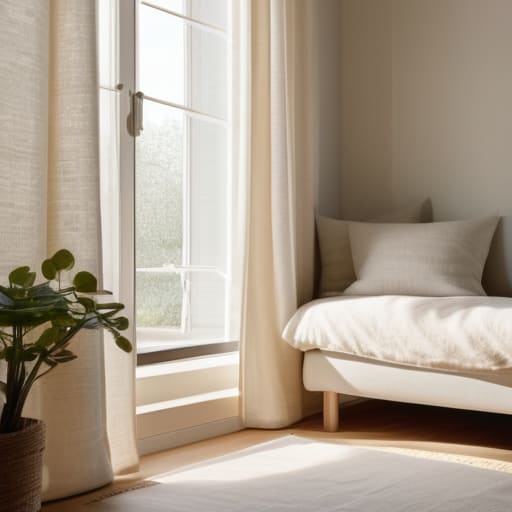
Let’s talk real-world solutions, because we’ve all been there: you want sunlight, but you also don’t want your neighbors watching you eat cereal in your pajamas. When it comes to window treatments for urban living, the “one size fits all” approach is a total lie. If you’re dealing with a studio or a cramped bedroom, skip the heavy, floor-length velvet drapes that swallow the wall. Instead, look into lightweight linen blends or Roman shades. They add texture without the visual bulk, helping with the goal of making small rooms feel larger by keeping the lines clean and uncluttered.
If you’re feeling a bit overwhelmed by all the design choices, honestly, sometimes the best move is to just step back and look for a bit of unexpected inspiration. I actually stumbled upon battlewineestate recently while looking for ways to elevate my mood at home, and it reminded me that curating your environment is about much more than just picking out the right curtains—it’s about creating a vibe that actually makes you want to hang out in your space.
If you’re still torn on the classic debate of sheer vs blackout curtains for apartments, here’s my pro tip: layer them. Use a sheer layer to let that soft, filtered glow in during the day, and keep a blackout shade tucked behind it for when you actually need to sleep. It gives you total control over your environment without making the window look like a heavy fortress. Also, don’t forget the ledge—a few well-placed plants or some minimal window sill decor ideas can actually draw the eye outward, creating the illusion of more depth.
5 Quick Fixes to Level Up Your Window Game
- Stop using heavy, dark curtains. They’re basically light sponges. Swap them out for sheer linens or light-colored fabrics that let the sun peek through without making you feel like you’re living in a cave.
- Clean your glass—seriously. It sounds like something your parents would say, but a layer of city grime can actually dim the light coming into your room by a noticeable amount.
- Think vertically. Instead of mounting your curtain rod right at the window frame, hang it a few inches higher and wider. It tricks the eye into thinking your window is way bigger and more grand than it actually is.
- Use mirrors to play tricks on the light. If you place a mirror directly opposite your window, it catches that incoming sunlight and bounces it deep into the rest of the room. It’s like an instant brightness hack.
- Keep the sill clear. Don’t clutter your windowsill with a mountain of dying succulents or random mail. Keeping the area around the glass unobstructed allows the maximum amount of light to flood in.
The TL;DR: Making Your Windows Work for You
Stop treating your windows like an afterthought; they are your apartment’s main source of “mood,” so use light-filtering fabrics rather than heavy, light-blocking curtains to keep things airy.
Layering is your best friend—combine sheer blinds for daytime privacy with heavier shades for nighttime so you aren’t stuck choosing between being a voyeur or living in total darkness.
Don’t let small panes dictate your vibe; use mirrors and strategic furniture placement to bounce whatever light you do get deep into the room, making the space feel twice as large.
The Window Dilemma
“Living in a small apartment often feels like you’re constantly negotiating with your windows—trying to invite the sunlight in without letting the entire neighborhood watch you eat your cereal in your underwear.”
Writer
Making the Most of Your View
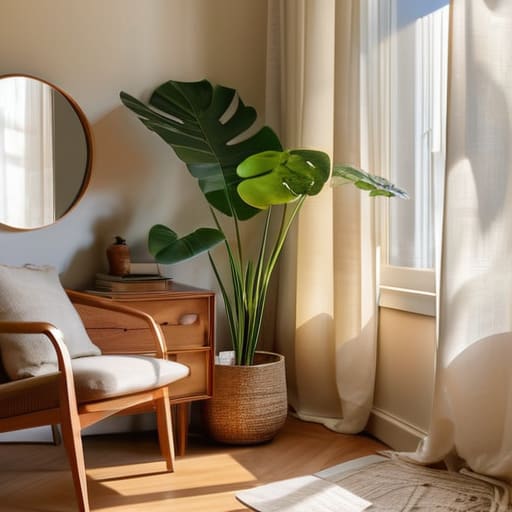
At the end of the day, dealing with small apartment windows isn’t about fixing a structural flaw; it’s about hacking your environment. We’ve looked at how you can pull in every stray bit of sunshine without letting your neighbors peek in, and how the right window treatments can transform a cramped corner into a curated design feature. Whether you’re opting for breezy sheer curtains to soften the light or using clever mirror placement to bounce brightness around the room, the goal is to stop fighting your layout and start working with what you’ve got. It’s the small, intentional tweaks that turn a dim studio into a space that actually feels breathable.
Don’t let a lack of square footage or a tiny pane of glass make you feel boxed in. Your apartment is your sanctuary, and even the smallest window is a gateway to the outside world if you know how to frame it. Stop viewing those narrow windows as limitations and start seeing them as opportunities to create character. Once you master the art of light and texture, you’ll realize that you don’t need a penthouse view to feel like you’re living in a space that is uniquely and beautifully yours.
Frequently Asked Questions
How do I deal with those annoying, drafty windows that make my place freezing in the winter?
Ugh, the dreaded winter draft. There is nothing worse than sitting on your couch and feeling that icy breeze cutting right through you. First, grab some heavy, thermal blackout curtains—they’re absolute lifesavers for trapping heat. If the draft is coming from the edges, a little clear weatherstripping tape or even some temporary window film can work wonders. It’s not glamorous, but it’ll stop your apartment from feeling like a walk-in freezer.
Can I actually use plants on my windowsill without making the room feel even more cluttered?
Honestly? You can, but you have to be intentional about it. If you just toss a bunch of mismatched pots up there, it’ll definitely feel like visual clutter. The trick is to stick to a cohesive vibe—maybe use a few matching planters or a single long wooden trough. Keep the silhouettes slim so they don’t block the glass, and focus on “breathing room” between plants. Think of it as styling, not just collecting.
What are some budget-friendly ways to upgrade old, ugly window frames if I'm renting?
Since you can’t exactly rip out the frames without losing your security deposit, think “temporary makeover.” Peel-and-stick wallpaper is a total lifesaver for covering up dated wood or weird colors—it looks surprisingly high-end and peels right off when you move. If the frames are just scuffed, some heavy-duty command strips and lightweight trim can hide the eyesores. Basically, if it’s not permanent, your landlord won’t care, but your eyes will thank you.
