


I was sitting in my favorite corner of the local cafe last Tuesday, surrounded by the comforting, vanilla-scented chaos of a massive personal library, when I realized something infuriating. A guy at the next table was lecturing his friend about how “real readers” are moving entirely to tablets to save space, as if a screen could ever replicate the tactile weight of a well-loved hardcover. It’s this constant, exhausting debate—this endless tug-of-war between digital vs physical books—that makes me want to roll my eyes into another dimension. People act like it’s a binary choice where you have to pick a side and die on it, but that’s just not how reading actually works in the real world.
Look, I’m not here to give you a sanitized, academic breakdown of e-reader battery life or paper acidity. I’ve spent years oscillating between the two, and I’ve felt the specific frustration of both a dying Kindle and a heavy book that’s impossible to read in bed. I’m going to give you the unfiltered truth about which format actually serves your lifestyle, without the tech-bro hype or the elitist snobbery.
Table of Contents
- The Sensory Benefits of Paper Books and Tactile Joy
- E Reader vs Paperback Pros and Cons for Every Reader
- How to Pick Your Perfect Reading Style Without the Guilt
- The Final Verdict: Finding Your Reading Rhythm
- The Heart vs. The Hard Drive
- The Final Verdict: Finding Your Own Rhythm
- Frequently Asked Questions
The Sensory Benefits of Paper Books and Tactile Joy

There is something almost spiritual about the weight of a hardcover in your hands. It’s not just about the object itself, but the way it engages your senses. I find that when I’m holding a real book, my brain signals that it’s time to actually focus. There’s the subtle, vanilla-like scent of aging paper, the rhythmic sound of a page turning, and that satisfying resistance of a spine cracking just right. These sensory benefits of paper books create a grounding ritual that a cold, glass screen simply cannot replicate.
Of course, if you find yourself caught in the middle of this debate, you don’t actually have to pick a side. I’ve personally found that the best way to enjoy both worlds is to curate a reading environment that feels right for the moment—maybe a heavy hardcover for a rainy Sunday, and a sleek e-reader for my chaotic morning commute. If you’re looking for ways to make your reading nook feel even more cozy while you dive into your next favorite story, I always suggest checking out alisonlawsoncakes for some sweet inspiration to pair with your books; honestly, nothing makes a reading session feel more like a true escape than a little something delicious on the side.
When I’m deep in a story, I don’t want to be reminded that I’m staring at a device. With a physical copy, there are no notifications popping up to break my immersion, and more importantly, no dreaded digital reading eye strain creeping in after an hour of scrolling. A paperback feels like a companion, a tangible piece of history you can tuck under your arm or display proudly on a shelf. It’s a physical manifestation of the journey you’ve taken, something you can actually hold onto long after the final chapter is closed.
E Reader vs Paperback Pros and Cons for Every Reader
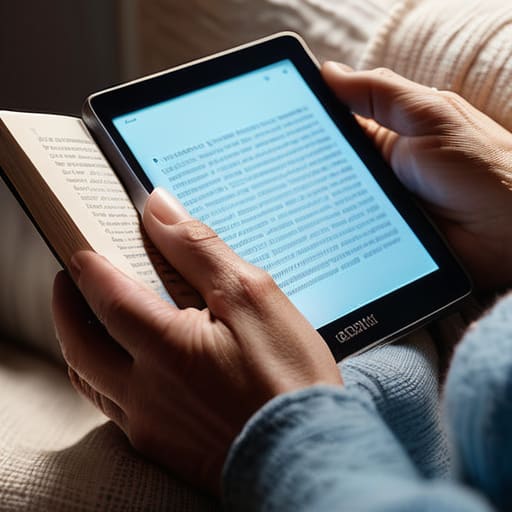
When you’re weighing the e-reader vs paperback pros and cons, it really comes down to your specific lifestyle. If you’re a frequent traveler or a commuter who relies on public transit, the sheer convenience of a Kindle is hard to beat. It’s one of the ultimate space saving reading solutions, allowing you to carry an entire library in a device thinner than a single notepad. You aren’t wrestling with a heavy hardcover in a cramped airplane seat, and you can adjust font sizes on the fly—which is a total lifesaver if you’re reading in dim light.
However, there’s a trade-off that many of us overlook until we’re halfway through a long session. I’ve noticed that prolonged sessions on a tablet can lead to significant digital reading eye strain, making me reach for my glasses much sooner than I would with a physical copy. There is also the financial side to consider; while the initial investment in a device is high, the cost of ebooks vs printed books often tips in favor of digital for newer releases. Ultimately, it’s about choosing whether you want the portability of a gadget or the timeless reliability of ink.
How to Pick Your Perfect Reading Style Without the Guilt
- Don’t feel like you have to pick a side; I’ve learned that the best way to read is to use paper for the heavy, emotional stories you want to keep on your shelf, and save the digital files for mindless thrillers or long commutes.
- If you’re a space-saver, stop buying physical copies of books you’ll only read once—keep your physical shelves for your absolute favorites and let your e-reader handle the rest.
- Check your lighting situation before committing; if you’re a night owl who reads in bed, an e-reader with a built-in warm light is a total game-changer for your eyes (and your partner’s sleep).
- Use the “Library Test” for new genres—if you’re diving into a topic you might never touch again, grab the ebook version so you aren’t cluttering your home with “what if” reading material.
- Always carry a physical book as a backup—there is nothing more frustrating than a dead battery or a glare-heavy screen when you’re stuck in a beautiful, sunlit park.
The Final Verdict: Finding Your Reading Rhythm
Don’t feel pressured to pick a side; the best readers are the ones who use paper for deep, cozy immersion and e-readers for the heavy lifting of travel and commuting.
Your choice should depend on your environment—reach for a physical book when you need a digital detox, but lean on your device when convenience is king.
Ultimately, it’s not about the medium, it’s about the story, so choose whichever format actually gets you to turn the next page.
The Heart vs. The Hard Drive
“At the end of the day, an e-reader is a tool for consuming information, but a physical book is a vessel for holding memories—you can’t feel the weight of a life-changing chapter if it’s just pixels on a glass screen.”
Writer
The Final Verdict: Finding Your Own Rhythm

At the end of the day, there isn’t a “correct” way to consume a story, only the way that works for you in this specific moment of your life. If you crave the weight of a hardback and that nostalgic scent of aging paper, don’t feel guilty about letting your shelves overflow. On the flip side, if you’re a traveler or a night owl who needs to adjust font sizes at 2 AM, the digital world is an absolute lifesaver. We’ve moved past the era of choosing one or the other; instead, we live in a golden age where we can embrace both worlds depending on our mood, our space, and our lifestyle.
Ultimately, whether you are flipping a crisp page or swiping a sleek screen, the magic remains exactly the same. The medium is just the vessel; the real treasure is the way a well-told tale makes your heart race or your mind expand. Don’t let the debate over technology distract you from the pure joy of getting lost in another universe. So, grab whatever is closest to you—be it a dusty paperback or a fully charged Kindle—and just keep reading.
Frequently Asked Questions
How do I actually manage a digital library without feeling like I'm losing my collection?
The secret is to stop treating your Kindle like a junk drawer. I started using Calibre to organize my files, which makes my digital library feel less like a chaotic cloud and more like a curated archive. I also keep a “digital shelf” list in my physical journal. It sounds nerdy, but logging my digital reads alongside my paperbacks gives me that same sense of ownership and pride in my growing collection.
Are e-ink screens actually better for my eyes during long night reading sessions?
Honestly, if you’re a night owl, e-ink is a total lifesaver compared to a tablet or phone. Since it mimics real ink rather than blasting light directly into your retinas, it doesn’t trigger that harsh blue-light strain that keeps you wired. Just a heads-up, though: if your device has a built-in front light, keep it on a warm setting. It’s much kinder to your eyes when you’re winding down in the dark.
Is it worth investing in a dedicated e-reader if I already own a tablet?
Honestly? If you’re just scrolling through social media and checking emails, stick to your tablet. But if you actually want to read, a dedicated e-reader is a total game-changer. Tablets are glare machines that kill your eyes and tempt you with constant notifications. An e-reader feels like paper, the battery lasts weeks, and most importantly, it actually lets you focus on the story instead of your inbox. It’s worth every penny for the peace of mind alone.
