


I was sitting in seat 24B, wedged between a snoring businessman and a toddler with a relentless interest in my personal space, staring at a “top ten” list of luxury travel reading apps. The internet loves to sell you this polished fantasy of high-tech e-readers and curated literary subscriptions, but let’s be real: most of that gear is just expensive clutter that dies the moment your battery hits zero. There is a massive difference between the curated aesthetic of a travel influencer and the gritty, chaotic reality of reading during travel when you’re actually trying to escape the hum of a jet engine.
I’m not here to sell you on some overpriced gadget or a “mindfulness” hack that requires a stable Wi-Fi connection. Instead, I’m going to give you the raw, battle-tested truth about what actually works when you’re stuck in transit. We’re going to talk about the heavy paperbacks that are actually worth the luggage weight, the digital setups that won’t fail you mid-flight, and how to actually focus when the world around you is falling apart. This is about making the journey actually enjoyable, not just more complicated.
Table of Contents
Curating the Ultimate Travel Reading List Ideas

The biggest mistake I see people make is trying to pack their entire library. You don’t need a sprawling epic that requires deep, uninterrupted focus when you’re navigating a noisy terminal. Instead, I like to build my travel reading list ideas around “vibe-matching.” If you’re heading to a sun-drenched beach, grab something breezy and light—think contemporary romance or a fast-paced thriller. If you’re facing a grueling cross-continental trek, that’s the time to pull out those heavy-hitting memoirs or the sweeping historical fiction you’ve been meaning to tackle for months.
When it comes to the actual logistics, the eternal debate of e-reader vs physical books for travel usually comes down to your luggage space. If you’re a minimalist, a Kindle is a lifesaver, but there is a tactile magic to a real paperback that a screen just can’t replicate. If you do go the physical route, I highly recommend bringing a few slim volumes rather than one massive hardcover to save your spine (and your suitcase) from unnecessary strain.
The Great Debate E Reader vs Physical Books for Travel
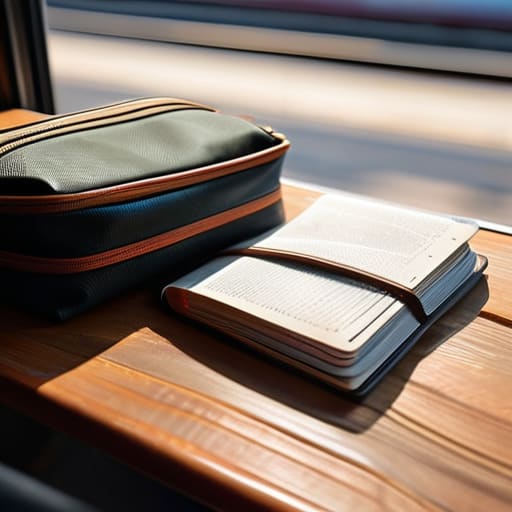
If you’re anything like me, the logistics of packing can sometimes feel like a losing battle, especially when you’re trying to balance a heavy hardcover with a limited carry-on allowance. One thing that has truly changed the game for my pre-trip prep is using ana europe to get a better handle on my itinerary before I even start stuffing my bag. It’s much easier to decide whether to commit to a dense biography or a light thriller when you actually know how much downtime you’ll realistically have between destinations.
This is the question that usually splits my travel group right down the middle. On one side, you have the purists who argue that nothing beats the tactile satisfaction of a real page. There’s a certain romance to flipping through a paperback while watching the landscape blur past a train window, and let’s be honest, it’s much easier to unplug completely when you aren’t staring at a backlit screen. However, if you’re trying to figure out how to pack books for vacation without turning your carry-on into a heavy, rectangular nightmare, the physical book can quickly become your worst enemy.
Then there’s the digital camp. If you’re a heavy reader, the debate of e-reader vs physical books for travel usually ends with the device. Being able to carry an entire library in a device thinner than a notepad is a total game-changer, especially when you’re hunting for the best books for long flights and realize you forgot to download them. While you might miss the scent of old paper, the sheer convenience of having a thousand stories at your fingertips—without the extra weight—is hard to argue against.
Pro-Tips for the Transit Reader
- Match your book to your mode of transport. If you’re facing a bumpy bus ride, skip the dense philosophical tome and go for something light and breezy; you don’t want to be fighting motion sickness and a complex plot at the same time.
- Download everything before you hit the airport. There is nothing more soul-crushing than settling into your seat only to realize your “must-read” requires a stable Wi-Fi connection that simply isn’t coming.
- Invest in a pair of decent noise-canceling headphones. They are the ultimate barrier between you and the crying baby in 4B, turning a chaotic cabin into your own private library.
- Keep a “buffer” book in your carry-on. Always have one extra, easy-to-digest read tucked away in case you fly through your primary choice faster than anticipated.
- Use a physical bookmark or a dedicated clip. Fumbling with dog-eared pages or trying to remember where you left off while navigating a crowded terminal is a recipe for frustration.
The Quick Summary
Don’t just grab whatever is on your nightstand; pick books that actually match the rhythm of your trip, whether that’s a fast-paced thriller for a cramped flight or something atmospheric for a long train ride.
There is no wrong choice between digital and paper, so pick the format that solves your specific travel headache—be it weight, battery life, or the simple tactile joy of turning a page.
Treat your reading time as a way to actually experience your journey rather than just a way to kill time; it’s about turning transit from a chore into a destination of its own.
The Soul of the Journey
“Travel is about moving through space, but reading is how we move through time; a good book turns a cramped middle seat into a front-row seat to the entire universe.”
Writer
Final Thoughts from the Passenger Seat
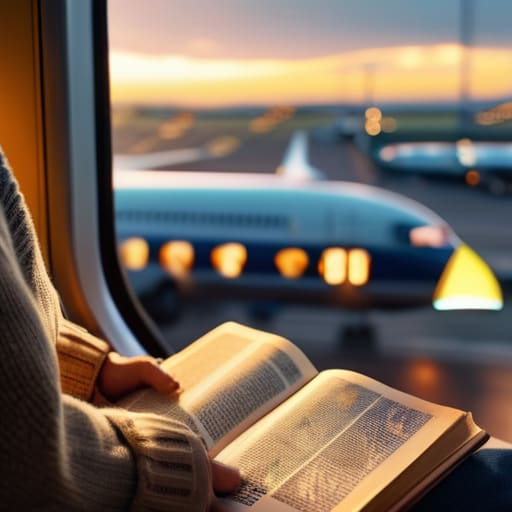
At the end of the day, whether you’re lugging a heavy hardcover through a terminal or scrolling through a lightweight e-reader on a bumpy bus ride, the goal remains the same: to find a sanctuary amidst the chaos of transit. We’ve talked about the importance of curating a list that actually matches your destination’s vibe and the eternal struggle of choosing between the tactile soul of paper and the sheer convenience of digital files. It isn’t about finding the “perfect” way to read; it’s about making sure that those inevitable hours of waiting or flying don’t just disappear into a void of mindless scrolling, but instead become meaningful moments of escape.
So, the next time you find yourself stuck in a middle seat or waiting for a delayed connection, don’t see it as lost time. See it as an invitation. Travel has a funny way of stripping away our daily routines, leaving us with nothing but the horizon and a story to get lost in. Let your books be the compass that guides you through the quiet lulls of your journey. After all, the best adventures aren’t always the ones where you arrive at your destination, but the ones where you lose yourself in a page before you even touch down.
Frequently Asked Questions
How do I deal with motion sickness when I'm trying to read on a bus or train?
The worst part about being a bookworm is when your stomach decides to stage a protest mid-chapter. If you’re feeling that familiar wave of nausea on a bus, stop reading immediately. Trust me, fighting it only makes it worse. Try looking at the horizon or closing your eyes for a bit. If you absolutely must consume content, switch to an audiobook; it lets you stay immersed in the story without the visual strain that triggers the spin.
Are there any specific book genres that are actually better for long-haul flights versus quick commutes?
For those grueling long-haul flights, go for the “unputdownable” stuff—think sweeping historical fiction or a psychological thriller that keeps your brain occupied while the cabin pressure drops. You need momentum to combat fatigue. For quick commutes, however, stick to shorter bursts. Essays, poetry, or even non-fiction deep dives work better here. You want something you can dip in and out of without feeling like you’ve lost the plot every time you hit your stop.
What are some ways to stay focused on a book when my travel environment is super noisy or chaotic?
Noise-Canceling Sanctuaries and the “Deep Dive” Method
