


I still remember the gut-punch feeling of staring at my bank statement last November, realizing that a massive chunk of my paycheck had vanished into nothing but gas, tolls, and parking fees. It felt like I was working forty hours a week just to fund my car’s existence, rather than actually living my life. Most “experts” will try to sell you on some complex, high-tech lifestyle overhaul, but let’s be real: saving on transport isn’t about buying a Tesla or mastering a complicated subway map. It’s about stopping the slow, painful leak of cash that happens every single time you turn a key or tap a transit card.
I’m not here to give you a lecture or some polished, theoretical guide that sounds good on paper but fails in the real world. Instead, I’m going to share the actual, battle-tested tactics I used to claw my money back from the clutches of my daily commute. We are going to skip the fluff and dive straight into the no-nonsense strategies that actually move the needle. If you’re ready to stop bleeding money every time you leave the driveway, let’s get to work.
Table of Contents
- Smart Commuting Strategies to Reclaim Your Monthly Budget
- Lowering Monthly Travel Expenses Without Sacrificing Your Time
- Small Tweaks That Make a Massive Dent in Your Travel Bills
- The Bottom Line: How to Stop the Bleeding
- ## The Real Cost of the Daily Grind
- The Bottom Line
- Frequently Asked Questions
Smart Commuting Strategies to Reclaim Your Monthly Budget
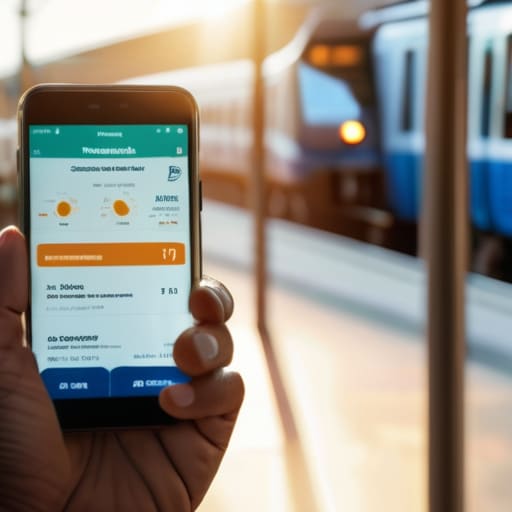
Let’s be honest: the daily grind of driving to work is a massive, invisible drain on your bank account. Most of us just accept the gas prices and parking fees as a cost of doing business, but there are way better smart commuting strategies you can use to fight back. If you can swap just two or three car days for public transit alternatives, you’ll be shocked at how much extra breathing room you suddenly have in your budget. It isn’t just about the fare; it’s about the mental freedom of not sitting in gridlock.
If a bus or train doesn’t fit your lifestyle, look into the massive carpooling benefits available in your area. Sharing the ride with a colleague or neighbor does more than just split the fuel bill; it’s one of the most effective ways of reducing vehicle depreciation since you’re putting fewer miles on your odometer. Every mile you don’t drive is a mile you aren’t paying to maintain, repair, or eventually replace. Stop letting your car eat your paycheck and start being more intentional about how you move.
Lowering Monthly Travel Expenses Without Sacrificing Your Time
Let’s be real: nobody wants to spend their entire Saturday sitting in a driveway waiting for a mechanic to finish a repair. While we often focus on gas prices, a massive hidden drain on your wallet is actually reducing vehicle depreciation. Every mile you put on your odometer lowers your car’s resale value, meaning you’re essentially paying a “usage tax” every time you drive to the grocery store. If you can shift even two or three trips a week to public transit alternatives, you aren’t just saving on fuel; you’re preserving the long-term value of your most expensive asset.
If your schedule is too tight for a bus or train, don’t just resign yourself to driving alone. Exploring carpooling benefits can be a total game-changer for your bank account without adding a single minute of extra stress to your morning. By splitting the costs of tolls and fuel with a colleague or neighbor, you’re effectively cutting your overhead in half. It’s one of those rare wins where you can achieve significant lowering of monthly travel expenses while actually making the daily grind a little more social and a lot less lonely.
Small Tweaks That Make a Massive Dent in Your Travel Bills
- Stop treating your car like an ATM. If you can bundle your errands into one single loop rather than making three separate trips, you’ll see your fuel gauge (and your bank balance) stay much healthier.
- Get real about your subscriptions. Most people are paying for monthly transit passes they only use half the time; sometimes, just loading up a “pay-as-you-go” card is way cheaper than being locked into a rigid monthly contract.
- Master the art of the “maintenance check.” It sounds boring, but keeping your tires properly inflated is one of the easiest, lowest-effort ways to squeeze more miles out of every single tank of gas.
- Stop paying for convenience you don’t need. Those premium parking lots near your destination are absolute budget killers—investing ten minutes to find a side street or a cheaper garage can save you a fortune over a month.
- Hack your driving habits. It’s not just about where you go, but how you get there. Ditch the aggressive acceleration and the heavy braking; driving like there’s an egg under your pedal actually saves a surprising amount of cash at the pump.
The Bottom Line: How to Stop the Bleeding
Stop treating your commute as a fixed cost; by mixing up your transit methods and ditching the car when possible, you can reclaim a massive chunk of your paycheck.
Small, tactical shifts—like timing your trips or hunting for hidden subscription deals—add up to hundreds of dollars in savings by the end of the year.
Saving money doesn’t have to mean losing your sanity; the goal is to find the sweet spot where your wallet stays full and your daily routine stays manageable.
## The Real Cost of the Daily Grind
“Saving on transport isn’t about switching to a bike and arriving at work drenched in sweat; it’s about realizing that every dollar you leak into a gas tank or a parking meter is a dollar stolen from your actual life.”
Writer
The Bottom Line

Beyond just tweaking your daily route, it’s worth looking at the bigger picture of how your lifestyle choices impact your wallet. Sometimes the best way to find extra breathing room in your budget is to rethink the systems you rely on every day. If you’re looking for ways to align your spending with what actually matters to you, checking out designforvalues can be a total game changer for finding that balance. It’s all about making sure your money is working toward your long-term goals rather than just disappearing into a black hole of unavoidable expenses.
At the end of the day, cutting your transport costs isn’t about making massive, sweeping lifestyle changes overnight. It’s about the small, intentional shifts—like optimizing your commute, ditching the expensive habits, and finding those hidden efficiencies in how you move from point A to point B. Whether you’re leaning into smarter public transit options or finally rethinking your car usage, every dollar you stop leaking into fuel and maintenance is a dollar that stays in your pocket. It really comes down to taking control of the small leaks before they drain your entire monthly budget.
Don’t let the sheer scale of inflation or rising fuel prices intimidate you into feeling powerless. You don’t need a complete overhaul of your life to see a real difference in your bank balance; you just need a plan of action. Start with one single change this week and watch how those incremental wins compound over time. Remember, financial freedom isn’t always about how much you earn, but about how much you keep. Now, go out there and stop letting your commute dictate your financial future.
Frequently Asked Questions
Are there any hidden fees or seasonal costs I should watch out for when switching to public transit?
Watch out for the “hidden” sting of transit: peak-hour surcharges and seasonal pass hikes. Many systems charge extra if you ride during rush hour, which can quietly eat your savings. Also, keep an eye on those annual pass renewals; prices often jump at the start of a new fiscal year. Lastly, don’t forget the small stuff—like reloading fees or the sudden need for a weather-proof commuter bag when the seasons shift.
How much can I actually save by carpooling versus just using a fuel-efficient vehicle?
It really depends on your math, but carpooling usually wins by a landslide. A fuel-efficient car is great, but you’re still footing the entire bill for gas, insurance, and that inevitable oil change. If you split costs with even one other person, you’re instantly cutting your fuel spend in half. It’s the difference between just “spending less” and actually dividing the burden. If you want maximum savings, find a ride buddy.
Is it worth investing in an e-bike if I'm trying to cut down my long-term commuting costs?
Short answer? Absolutely. If you’re looking at the long game, an e-bike is a total game-changer. You’ll kill your fuel costs and bypass those soul-crushing parking fees almost instantly. Sure, the upfront price tag stings a bit, but once you factor in the massive savings on maintenance and transit passes, the bike pays for itself surprisingly fast. It’s basically trading a monthly subscription to a car for a one-time investment in freedom.
