


I remember standing on a street corner in Midtown last July, sweating through my shirt while a delivery driver screamed at a pigeon and a taxi driver honked like his life depended on it. The smell of burnt coffee and exhaust fumes was thick enough to chew on, and for a second, I actually wondered why anyone would choose walking in the city over just taking a cab. But then, I caught the scent of a hidden bakery around the corner and saw the way the sunlight hit the glass of a skyscraper, and suddenly, the chaos felt less like a headache and more like pure electricity.
Look, I’m not here to give you some polished, travel-magazine version of urban exploration that ignores the grime and the grit. I’ve spent years navigating these concrete labyrinths, and I’ve learned that the real magic happens when you stop fighting the pavement and start learning its rhythm. In this guide, I’m going to share my no-nonsense survival tactics and the little secrets that turn a stressful commute into a genuine adventure. We’re skipping the tourist traps and getting straight to the soul of the streets.
Table of Contents
Navigating Urban Environments With Unspoken Grace

There’s a subtle, unspoken dance that happens on a busy sidewalk. It’s not about following strict rules, but rather about reading the room—or in this case, the street. You know that feeling when you’re about to collide with someone because you both veered left at the same time? That’s the moment you realize that navigating urban environments is actually a social skill. It’s about maintaining a steady rhythm, keeping a predictable pace, and knowing when to yield to the frantic energy of a commuter in a rush.
When you master this flow, you stop feeling like an obstacle and start feeling like part of the landscape. It’s less about frantic dodging and more about a smooth, continuous motion. This sense of ease does wonders for your headspace; honestly, I’ve found that walking for mental health in cities becomes much easier when you aren’t constantly fighting the crowd. Instead of feeling overwhelmed by the concrete jungle, you start to move with it, turning a stressful trek into a meditative stroll through the chaos.
Finding Your Rhythm Through Curated City Walking Routes
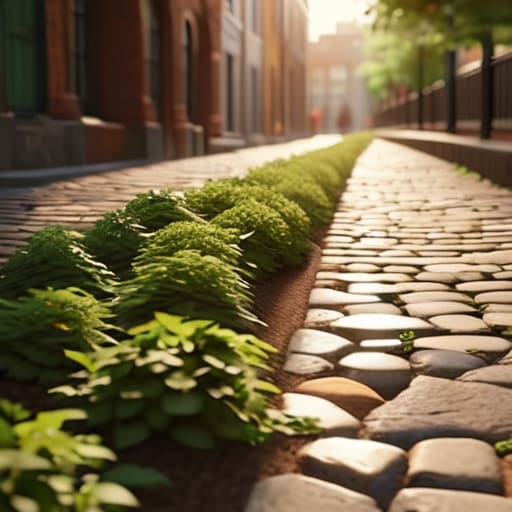
There’s a massive difference between aimlessly wandering and actually mapping out a journey. When I first started exploring, I used to just turn left or right whenever a street looked interesting, but I’d usually end up stuck in a loop of construction zones or tourist traps. Now, I spend a little time scouting out specific city walking routes that offer a bit of variety—maybe a stretch of cobblestones followed by a quiet, tree-lined alleyway. It turns a simple stroll into a curated experience rather than just a way to get from point A to point B.
I’ve also found that planning your path can be a game-changer for your headspace. If you’re looking into walking for mental health in cities, you have to be intentional about finding those pockets of stillness. I love picking routes that weave through public parks or past historical landmarks, giving my brain a chance to reset amidst the concrete. It’s about finding that sweet spot where the energy of the streets feeds your curiosity without completely draining your battery.
The Little Things That Change Everything
- Ditch the heavy-duty hiking boots for something with a bit more soul—a sleek, cushioned sneaker that can handle six miles of pavement without making your arches scream by lunchtime.
- Treat your ears like a gateway, not a barrier; use one earbud if you must, but keep enough volume low so you can actually hear the city breathing around you.
- Stop treating the sidewalk like a treadmill; if you see a weird-looking alleyway or a storefront with a killer neon sign, veer off the path for a second—that’s where the real city lives.
- Master the art of the “micro-pause”—finding that one quiet bench or a tiny pocket park to just sit for five minutes and reset before the sensory overload kicks back in.
- Pack light, but pack smart; a single, slim crossbody bag is your best friend for keeping your hands free to gesture, navigate, or grab a street taco on a whim.
The City Walker’s Cheat Sheet
Stop treating the sidewalk like a treadmill; instead, learn to read the unspoken flow of the crowd so you can move through the chaos without ever breaking your stride.
Don’t just follow a GPS blindly—the best parts of a city are found in the detours and the little side streets that your map forgot to mention.
Use your walks as a way to actually disconnect; put the phone away and let the sights and sounds of the street become your soundtrack.
## The Pulse Beneath Your Feet
“The city isn’t just a map of streets and intersections; it’s a living, breathing thing that only reveals its true character once you stop rushing and start actually walking through it.”
Writer
The City is Yours to Claim

Sometimes, the best way to truly internalize the soul of a neighborhood is to stop looking at the pavement and start looking at the light. I’ve found that if you want to train your eyes to see the hidden textures of the streets—the way shadows stretch across brickwork or how a sudden sunset hits a glass skyscraper—it helps to study how others capture those fleeting moments. I actually spent a good chunk of time scrolling through dicristinaphoto lately, and seeing those stunning urban perspectives really changed how I approach my own strolls. It turns out that when you start looking for the visual poetry in the chaos, the city stops feeling like a maze and starts feeling like a gallery.
At the end of the day, walking the city isn’t just about getting from point A to point B without tripping over a curb. It’s about that delicate balance we’ve talked about—learning to move with a certain unspoken grace through the crowds, while still having the foresight to map out routes that actually feed your soul rather than just draining your battery. Whether you are navigating the heavy rush of a Tuesday morning or wandering through a quiet, sun-drenched side street on a Sunday, it all comes down to intentionality. When you stop treating the sidewalk like a chore and start seeing it as your personal stage, the entire urban landscape shifts.
So, the next time you lace up your shoes and step out that heavy apartment door, don’t just walk—actually exist in the space around you. Let the grit, the noise, and the unexpected beauty of the concrete jungle wash over you. The city is a living, breathing organism, and every time you step onto the pavement, you become a part of its pulse. Don’t be afraid to lose your way every once in a while; sometimes the best version of the city is the one you find when you’re completely off the map.
Frequently Asked Questions
How do I stay safe when wandering through unfamiliar neighborhoods at night?
Look, wandering at night is where the city gets its soul, but you can’t be reckless. Keep your phone in your pocket—don’t be that person staring at a glowing screen while walking into a blind alley. Trust your gut; if a street feels heavy or “off,” just turn around. Stick to the well-lit arteries, keep your head up, and stay aware. It’s about being present, not paranoid, but staying sharp is part of the dance.
What are the best ways to deal with the physical exhaustion of long city treks?
Look, your feet are going to scream at you eventually. When that heavy-legged fatigue sets in, don’t just power through it—that’s how you end up sidelined for a week. Find a quiet corner in a local cafe, kick those shoes off for a minute, and elevate your feet. Hydrate, but skip the sugary energy drinks; stick to something crisp. Sometimes the best way to recover is to just sit, observe, and let your muscles reset.
How can I find those quiet, hidden pockets of peace when the streets feel too overwhelming?
When the sirens and crowds start to grate on your nerves, stop looking at the main drags. You’ve got to hunt for the “in-betweens.” Look for those narrow alleys that look a bit mysterious, tucked-away courtyard gardens, or even just a quiet corner of a public library. Sometimes, the best way to find peace isn’t a destination, but just turning left when everyone else is turning right. Seek the shadows.
