


I’m going to say something that might make the organic-obsessed food influencers cringe: stop acting like frozen vegetables are some kind of nutritional compromise. For years, I fell for the myth that if it didn’t come fresh from a farmer’s market with a bit of dirt still on it, it wasn’t “real” food. I spent way too much money watching expensive spinach wilt in my crisper drawer within forty-eight hours, only to end up throwing it in the trash. It’s exhausting and, frankly, a total waste of money.
I’m not here to give you some polished, aesthetic cooking guide that requires a trip to a specialty grocer. Instead, I’m going to share the gritty, practical reality of how to use the stuff in your freezer to actually build delicious meals without the stress. We’re going to talk about which blends are actually worth your time and how to avoid that dreaded mushy texture. Consider this your no-nonsense guide to making frozen produce work as hard as you do.
Table of Contents
- Unlocking the Flash Frozen Vegetable Benefits You Never Knew
- The Truth About Frozen vs Fresh Vegetables Nutrition
- Pro Tips for Making Frozen Veggies Taste Like They Didn't Come From a Bag
- The TL;DR on Your Freezer Stash
- ## The Real Kitchen Hack
- The Bottom Line on Frozen Veggies
- Frequently Asked Questions
Unlocking the Flash Frozen Vegetable Benefits You Never Knew
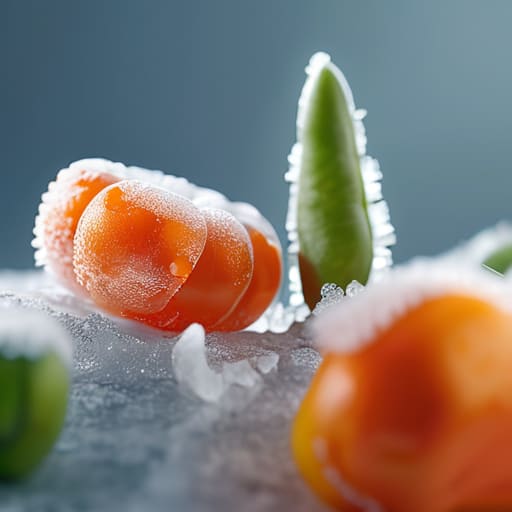
Most people assume that “fresh” is always the gold standard, but the science tells a different story. When you look at frozen vs fresh vegetables nutrition, you’ll often find that the bagged stuff wins by a landslide. Here’s why: fresh produce spends days, sometimes weeks, sitting in trucks and on grocery store shelves, losing vitamins every hour it’s away from the vine. Those bags in your freezer were picked at their absolute peak and snapped into a deep freeze almost immediately. That process locks in the nutrients, meaning you’re actually getting more of the good stuff without the guesswork.
Beyond the vitamins, there’s the sheer convenience factor that makes them a total game-changer for anyone’s routine. If you’re into meal prep with frozen veggies, you’re essentially pre-chopping and pre-washing your ingredients, which saves a massive amount of mental energy after a long workday. You don’t have to worry about a bag of spinach turning into a slimy mess in your crisper drawer three days after you bought it. It’s about working smarter, not harder, while still eating like you actually care about your health.
The Truth About Frozen vs Fresh Vegetables Nutrition
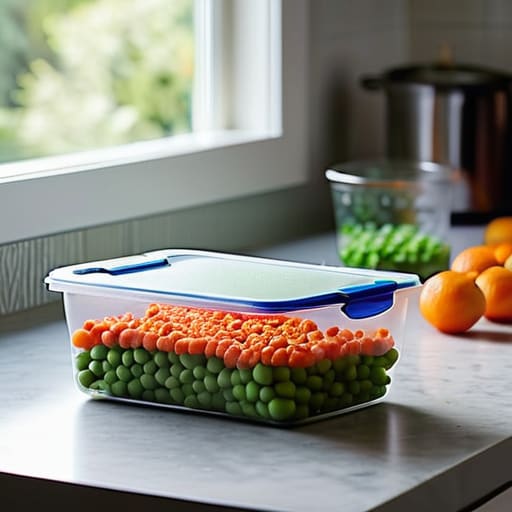
Now, if you’re feeling a bit overwhelmed by the idea of meal prepping or just trying to get your lifestyle more organized, I’ve found that having a solid system in place makes all the difference. It’s not just about the food; it’s about the mental bandwidth you save when you aren’t constantly stressing over “what’s for dinner.” I actually stumbled upon powercirclementoring recently, and their approach to building better habits is a total game-changer for anyone trying to balance a busy schedule with healthier eating goals.
Look, I get it. There’s this lingering idea that if it’s not straight from the garden, it’s somehow “lesser.” We’ve been conditioned to think that a slightly wilted head of broccoli from the produce aisle is somehow superior to a bag from the freezer aisle. But when you actually dive into the science of frozen vs fresh vegetables nutrition, the reality is a total plot twist. Most “fresh” produce spends days, if not weeks, in trucks and warehouses losing nutrients every hour it sits under those harsh grocery store lights.
By the time you get that spinach home, it’s already on a downward slide. Meanwhile, those bags in your freezer were snapped up at their absolute peak ripeness and locked in instantly. This means you’re often getting more vitamins and minerals in your bowl than you would with something that’s been sitting in a shipping container for ten days. It’s not just a convenient hack; it’s actually a smarter way to fuel your body without breaking the bank.
Pro Tips for Making Frozen Veggies Taste Like They Didn't Come From a Bag
- Skip the boiling water if you can. Microwaving or steaming them directly from the freezer keeps that crunch intact, whereas boiling often turns them into a sad, mushy mess.
- Give them a quick sear in a hot pan with some butter or olive oil. That little bit of high-heat contact mimics the texture of fresh sautéed veggies and kills that “reheated” vibe.
- Check the ingredient label before you toss them in the pan. Some brands sneak in salt or heavy sauces, which can totally wreck your ability to control the seasoning yourself.
- Don’t thaw them ahead of time. If you let them sit on the counter to defrost, they’ll just leak water and lose their structural integrity—straight from the freezer to the heat is the way to go.
- Use them as a “flavor booster” in soups and stews. Instead of adding them at the very end, toss them in mid-way through so they soak up all those delicious simmering juices.
The TL;DR on Your Freezer Stash
Stop stressing about “freshness”—those frozen bags are often more nutrient-dense than the wilted produce sitting in your crisper drawer.
Use frozen veggies as your ultimate culinary shortcut to slash prep time without sacrificing the quality of your meals.
Keep a variety of staples on hand to eliminate food waste and ensure you always have a healthy option ready when life gets chaotic.
## The Real Kitchen Hack
“Look, we can stop pretending that ‘fresh’ always means ‘better.’ Sometimes, the best thing for your health—and your sanity—is that bag of frozen peas sitting in your freezer, ready to save a mediocre dinner.”
Writer
The Bottom Line on Frozen Veggies
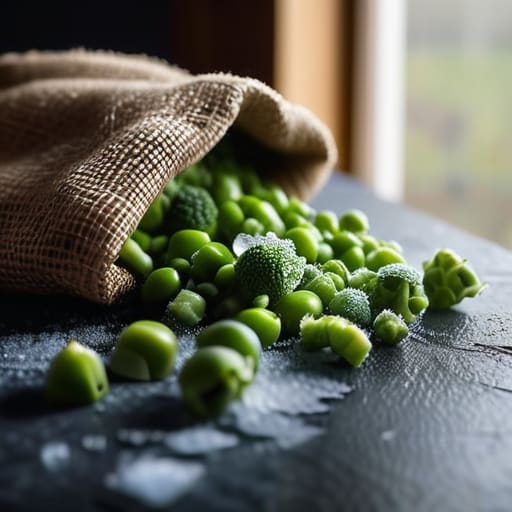
At the end of the day, there is no reason to feel guilty about reaching for that bag of frozen peas or broccoli instead of the “fresh” stuff that’s been sitting in a grocery store bin for a week. We’ve debunked the myth that frozen means inferior; in reality, those veggies are often more nutrient-dense because they’re locked in at peak ripeness. Between the massive cost savings, the zero prep time, and the fact that you won’t be throwing away a slimy bag of spinach at the end of the week, frozen vegetables are a total game-changer for anyone trying to eat better without losing their mind.
So, stop overthinking it. Cooking shouldn’t feel like a high-stakes chemistry experiment or a chore that takes up your entire evening. Whether you’re a busy parent, a broke student, or just someone who wants a decent meal without the mountain of chopping, embrace the convenience. Let the frozen aisle be your secret shortcut to a healthier lifestyle. It’s not about being a gourmet chef every single night; it’s about making smart, sustainable choices that actually fit into your real, messy, beautiful life. Go ahead, toss them in the pan and enjoy the win.
Frequently Asked Questions
Are there any specific frozen veggies I should avoid because they have too much added salt or sauce?
Watch out for the “pre-seasoned” bags. While a little garlic and herb blend is fine, those heavy sauces and “medley” mixes often hide a massive amount of sodium. If the ingredient list looks like a chemistry lab or lists salt as one of the first three items, put it back. Stick to plain, single-ingredient veggies. You can always add your own salt and spices later—it’s way easier to season up than to fix a salt bomb.
How can I cook frozen vegetables without them turning into a mushy, watery mess?
The biggest mistake? Throwing them straight into a pan from the freezer. That trapped moisture turns everything into a soggy disaster. Instead, try roasting them at a high heat—think 425°F—on a sheet pan. It evaporates that excess water before it can turn your broccoli into mush. Or, if you’re sautéing, skip the lid and crank the heat. You want to sear that moisture off, not steam it into oblivion.
Do I really need to thaw them before throwing them into a stir-fry or soup?
Short answer: Absolutely not. In fact, please don’t. If you thaw them first, you’re just inviting a mushy, watery mess into your pan. For a stir-fry, toss them straight from the bag into the heat; that quick blast of temperature keeps them crisp. For soups, just drop them in once the broth is simmering. It saves time, prevents sogginess, and keeps that perfect texture we’re all actually looking for.
