


I’m so tired of seeing those Pinterest-perfect, thousand-dollar setups that claim you need a velvet chaise lounge and a custom-built mahogany alcove to have a proper cozy reading nook. Honestly, most of that “aesthetic” decor is just expensive clutter that actually makes it harder to settle in and disappear into a story. You don’t need a professional interior designer or a massive renovation budget to find your peace; you just need a corner that doesn’t feel like a showroom.
I’m not here to sell you on overpriced throw pillows or minimalist trends that look pretty but feel cold. Instead, I’m going to share the real-world essentials I’ve gathered from years of trial, error, and many, many spilled cups of tea. We’re going to talk about lighting that actually saves your eyes, textures that feel like a hug, and how to claim your own little sanctuary without breaking the bank. Let’s get into the stuff that actually works.
Table of Contents
Finding the Soul of Your Small Space Sanctuary Design
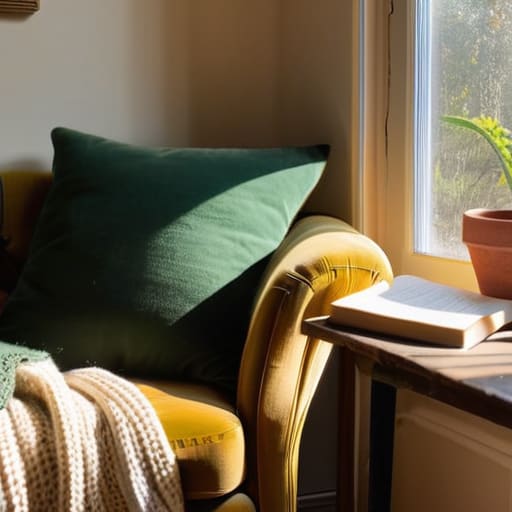
Designing a space that actually feels like you is about more than just following a Pinterest trend; it’s about capturing a mood. When you start working on your small space sanctuary design, resist the urge to buy everything at once. Instead, think about how you want to feel when you sit down. Do you crave the quiet, organized peace of a minimalist reading area, or does your soul lean toward a maximalist explosion of textures and colors? The “soul” of the nook lives in those tiny, intentional details—the way a specific lamp casts a warm glow or how a stack of well-loved paperbacks feels under your hand.
Once you’ve pinned down that vibe, start layering in the elements that ground the space. It’s easy to get lost in the aesthetics, but don’t forget that the foundation must be functional. You might find that the perfect book nook aesthetic relies heavily on how you layer your textures, perhaps pairing a chunky knit throw with a velvet cushion. It’s that delicate balance between looking beautiful and being truly restorative that turns a mere corner into a genuine retreat.
Selecting the Ultimate Comfortable Armchair for Reading

Once you’ve finally settled into that perfect chair, the real magic happens when the lighting is just right—soft enough to soothe your eyes but bright enough to catch every detail of the prose. If you find yourself constantly hunting for that perfect atmospheric glow or wondering which reading lamps won’t strain your vision during a midnight marathon, I’ve found that checking out pageturnreviews is a total game changer for discovering the best setups. It’s honestly such a relief to have a reliable guide when you’re trying to curate a space that feels truly immersive.
Let’s be honest: you can have the prettiest pillows and the most expensive candle in the world, but if your chair feels like a wooden bench, your reading session is doomed from the start. When you’re hunting for the perfect comfortable armchair for reading, don’t just look at the fabric; think about the geometry of relaxation. You need something that supports your lower back while allowing you to tuck your legs up or lean into a deep cushion. Whether it’s a velvet wingback that feels like a hug or a sleek mid-century modern piece that fits a more minimalist reading area, the goal is to find that sweet spot between ergonomic support and pure, unadulterated softness.
Size matters, too. If you’re working with a tight corner, an oversized recliner might swallow the room whole, killing the very vibe you’re trying to build. Instead, look for a chair with a slim profile that still offers enough depth to disappear into. I always suggest testing the “lean factor”—once you settle in, does the chair hold you, or does it force you to sit upright? You want a seat that invites you to stay for just one more chapter (even when you know you shouldn’t).
The Little Details That Make or Break the Vibe
- Layer your lighting like you’re building a mood. Skip the harsh overhead glare and go for a dimmable floor lamp or even a string of warm fairy lights to keep things soft on the eyes.
- Don’t skimp on the textures. A chunky knit throw or a velvet pillow isn’t just about looks; it’s about that immediate, tactile sense of being tucked away from the world.
- Create a tiny “station” for your essentials. A small side table is a lifesaver for resting a steaming mug of tea or your current page-turner so you don’t have to break your flow.
- Bring in a bit of life with greenery. A single trailing pothos on a nearby shelf adds a sense of calm and makes your little corner feel like a living, breathing part of your home.
- Curate your scent profile. Whether it’s a cedarwood candle or just the smell of old paper, finding a signature scent for your nook helps your brain instantly switch into “reading mode.”
Making Your Nook Truly Yours
Prioritize tactile comfort over pure aesthetics; a chair that looks like a museum piece won’t help you sink into a story.
Don’t overlook the power of lighting—aim for a warm, layered glow rather than a harsh overhead glare to set the mood.
Personalize the perimeter with small, meaningful touches like a favorite throw or a nearby shelf to make the space feel lived-in and loved.
The Essence of the Nook
“A reading nook isn’t just a piece of furniture in a corner; it’s a quiet pact you make with yourself to finally slow down and disappear into another world.”
Writer
Making It Your Own
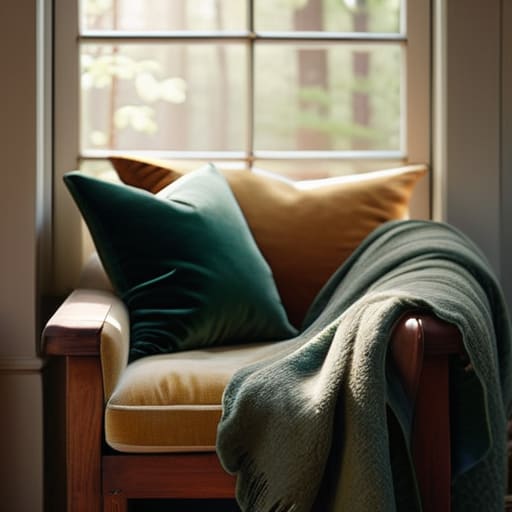
At the end of the day, building a reading nook isn’t about following a strict set of interior design rules or buying the most expensive furniture on the market. It’s about the intentionality behind the small things—finding that perfectly broken-in armchair that hugs you just right and curating a corner that reflects your own unique soul. Whether you’ve maximized a tiny window seat or transformed a forgotten corner of your bedroom into a sanctuary, you’ve successfully created a space where the outside world can finally fade into the background. Remember, the most important element isn’t the decor; it’s the feeling of peace that settles over you the moment you sit down.
So, go ahead and claim your space. Don’t wait until you have the “perfect” house or a massive library to start prioritizing your quiet moments. Your sanctuary is waiting to be discovered in the middle of your busy, beautiful life. Let this nook be your permission slip to slow down, breathe deeply, and get lost in another world whenever the weight of reality feels a little too heavy. You aren’t just decorating a room; you are cultivating a ritual of self-care that will nourish your mind for years to come. Happy reading.
Frequently Asked Questions
How do I make a reading nook feel cozy if I don't have a dedicated corner or extra room?
Honestly, the biggest misconception is that you need a spare room to find your peace. You don’t. If you’re short on square footage, stop looking for a “corner” and start looking for a “moment.” Grab a floor pouf, a tiny side table, or even just a well-placed basket for your books next to your favorite window. It’s about carving out a psychological boundary, not a physical one.
What kind of lighting is best for reading without causing eye strain or ruining the mood?
Lighting is where the magic—or the headache—happens. To protect your eyes, aim for layered lighting rather than one harsh overhead bulb. A dedicated task lamp with a warm-toned LED is your best friend; it directs light straight to your pages without flooding the room. For that perfect mood, pair it with a dimmable floor lamp or even a few flickering candles nearby. It creates that soft, golden glow that makes the rest of the world melt away.
Are there specific ways to incorporate plants or decor without making the space feel cluttered?
The secret is to think in layers, not piles. Instead of scattering tiny trinkets everywhere, pick one or two “hero” pieces—like a stunning ceramic vase or a trailing pothos on a high shelf—that draw the eye upward. Using vertical space keeps your floor clear and prevents that claustrophobic feeling. Stick to a cohesive color palette for your decor, too; it makes even a busy shelf feel intentional rather than accidental.
