


You know that sinking feeling in your gut when you walk out to the parking lot and see it? That fresh, jagged crease in your door that definitely wasn’t there yesterday. Most shops will try to tell you that you need a full panel replacement or a week-long stay in a body shop to fix it, but honestly, that’s usually just a fast track to emptying your wallet. I’ve spent way too many hours staring at metal, learning exactly when a ding is a minor nuisance and when it actually requires professional car dent repair. You don’t always need a massive invoice to get your ride looking sharp again; sometimes, you just need the right approach.
I’m not here to sell you on some overpriced, high-tech magic trick that doesn’t work. Instead, I’m going to give you the straight truth based on what I’ve seen on the ground. We’re going to break down the real difference between PDR and traditional methods so you can make an informed decision without the fluff. Consider this your no-nonsense guide to getting those dents out without getting ripped off.
Table of Contents
The Magic of Paintless Dent Removal Techniques
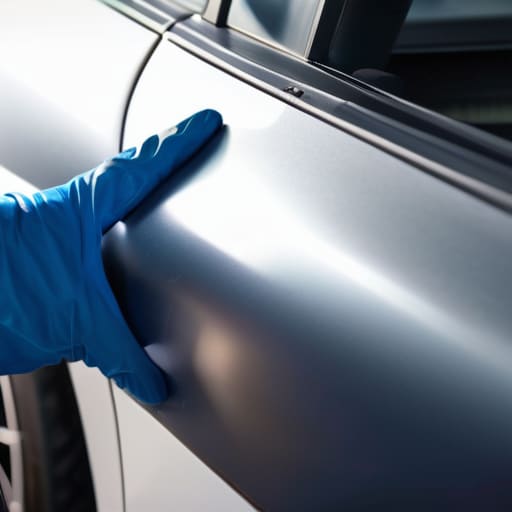
If you’ve ever stared at a small, annoying crease in your door and thought, “I’m going to have to pay a fortune for this,” I have some great news. You probably don’t need a full body shop overhaul. This is where paintless dent removal techniques truly shine. Instead of the old-school method of sanding down your car’s finish and applying new layers of filler, technicians use specialized rods and tension tools to gently massage the metal back into its original shape from behind the panel. It’s almost like magic, but it’s actually just incredibly precise physics.
The best part? It’s a game-changer for your wallet. When you’re fixing minor car dings, this method is significantly faster and much more affordable than traditional bodywork. Because we aren’t messing with the factory paint, there’s zero risk of color mismatch or texture issues. You get a seamless finish that looks like the damage never even happened, saving you both time and a massive headache. It’s easily the smartest way to keep your ride looking sharp without breaking the bank.
Fixing Minor Car Dings on a Budget
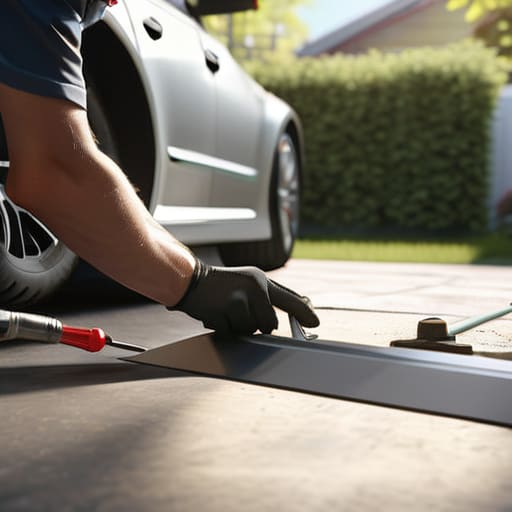
Let’s be real: nobody wants to drop a small fortune just because a shopping cart decided to play bumper cars with your door. If you’re dealing with those annoying little shallow depressions, you don’t necessarily need to visit a high-end shop. There are plenty of DIY car dent removal tools available online—everything from suction cups to glue puller kits—that can help you tackle the job in your own driveway. It’s a bit of a learning curve, sure, but for a tiny nick, it can save you a massive headache.
However, there is a fine line between a weekend project and making things worse. If the metal is creased or the paint is actually cracking, trying to force it back yourself might lead to a much higher cost of auto body repair down the road. At that point, you’re moving past simple DIY territory and into the realm of needing professional collision repair services. If the damage looks deeper than a fingernail, it’s usually smarter to call in the pros rather than risking a permanent scar on your finish.
Pro Moves to Save Your Paint and Your Wallet
- Don’t play hero with a plunger; unless it’s a massive, shallow dent on a flat panel, DIY suction tools usually just stretch the metal and make the repair way more expensive later.
- Check your clear coat before you panic; if the paint is already cracked or flaking around the dent, you’re looking at a body shop job rather than a quick paintless fix.
- Timing is everything with temperature; if you’re trying a DIY heat method, don’t blast it with a hairdryer for too long or you’ll cook the paint right off the panel.
- Always snap a few photos from different angles before calling a pro; it helps the technician give you a real estimate over the phone so you aren’t blindsided by the bill.
- Keep your eyes peeled for “creased” dents; if the metal has a sharp fold in it rather than a smooth curve, skip the easy fixes and head straight to a specialist.
Quick Tips to Keep Your Car Looking Sharp
Don’t wait too long to address a dent; catching small dings early usually means cheaper, easier repairs before the metal gets stressed or the paint cracks.
Always weigh your options between PDR (Paintless Dent Removal) and traditional bodywork—PDR is your best friend for saving both time and money on minor imperfections.
If you’re tackling a DIY fix, be realistic about what you can actually achieve; some dents are simple enough for a home kit, but others need a pro touch to avoid making things worse.
## The Real Cost of Ignoring a Ding
“A tiny dent might seem like a minor annoyance today, but ignoring it is just letting your car’s value leak out one scratch at a time.”
Writer
Final Thoughts on Getting Your Shine Back
Of course, if you’re feeling a bit overwhelmed by all the different repair options and aren’t sure which route to take for your specific damage, it helps to do a little extra digging before you commit to a shop. I’ve found that checking out resources like earninginprogress can be a total lifesaver when you’re trying to weigh your costs against the quality of work you’re actually going to get. Taking that extra ten minutes to get informed now can save you a massive headache—and a lot of wasted cash—down the road.
At the end of the day, dealing with a dent doesn’t have to be a massive headache or a total drain on your bank account. We’ve looked at how the wizardry of paintless dent removal can save your factory finish, and how a few smart, budget-friendly DIY moves can tackle those tiny nuisances before they become big problems. Whether you decide to grab a plunger and some hot water or call in the pros for a more serious crease, the goal is the same: stopping the damage from spreading and keeping your vehicle looking its best. Don’t let a single mishap leave you feeling discouraged about your car’s value; there is almost always a smart solution waiting around the corner.
Your car is more than just a way to get from point A to point B; it’s an investment and, let’s face it, a reflection of how you take care of your things. A dent might feel like a permanent scar on your pride right now, but it’s really just a temporary setback. Take a breath, assess the damage, and choose the path that fits your lifestyle and your wallet. Once that metal is smooth and the reflection is clear again, you’ll realize that getting your ride back to perfection is well worth the effort. Now, go out there and get that car looking brand new again!
Frequently Asked Questions
How long does it actually take to get a dent fixed?
So, the million-dollar question: how long are you actually going to be without your car? Honestly, it depends on the damage, but most minor dings handled via paintless dent removal are done in a single afternoon. If we’re talking something more substantial—like a door crease that needs actual paintwork—you might be looking at a few days. Just don’t expect it to take weeks; we’re all about getting you back on the road fast.
Will repairing the dent affect my car's resale value?
Actually, it’s the exact opposite. Leaving a dent hanging around is what kills your resale value. Buyers see a ding and immediately think, “What else did they neglect?” It makes the whole car look poorly maintained. Getting it fixed—especially with a clean, professional job—shows you actually care about the vehicle. A smooth, dent-free body is a huge selling point that helps you hold onto that premium price tag when it’s time to move on.
Is it worth paying for professional repair if the dent is really small?
Honestly? It depends on your perfectionism and your resale plans. If it’s just a tiny eyesore that bugs you every time you walk up to your car, go for the pro. They can make it vanish without ruining your factory paint. But if you’re just driving it into the ground and don’t care about a little character, save your cash. Just don’t try the “boiling water” DIY hacks—you might end up making it worse.
