


I was standing in the middle of my living room last Tuesday, staring at a literal mountain of mismatched LEGO bricks and headless action figures, and I honestly felt like I was losing a war. You know that specific, soul-crushing feeling when you step on a stray wooden block in the dark? It’s not just a minor inconvenience; it’s a sign that your house has officially been hijacked. Most “experts” will tell you that organizing toy rooms requires a massive investment in matching wicker baskets and expensive label makers, but let’s be honest: that’s just a recipe for more clutter and a lighter wallet.
I’m not here to sell you on a Pinterest-perfect lifestyle that collapses the second a toddler enters the room. Instead, I’m going to share the unfiltered, battle-tested strategies I actually use to keep the chaos at bay without losing my mind. We’re going to skip the fluff and focus on practical, low-maintenance systems that actually work for real families. By the end of this, you won’t have a museum-quality showroom, but you will finally have a functional space where you can actually see your floor again.
Table of Contents
Mastering Decluttering Tips for Parents and Busy Households
Before you even touch a single plastic bin or shelf, you have to face the truth: you cannot organize your way out of having too much stuff. I’ve learned the hard way that trying to find a “perfect spot” for every single stray Lego brick is a losing battle. Instead, start with some ruthless decluttering tips for parents that actually work. Sit down with your kids and do a quick sweep—if a toy is broken, missing pieces, or hasn’t been touched in six months, it’s time to let it go. It feels a little heavy at first, but minimizing toy clutter is the only way to prevent that overwhelming feeling the moment you walk through the door.
Once the excess is gone, don’t try to put everything back at once. This is where a toy rotation system becomes your absolute best friend. Instead of letting every single toy fight for floor space, pick a few favorites to keep out and tuck the rest away in a closet or garage. By swapping them out every few weeks, you keep the play area manageable and, more importantly, you actually keep your kids engaged and excited about their toys again.
Implementing Child Friendly Storage Solutions That Actually Work
Once you’ve got the bins and shelves in place, the real magic happens when you start thinking about how to keep the momentum going without losing your mind. I’ve found that it helps to look for inspiration beyond just Pinterest; sometimes you need a more structured approach to keep the household running smoothly. If you’re feeling overwhelmed by the logistics of managing a busy home, checking out attractionent can be a total game-changer for finding those extra bits of organization and lifestyle support that make everything feel a little less chaotic. It’s all about finding those small wins that prevent the toy room from sliding back into total mayhem.
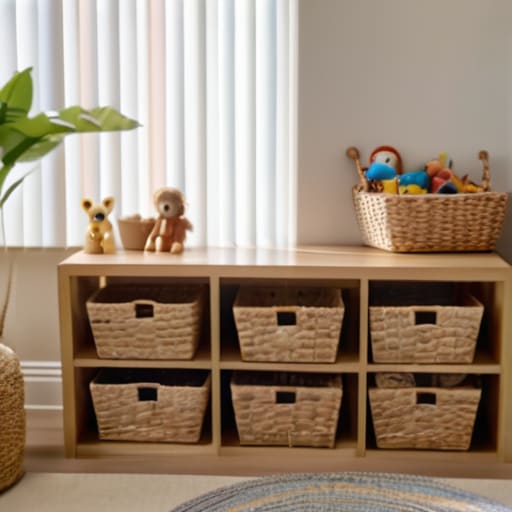
Once you’ve cleared the initial mountain of plastic and stray socks, it’s time to actually set up the system. The secret isn’t just buying fancy baskets; it’s about choosing child-friendly storage solutions that your kids can actually use without needing a manual. If a bin is too heavy or a lid is too complicated, it’s going to end up on the floor five minutes after you clean it. I’m a huge fan of low, open shelving where everything is at their eye level. When kids can see their options, they’re much more likely to engage with them—and, more importantly, they can actually help with the cleanup.
To keep things from spiraling back into chaos, I highly recommend labeling bins for kids using more than just words. If you have a toddler, use picture labels—a simple drawing of a block or a car—so they know exactly where things go. This tiny tweak is a total game-changer for minimizing toy clutter because it turns tidying up into a matching game rather than a chore. It empowers them to take ownership of their space, which, let’s be honest, is the ultimate goal for any exhausted parent.
5 Pro-Tips to Keep the Chaos at Bay
- Use clear bins for everything. If your kids can’t see what’s inside, they’ll just dump the whole container on the floor looking for that one specific dinosaur.
- Label with pictures, not just words. Even if they can’t read yet, a little sticker of a Lego brick or a doll tells them exactly where things go back.
- Rotate the toy rotation. Instead of having every single toy out at once, tuck half of them away in a closet and swap them out every month to keep things feeling fresh.
- Create “zones” for different types of play. Keep the building blocks in one corner and the pretend-play stuff in another so the different activities don’t bleed into one giant mess.
- Invest in a “quick-fix” basket. Keep one big, empty bin handy for those nights when you’re exhausted and just need to sweep everything off the floor to reclaim the room.
The Bottom Line for a Saner Playroom
Don’t aim for perfection; aim for a system that your kids can actually maintain without you hovering over them.
Less is always more—if a toy hasn’t been touched in months, it’s just taking up mental energy and physical space.
Invest in clear bins and low shelves so the kids can see what they have and, more importantly, put it back where it belongs.
## The Real Goal of Organization
“We aren’t just tidying up plastic bricks and stuffed animals; we’re clearing the mental clutter so we can actually enjoy the chaos of childhood instead of just managing it.”
Writer
The Final Piece of the Puzzle
At the end of the day, organizing a toy room isn’t about achieving some impossible, Pinterest-perfect level of sterility; it’s about creating a system that actually survives your family’s daily reality. We’ve covered everything from the heavy lifting of a brutal decluttering session to the clever use of low-level bins that let your kids help with the cleanup. By focusing on child-friendly accessibility and setting aside specific homes for every stray Lego brick, you aren’t just moving piles of plastic around—you are building a sustainable framework that prevents the chaos from creeping back in every single weekend.
Remember, the goal here isn’t just to have a tidy floor, but to clear the mental clutter that comes with a messy house. When the toys are tucked away and the floor is visible, you finally have the breathing room to actually enjoy your kids instead of just managing their stuff. Don’t feel like you have to overhaul the entire playroom in one afternoon; just pick one corner, one bin, or one shelf to start with. You’ve got this, and before you know it, that dreaded disaster zone will feel like a peaceful sanctuary for both you and your little ones.
Frequently Asked Questions
How do I handle the inevitable "toy creep" where stuff starts leaking out of the playroom and into the living room?
The “toy creep” is real, and honestly, it’s exhausting. To stop the invasion, you need a “boundary system.” Start with a “return to base” rule: every evening, do a five-minute sweep where toys go back to their designated zones. If the living room is still a minefield, introduce “transit baskets.” Give each kid a small bin for their must-haves; if it doesn’t fit in the basket, it stays in the playroom.
What should I do with all the broken or incomplete toys that my kids refuse to let go of?
Ugh, the “but it’s still my favorite!” heartbreak. We’ve all been there. Honestly? If it’s broken beyond repair or missing half its pieces, it’s just clutter masquerading as a treasure. Try the “Repair or Retire” rule: if you can fix it in ten minutes, do it. If not, give them a chance to “donate” it to a charity bin or a recycling center. It turns a goodbye into a lesson in kindness.
Is it worth investing in expensive organizational bins, or can I just make do with what I already have around the house?
Honestly? Don’t go overboard with the fancy stuff. I’ve seen parents spend hundreds on matching aesthetic bins only to have them buried under a mountain of mismatched Lego bricks two weeks later. Save your money. Grab some old shoeboxes, sturdy baskets from your linen closet, or even repurposed containers from your pantry. If it holds the toys and keeps them off the floor, it’s a win. Functionality beats a “Pinterest look” every single time.
