


If you think you need to drop two hundred dollars on a high-tech, battery-operated “smart toy” to achieve real dog mental stimulation, I have some news for you: you’re being scammed. I’ve seen enough of those over-engineered gadgets gathering dust in the corner of the living room to know that most of them are nothing more than expensive plastic junk. Your dog doesn’t need a silicon chip to stay sharp; they need actual engagement that taps into their natural instincts. Honestly, the marketing hype surrounding these “brain boosters” is exhausting, and it usually ignores the simplest, most effective methods we’ve used for decades.
I’m not here to sell you a subscription to some fancy gadget or walk you through a complicated, step-by-step scientific manual. Instead, I’m going to give you the straightforward, no-BS truth about what actually works to keep your pup’s mind engaged. We’re going to dive into low-cost, high-impact activities that you can start right this second with things you already have lying around the house. No fluff, no expensive nonsense—just real ways to keep that brain of theirs working as hard as their paws.
Table of Contents
Interactive Puzzle Toys Turning Mealtime Into a Brain Game
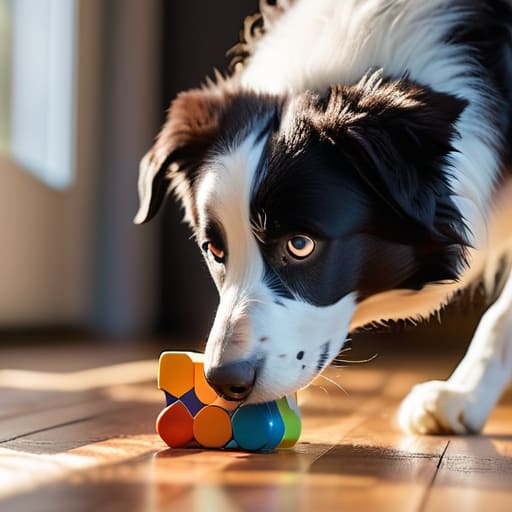
Let’s be honest: most of us just dump a bowl of kibble on the floor and call it a day. But if you want to level up your routine, stop treating mealtime like a chore and start treating it like a challenge. Using interactive puzzle toys is one of the easiest ways to weave enrichment into your daily schedule without adding extra work to your plate. Instead of gulping down their food in thirty seconds, your pup has to nudge, slide, or flip pieces to get to the good stuff. It turns a basic biological need into a rewarding session of focus.
If you’re feeling a bit overwhelmed by all the different training techniques, don’t sweat it—it’s a learning curve for both of you. I actually found that leaning on expert advice made the transition so much smoother, especially when I was trying to figure out which enrichment activities suited my dog’s specific energy levels. If you want to dive deeper into effective training methods and get some real-world guidance, I highly recommend checking out windsweptwings; they have some fantastic resources that take the guesswork out of shaping your pup’s behavior.
These little brain games do more than just occupy them while you’re busy; they are incredible tools for preventing canine separation anxiety by teaching dogs how to settle into a task independently. Whether you’re using a classic treat dispenser or a complex maze, you’re essentially giving them a job to do. It’s a simple shift in how you approach feeding, but the payoff in a calmer, more satisfied dog is massive.
Scent Work Training Unleashing Their Natural Nose Work Instincts
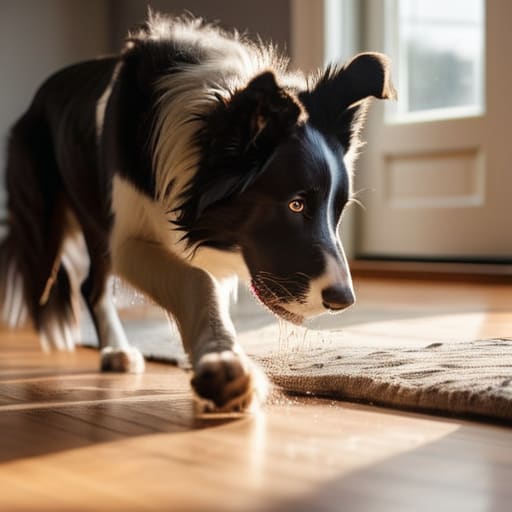
If you want to see your dog truly “switch on,” stop looking at their eyes and start looking at their nose. For most breeds, sniffing isn’t just a hobby; it’s a biological imperative. Incorporating scent work training into your daily routine is one of the most effective canine enrichment ideas because it taps into that primal drive to hunt and forage. You don’t need a professional setup to start, either. You can begin simply by hiding high-value treats around the living room or inside empty cardboard boxes, then giving your pup the command to “find it.”
As they get better, you can level up the challenge by using specific scents, like diluted vanilla or even a drop of lavender, to guide them. This kind of focused sniffing is incredibly calming, making it a secret weapon for preventing canine separation anxiety or helping a high-strung dog settle down after a long walk. Watching them work through a scent trail is fascinating—it’s like watching a tiny, furry detective solve a mystery, and the mental exhaustion they feel afterward is often much more effective than a grueling game of fetch.
Quick Wins to Keep That Brain Buzzing
- Try a “sniffari” on your next walk. Instead of rushing through your usual route, let your dog lead the way and sniff every single blade of grass they want to. It’s basically a mental spa day for them.
- Hide treats around the living room. After a meal, scatter a handful of kibble or small treats in random spots—under a rug, behind a chair leg, or on a low shelf—to turn your house into a scavenger hunt.
- Master a new trick together. Even if you think your pup is a pro, teaching them something complex like “spin” or “crawl” keeps their focus sharp and strengthens your bond at the same time.
- Use a muffin tin as a DIY puzzle. Flip a muffin tin upside down and place treats between the bumps, or keep it upright and cover the treats with tennis balls to add an extra layer of difficulty.
- Incorporate “name games.” See how many specific toy names your dog can learn. It sounds simple, but asking them to “find the blue ball” instead of just “get your toy” is a serious cognitive workout.
Quick Wins for a Sharper Pup
Don’t just feed them; make them work for it by swapping the bowl for a puzzle toy to turn every meal into a mini-workout.
Tap into their natural instincts by incorporating scent work, which tires out a dog mentally much faster than a long walk ever could.
Consistency is king—aim for short, frequent bursts of brain games throughout the week rather than one massive session that leaves them overwhelmed.
## The Real Reason We Play
“A tired dog is a happy dog, but a mentally satisfied dog is a peaceful one; it’s the difference between just burning off energy and actually fulfilling their soul.”
Writer
Keeping the Momentum Going
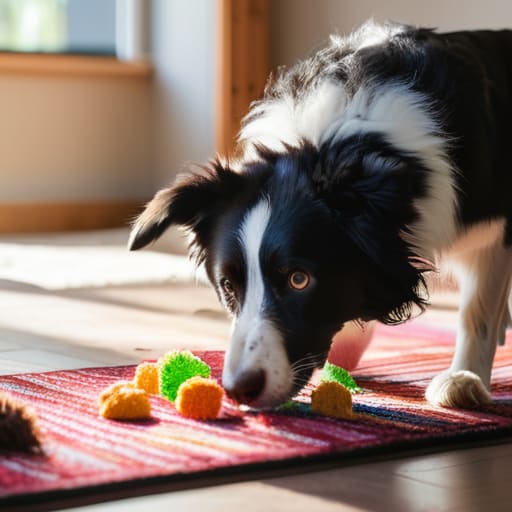
At the end of the day, keeping your dog’s mind sharp isn’t about buying every expensive gadget on the shelf. It’s about realizing that whether you’re using a puzzle toy to make dinner a challenge or tapping into those primal instincts through scent work, you are providing something much deeper than just entertainment. You’re preventing the dreaded destructive boredom that leads to chewed-up shoes and endless barking. By mixing up these mental workouts, you’re ensuring that your pup stays engaged, calm, and—most importantly—genuinely satisfied with their life by your side.
Remember, mental stimulation isn’t a chore you check off a list; it’s a way to deepen the bond you share with your best friend. Some days you’ll have the energy for a structured training session, and other days a simple sniffari around the neighborhood will do the trick. The goal is simply to keep them curious. When you invest even just fifteen minutes a day into their cognitive health, you aren’t just preventing bad behavior—you’re actively building a happier, more balanced companion who is ready for whatever adventure comes next.
Frequently Asked Questions
How long should a mental stimulation session last before my dog gets too tired or frustrated?
There’s no magic number, but a good rule of thumb is 10 to 15 minutes. Think of it like a HIIT workout for their brain—it’s intense! If you see your pup starting to pant heavily, pacing, or getting snappy, they’ve hit their limit. You want to end on a high note while they’re still winning, rather than waiting until they’re totally wiped out or losing interest.
Can I do these brain games with an older dog that has limited mobility?
Absolutely! In fact, these games can be even better for senior pups because they don’t require a single sprint. Since mobility is a concern, focus on “stationary” brain work. Instead of a scavenger hunt through the yard, try hiding treats in a snuffle mat right by their bed or using a lick mat during downtime. It keeps their mind sharp and their spirits high without putting any unnecessary strain on those aching joints.
How do I know if my dog is actually getting bored, or if they're just being stubborn during training?
It’s a fine line, right? If your dog is suddenly ignoring commands they usually nail, look for the “why.” A stubborn dog might give you a sassy side-eye or a heavy sigh but still eventually follow through. A bored dog, however, is usually looking for a job—they’ll start sniffing the carpet, pacing, or even chewing on things they shouldn’t. If they’re checking out mentally, they don’t need more discipline; they need more engagement.
