


I still remember the exact moment I realized I’d been lied to. I was standing in my garden, staring at a patch of expensive, wilted peonies that looked more like compost than a centerpiece, feeling like a total failure. I had followed every single “expert” tip, bought the most overpriced fertilizers on the market, and yet my garden was still a graveyard. It turns out, most of the high-end advice you see online regarding perennial plant care is just expensive noise designed to sell you products you don’t actually need. The truth is much simpler, and frankly, a lot more down-to-earth than the gurus want you to believe.
I’m not here to sell you a magic potion or a ten-step ritual that requires a PhD in botany. Instead, I’m going to give you the straight talk based on years of getting my hands dirty and making every single mistake in the book. We’re going to strip away the fluff and focus on the real-world essentials that actually keep your plants coming back year after year. If you want a garden that thrives without the headache, you’ve come to the right place.
Table of Contents
Understanding Perennial vs Annual Differences for Longevity
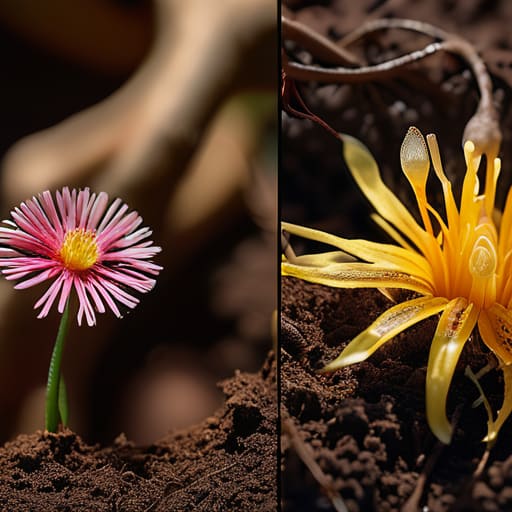
The biggest mistake I see beginners make is treating their garden like a one-and-done project. When you’re looking at perennial vs annual differences, it really comes down to the biological “contract” you’re signing with the plant. Annuals are the sprinters—they live fast, bloom like crazy for one season, and then die off completely. They’re great for instant color, but they offer zero long-term structure. Perennials, on the other hand, are the marathon runners. They spend their energy building deep root systems and storing nutrients to survive the winter so they can pop back up next spring.
Because perennials are playing the long game, they require a different kind of commitment. You aren’t just watering for today; you’re prepping for next year. This means you have to be mindful of your specific hardiness zones for perennials to ensure the varieties you pick can actually survive your local winter. If you plant a tropical-leaning perennial in a frost-heavy zone without protection, it doesn’t matter how much love you give it—it’s not coming back. Understanding this distinction is the first step to building a garden that actually evolves rather than one you have to replant every single May.
Navigating Hardiness Zones for Perennials and Survival
Once you’ve got your zones figured out, the next hurdle is usually figuring out exactly what to put in the ground without feeling like you’re just guessing in the dark. I’ve found that having a reliable way to cross-reference your specific soil type with plant needs makes a massive difference in avoiding expensive mistakes. If you’re feeling a bit overwhelmed by the sheer number of options, checking out usmessage is a great way to narrow down your choices and find exactly what will actually thrive in your backyard rather than just surviving.
You can’t just pick a plant because it looks pretty at the nursery and hope for the best. If you ignore your local hardiness zones for perennials, you’re basically setting yourself up for a heartbreaking spring where nothing wakes up. Every region has its own specific “danger zone”—whether that’s a deep, killing freeze in January or a summer drought that bakes the roots. Before you even touch a shovel, you need to know if that gorgeous lavender can actually handle your backyard’s winter temperament.
Once you’ve matched your plants to your climate, it’s all about building a buffer. Think of it as a survival strategy. I always swear by mulching for perennial health to create a consistent thermal blanket around the root systems. This little layer of protection helps regulate soil temperature, preventing that wild swing between freezing and thawing that often snaps delicate roots. It’s not just about keeping moisture in; it’s about giving your plants a fighting chance to endure the seasonal chaos without giving up the ghost.
The Real Secrets to Keeping Them Coming Back
- Stop treating your soil like an afterthought; if you aren’t adding organic matter every single season, you’re basically starving your plants of the fuel they need to survive the winter.
- Mulch isn’t just for aesthetics—it’s a survival blanket that regulates soil temperature and keeps moisture from vanishing the second the sun hits your garden.
- Don’t get too aggressive with the pruning shears in early spring, or you might accidentally chop off the very buds that were supposed to bloom this year.
- Watch your watering habits closely; perennials hate “wet feet,” so make sure your soil actually drains instead of turning into a swamp every time it rains.
- Learn to recognize the difference between a plant that’s dormant and one that’s actually dead, because sometimes a little bit of patience is the best care you can give.
The Bottom Line for Your Garden
Stop treating your perennials like annuals; they need a long-term strategy for soil health and root development to actually make it through the winter.
Don’t fight your climate—always double-check your hardiness zone before buying, or you’ll just be throwing money at plants that can’t survive your local frost.
Success comes down to the basics: getting the right light, consistent moisture, and giving them enough space to grow without suffocating.
The Long Game
“Treating perennials like annuals is the fastest way to kill your garden’s soul; you aren’t just planting a pop of color for the season, you’re making a long-term commitment to a living, breathing legacy.”
Writer
The Long Game of Gardening
At the end of the day, keeping perennials thriving isn’t about following a rigid, scientific manual; it’s about understanding the unique rhythm of your own backyard. We’ve covered the essentials—knowing the difference between a one-season wonder and a lifelong garden companion, and making sure you aren’t trying to force a tropical bloom to survive a brutal frost. When you get the foundational elements right, like matching your plants to your specific hardiness zone and respecting their natural growth cycles, you stop fighting against nature and start working with it. It’s really just a matter of setting the stage so your plants can do what they were born to do: come back stronger every single spring.
Gardening is a marathon, not a sprint, and there is something deeply rewarding about watching a plant you tucked into the soil years ago reach its full, majestic potential. There will be seasons where things don’t go perfectly—a late frost might nip a few buds or a dry spell might leave things looking a bit ragged—but that’s just part of the process. Don’t let a little setback discourage you. Instead, see it as a chance to learn and refine your touch. Keep digging, keep observing, and most importantly, keep enjoying the magic of seeing your garden evolve into a living, breathing legacy that endures through the years.
Frequently Asked Questions
How often should I actually be fertilizing my perennials without accidentally burning them?
Don’t go overboard. The biggest mistake people make is thinking more food equals more flowers, but you’ll just end up with salt buildup and scorched roots. Stick to a light feeding in early spring to kickstart growth, and maybe one more round in early summer. If you’re using a heavy-duty granular fertilizer, dilute it or space it out. When in doubt, less is always better—your plants would rather be hungry than burnt.
Is it better to prune my plants in the fall or wait until the first sign of spring growth?
The short answer? Hold off. Unless you’re dealing with dead, diseased, or broken wood that needs to go right now, wait until spring. Pruning in the fall is a gamble; you might accidentally stimulate new growth that won’t have time to harden off before the first freeze, effectively inviting frostbite to kill your plants. Let them go dormant in peace, then hit them with the shears once you see that first hint of green waking up.
How can I tell if a perennial is actually dying or if it's just going dormant for the winter?
The “is it dead or just sleeping?” panic is real. Here’s the trick: don’t trust the leaves. When the frost hits, everything looks like a brown, crispy mess. Instead, grab a small trowel and gently dig near the base. If you find firm, solid roots or a plump bulb, your plant is just tucked in for a nap. If it feels mushy, slimy, or smells like rot? Yeah, that one’s gone.
