


I remember standing in the middle of my old living room, paralyzed by the sheer noise of it all. It wasn’t just the literal sound of the traffic outside; it was the aggressive glare of the overhead lights, the scratchy synthetic rug under my feet, and that weird, stale scent that seemed to cling to every surface. I realized then that my house wasn’t a sanctuary; it was a sensory minefield. Most people think creating a sensory home requires a massive budget or a complete architectural overhaul, but they’re dead wrong. It’s not about buying expensive, “minimalist” gadgets that look good on Instagram but feel cold to the touch.
I’m not here to sell you on some lifestyle fantasy or a list of overpriced aesthetic trends. Instead, I’m going to show you how to actually reclaim your peace by focusing on the tactile, auditory, and visual details that truly matter. We’re going to dive into real, lived-in ways to curate a space that supports your nervous system rather than draining it. This is about practical, no-nonsense adjustments that turn your living space into a place where you can finally, truly, breathe.
Table of Contents
Mastering Neurodivergent Friendly Interior Design Principles
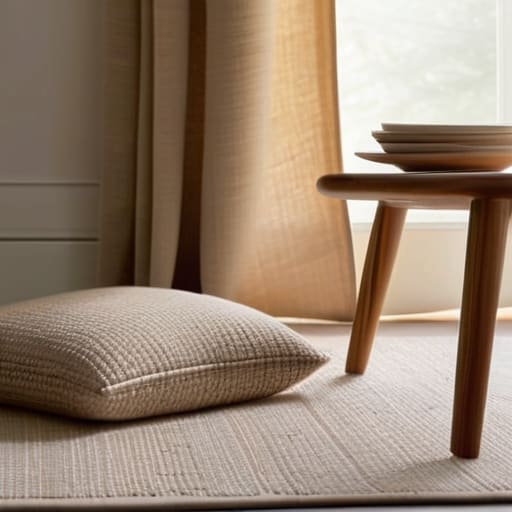
When we talk about neurodivergent friendly interior design, we aren’t just talking about aesthetics; we are talking about neurological survival. For many of us, a room isn’t just a place to sit—it’s a source of input that can either ground us or send us into a spiral. The goal is to move away from the “open concept” chaos that many modern homes push and instead focus on creating sensory regulation spaces that offer a sense of predictability. This means thinking about how a floor texture feels under bare feet or how much light is bouncing off a white wall.
One of the most effective ways to manage this is by implementing low stimulation living room ideas that prioritize “visual quiet.” You don’t need to live in a beige box, but reducing visual noise—like hiding tangled cords or using closed cabinetry to tuck away clutter—can significantly lower your baseline anxiety. If you find yourself constantly seeking an escape, try creating a calming sensory nook in a corner of your home. Even a small, dedicated spot with soft lighting and weighted textures can serve as a vital reset button when the world feels a little too loud.
Curating Sensory Regulation Spaces for Daily Calm
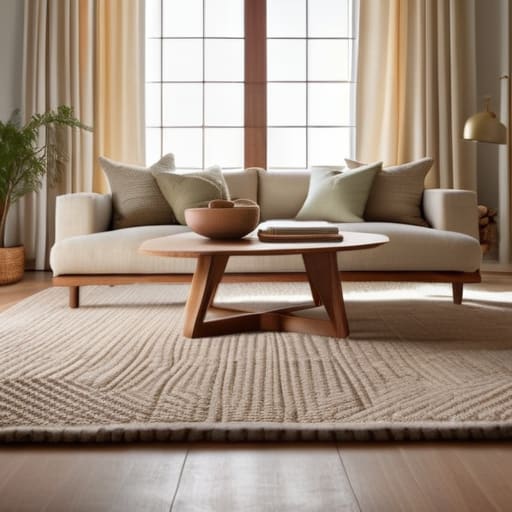
Sometimes, the hardest part of creating a sensory-friendly sanctuary is actually visualizing how different elements will interact before you commit to buying them. If you’re feeling stuck or overwhelmed by the sheer amount of decor out there, I’ve found that looking at professional, high-quality imagery can be a total game-changer for finding inspiration. I personally love browsing through the work at laurentphotography when I need to see how natural light and soft textures actually play together in a real room; it helps me move past the guesswork and start seeing my own home through a much clearer, calmer lens.
Instead of trying to make every single room in your house a high-performance zone, focus on carving out specific pockets dedicated to decompression. We all have those days where the world just feels a bit too loud or too bright, and that’s where creating a calming sensory nook becomes a total game-changer. This doesn’t require a massive renovation; it might just be a corner of your bedroom with a weighted blanket, a dimmable lamp, and a pile of soft pillows. The goal is to have a designated “reset button” where the external world can’t reach you.
When you’re looking at low stimulation living room ideas, think about subtraction rather than addition. It’s easy to get caught up in decorating, but sometimes the most effective way to support a sensory processing disorder home environment is to clear the visual clutter. Swap out those high-contrast, busy patterns for solid, muted tones and replace harsh overhead lighting with warm, indirect sources. By intentionally designing these sensory regulation spaces, you aren’t just decorating a room—you’re building a buffer against burnout.
Small Shifts for a High-Impact Sensory Reset
- Ditch the “big light” for good; layering warm, dimmable lamps or even smart bulbs allows you to control the visual intensity of a room based on your energy levels.
- Audit your textures by touch—replace that scratchy, synthetic throw blanket with something heavy and weighted, or swap out stiff pillows for velvet to ground your nervous system.
- Create a “scent station” using essential oil diffusers or soy candles, but keep it intentional so you can quickly transition from a stimulating citrus to a calming lavender when the world gets too loud.
- Tame the visual noise by implementing a “closed storage” rule; hiding the cluttered piles of mail or colorful toy bins behind solid cabinet doors can instantly lower your brain’s processing load.
- Layer in “soft” soundscapes, like a small tabletop water fountain or white noise machine, to create a consistent acoustic buffer against the unpredictable jarring noises of the neighborhood.
Making It Stick: Your Sensory Home Cheat Sheet
Stop designing for how a room looks in a magazine and start designing for how it actually feels to exist in; prioritize your nervous system over aesthetic perfection.
Think in layers—small, intentional shifts in lighting, texture, and sound are often more effective at regulating your mood than a total furniture overhaul.
Give yourself permission to pivot; your sensory needs will change, so build a home that is flexible enough to evolve alongside your changing capacity.
## The Soul of the Space
“A home shouldn’t just be a place where you store your things; it should be a place that holds you—a sanctuary where every texture, light, and sound works in harmony to quiet the noise of the world outside.”
Writer
Making It Your Own
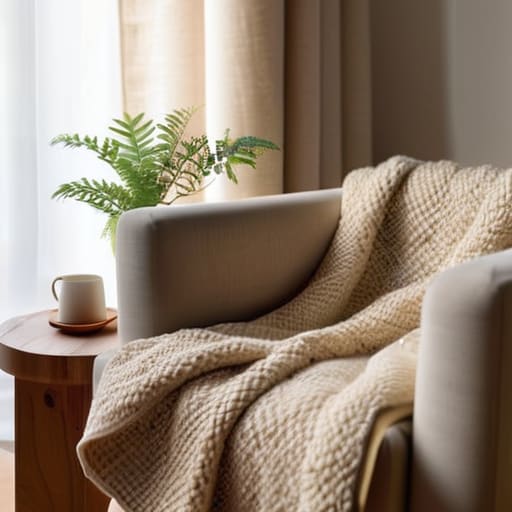
At the end of the day, building a sensory-friendly home isn’t about following a strict set of interior design rules or buying every expensive, aesthetic gadget on the market. It’s about the intentionality behind your choices—knowing when to lean into soft, tactile textures to ground yourself and when to dial back the visual noise to find a moment of peace. By mastering neurodivergent-friendly principles and carving out dedicated zones for regulation, you are doing more than just decorating; you are actively building a sanctuary that respects your unique nervous system and supports your daily well-being.
Remember that your home should be a living, breathing reflection of your needs, and those needs are allowed to change. Some days you might crave a high-sensory environment filled with color and life, while other days you might need a quiet, low-stimulus cocoon just to catch your breath. Don’t feel pressured to get it perfect right away. Just start with one corner, one scent, or one lighting adjustment, and trust that you are creating a space where you can truly belong.
Frequently Asked Questions
How do I balance making a room sensory-friendly without it looking cluttered or messy?
The secret is focusing on “invisible” sensory tools. Instead of piling up fidget toys or weighted blankets, choose high-quality textures that double as decor—think a chunky knit throw or a velvet lumbar pillow. Use closed storage, like beautiful woven baskets or sleek cabinets, to tuck away the visual noise of sensory tools when you aren’t using them. It’s about choosing items that soothe your nervous system while still looking intentional and curated.
Are there specific budget-friendly swaps I can make to reduce sensory overload in my current home?
You don’t need a full renovation to find some relief. Start small: swap harsh, overhead LED bulbs for warm-toned lamps or even cheap smart bulbs you can dim via your phone. Swap out scratchy polyester throws for a single soft cotton blanket. Even ditching the noisy, clanging plastic Tupperware for some muted glass containers can dampen the “visual and auditory noise” in your kitchen. It’s about micro-adjustments, not a total overhaul.
How can I design a sensory-safe space that still feels welcoming for guests who aren't neurodivergent?
The secret is “modular comfort.” You don’t need to live in a sterile bubble to be sensory-safe. Instead of permanent changes, think about adjustable elements: dimmable lighting instead of harsh overheads, or a collection of various textures—like a chunky knit throw next to a smooth linen pillow. This creates a rich, inviting atmosphere for guests while giving you the control to dial down the stimulation whenever the world feels a bit too loud.
