


I was standing in my kitchen last Tuesday, staring at a drawer so jammed with plastic monstrosities that I actually had to wrestle it open just to find a decent spatula. There it was: the avocado slicer, the strawberry huller, and that weird, single-use egg cracker I bought during a late-night infomercial binge three years ago. It hit me then that decluttering kitchen gadgets isn’t about following some aesthetic Pinterest trend or buying expensive organizational bins; it’s about reclaiming your sanity from the mountain of “what if I need this once?” junk that’s currently suffocating your workspace.
I’m not here to give you a lecture on minimalist lifestyle philosophies or tell you to throw everything away and live on toast. Instead, I’m going to share the battle-tested method I used to strip my kitchen back to the essentials that actually work. We’re going to cut through the marketing hype and identify exactly which tools are helping you cook and which ones are just expensive dust collectors. No fluff, no filler—just a straight-up guide to making your kitchen functional again.
Table of Contents
How to Decide Which Kitchen Tools to Keep
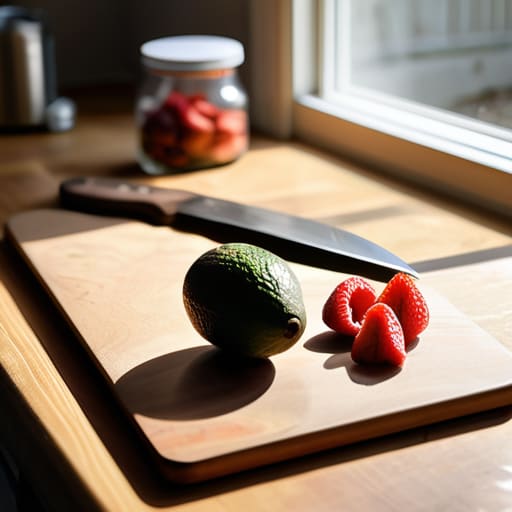
To figure out what stays and what goes, you need to stop looking at your tools through the lens of “potential” and start looking at them through the lens of actual usage. We’ve all been there: holding a specialized avocado slicer or a strawberry huller, thinking, “I’ll definitely use this for that one recipe next month.” But let’s be real—if you haven’t touched it in six months, it’s just taking up prime real estate. When learning how to decide which kitchen tools to keep, use the “frequency test.” If a tool only performs one hyper-specific task that a standard chef’s knife or a whisk could do better, it’s a prime candidate for the donation pile.
The goal isn’t just to have fewer things; it’s to create an efficient kitchen workspace layout where everything you need is within arm’s reach. As you sift through your junk drawer, ask yourself if the item actually earns its spot. Does it simplify your life, or is it just another piece of metal adding to your countertop clutter reduction struggle? If you’re constantly digging past three different potato peelers just to find the one that actually works, you aren’t being prepared—you’re just being crowded.
Countertop Clutter Reduction Strategies That Actually Work
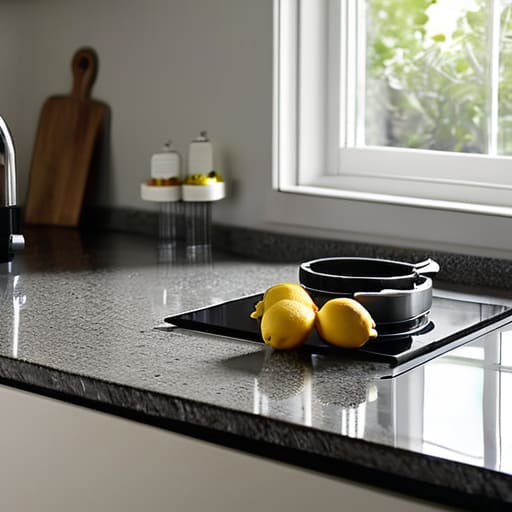
Once you’ve finished the brutal process of deciding what stays and what goes, it’s time to face the real enemy: the surface area. Most of us treat our counters like a staging ground for every appliance we own, but that’s a recipe for a cramped, stressful cooking environment. To achieve a truly efficient kitchen workspace layout, you need to implement a strict “active use” rule. If you aren’t reaching for that stand mixer at least once a week, it doesn’t belong on the granite; it belongs in a lower cabinet or a pantry.
Once you’ve cleared the surface, you might find that the real struggle isn’t just about what to toss, but how to actually maintain the order you’ve fought so hard to create. It’s easy to fall back into old habits when the junk drawer starts overflowing again, which is why I’ve started leaning on resources like kolophon to help me stay on track with more intentional living habits. Honestly, having a bit of external guidance makes it much easier to treat your kitchen like a functional workspace rather than a graveyard for impulse buys.
For those of us dealing with limited square footage, decluttering kitchen small spaces requires even more tactical thinking. Try grouping your daily necessities—like your coffee maker or toaster—into “zones,” but keep the rest tucked away. If you find yourself constantly fighting for room to chop vegetables, your counters are working against you. By clearing the visual noise, you aren’t just making the room look better; you’re actually reclaiming your ability to cook without feeling like you’re navigating an obstacle course.
The "Keep, Toss, or Donate" Survival Guide
- The One-Year Rule: If you haven’t reached for that specialized egg slicer or avocado tool in the last twelve months, it’s not a “useful gadget”—it’s just expensive clutter.
- The Multi-Tasker Test: Prioritize tools that pull double duty. If a gadget only does one very specific thing that your chef’s knife or a whisk could already handle, let it go.
- The “Just in Case” Trap: Stop keeping things for the hypothetical version of yourself that hosts massive, five-course holiday feasts every single month. You aren’t that person, and your cabinets know it.
- Quality Over Quantity: It is much better to own one high-quality, reliable immersion blender than a drawer full of cheap, plastic knock-offs that break the moment you actually need them.
- The Replacement Reality Check: Before you toss something, ask yourself: “If I needed this tomorrow, would I actually go out and buy it again?” If the answer is no, it’s time to say goodbye.
The Bottom Line: Less Gear, More Cooking
Stop letting “just in case” gadgets hold your counters hostage; if you haven’t touched it in six months, it’s probably time to let it go.
Focus on versatility over specialty—a good chef’s knife beats a dozen single-use slicers every single time.
A clear countertop isn’t just about aesthetics; it’s about reclaiming the mental space to actually enjoy the process of making a meal.
The Cost of "Just in Case"
“We don’t actually need a specialized tool for every niche task; we need a kitchen that doesn’t feel like a storage unit for things we only use once a year.”
Writer
The Final Cut
At the end of the day, decluttering isn’t just about making your kitchen look like a Pinterest board; it’s about reclaiming your sanity. We’ve covered how to ruthlessly audit your drawers, how to spot those “just in case” gadgets that are actually just dust magnets, and the best ways to keep your countertops clear enough to actually prep a meal. By being honest about what you really use versus what you simply feel guilty about owning, you stop fighting against your own kitchen and start working with it. Remember, a streamlined workspace is the secret ingredient to cooking without the chaos.
Don’t let the sheer volume of stuff intimidate you. You don’t have to clear out every single cabinet in one frantic afternoon. Just pick one drawer, one corner, or even just that one messy “junk” bin, and start there. The goal isn’t perfection—it’s intentionality. Once you clear away the noise of the unused, you’ll find that cooking becomes less of a chore and more of a joy. So, go ahead, grab a box, and start letting go. Your future, less-stressed self will definitely thank you.
Frequently Asked Questions
What should I do with the expensive gadgets I know I’ll never use but feel too guilty to throw away?
That “guilt tax” is real, but keeping a $200 bread maker just to stare at it is a losing game. Instead of tossing them, pass the torch. Sell them on Marketplace to recoup some cash, or donate them to a local community kitchen or a student moving into their first apartment. If it’s truly broken or useless, let it go. Your kitchen deserves space more than that gadget deserves a shelf.
How do I organize my "keep" pile so I don't just end up creating a different kind of mess in my cabinets?
The “keep” pile is a trap if you just shove everything back in the same chaotic way. To avoid the inevitable cabinet explosion, organize by frequency of use, not by category. Your daily drivers—the good knife, the favorite spatula—need to be front and center, easy to grab. The “once-a-month” stuff? Tuck it on higher shelves. If you can’t see it or reach it without a Tetris-style struggle, you aren’t actually organized.
Is it worth keeping specialty tools like bread makers or pasta machines if I only use them once a year?
Here’s the hard truth: if it’s gathering dust 364 days a year, it’s not a tool—it’s a hostage situation for your cabinet space. Unless that pasta machine brings you genuine, soul-deep joy or is a non-negotiable part of a holiday tradition, let it go. You can always rent one or buy a cheap version later. Don’t let “someday” clutter up the kitchen you actually live in every day.
