


I still remember the exact moment I realized I was losing the battle against my own apartment. I was standing in the doorway of my first studio, staring at a bed that seemed to swallow the entire floor, feeling less like a homeowner and more like a professional Tetris player. I had spent hours scrolling through Pinterest, convinced that a “perfect” small bedroom layout required a massive budget and a team of interior designers, only to realize that most of those polished photos are total lies. They don’t show the cluttered corners or the way a single misplaced nightstand can make a room feel like a claustrophobic box.
Look, I’m not here to sell you on some expensive, minimalist lifestyle that requires living in a white void. I’ve spent years trial-and-erroring my way through cramped floor plans, and I’m going to give you the straight-up truth about what actually works. We’re going to skip the fluff and dive into real, functional ways to master your small bedroom layout so you can actually breathe, move, and actually enjoy your space without breaking the bank.
Table of Contents
Maximizing Floor Space Through Strategic Placement
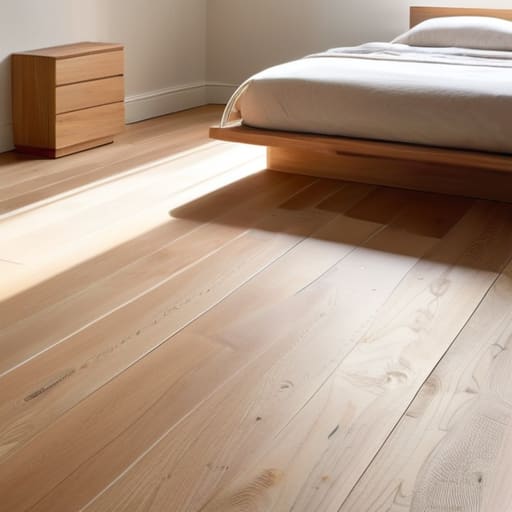
The biggest mistake people make when tackling a tight room is pushing everything against the walls and hoping for the best. While it seems intuitive, you can actually end up creating a “dead zone” in the middle that feels awkward and cramped. Instead, try to think about the flow of movement. If you can, pull your bed slightly away from the corner or use a low-profile frame to create a sense of openness. One of my favorite space saving furniture ideas is opting for pieces with legs rather than solid bases; seeing that extra bit of floor underneath a nightstand or dresser tricks the eye into thinking the room is much larger than it actually is.
Another way to reclaim your room is to stop thinking horizontally. If you’re constantly tripping over clutter, it’s time to look up. Implementing vertical storage hacks, like floating shelves or tall, narrow bookcases, keeps your essentials within reach without eating up your precious walking paths. By keeping the floor as clear as possible, you aren’t just organizing—you’re actually maximizing floor space to make the room feel breathable rather than claustrophobic.
The Magic of Minimalist Bedroom Design Principles
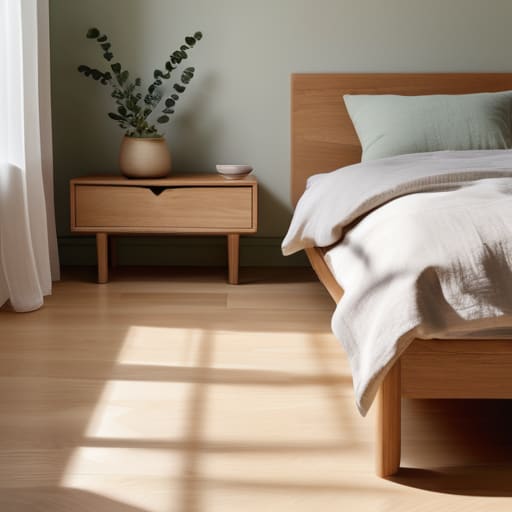
When people hear the word “minimalism,” they often think of cold, empty white rooms that feel more like a museum than a sanctuary. But in a cramped sleeping area, minimalism isn’t about deprivation—it’s about intentionality. The goal is to strip away the visual noise that makes a room feel claustrophobic. By sticking to a cohesive color palette and reducing the number of small, distracting trinkets on your surfaces, you allow the eye to move freely across the room, which instantly creates an illusion of openness.
This philosophy works hand-in-hand with smart space saving furniture ideas. Instead of cluttering the perimeter with mismatched pieces, look for items that serve a dual purpose. A sleek, low-profile bed frame or a simple floating nightstand can do wonders for your floor plan. When you embrace minimalist bedroom design, you aren’t just cleaning up; you’re reclaiming your sanity by ensuring that every single object in the room actually earns its keep.
5 Quick Wins to Open Up Your Space
- Think vertical—if you can’t go out, go up. Swap that bulky nightstand for a sleek floating shelf to reclaim precious floor real estate.
- Use mirrors to cheat the eye. Hanging a large mirror opposite your window doesn’t just look good; it bounces light around and makes the walls feel like they’ve pushed back.
- Don’t ignore the power of multi-functional furniture. An ottoman with hidden storage or a bed frame with built-in drawers can be a total lifesaver when closet space is tight.
- Keep the legs visible. Choosing a bed or a desk with slim, tapered legs creates a sense of “flow” underneath the furniture, making the room feel much airier than heavy, solid pieces.
- Lighten the load with window treatments. Ditch the heavy, dark velvet curtains and opt for sheer linens; you want as much natural light as possible to prevent that “boxed-in” feeling.
Quick Wins for Your Tiny Bedroom
Stop trying to cram everything in; prioritize your most essential pieces and let the floor breathe to avoid that claustrophobic feeling.
Think vertically—if you run out of floor space, use wall shelves and tall storage to keep your clutter off the ground.
Embrace the “less is more” mindset by choosing multi-functional furniture that works double duty for both sleep and storage.
## The Golden Rule of Small Spaces
“A small bedroom isn’t a puzzle to be solved; it’s a space to be curated. Stop trying to fit your life into the room and start designing the room around the life you actually live.”
Writer
Making Your Small Space Work for You
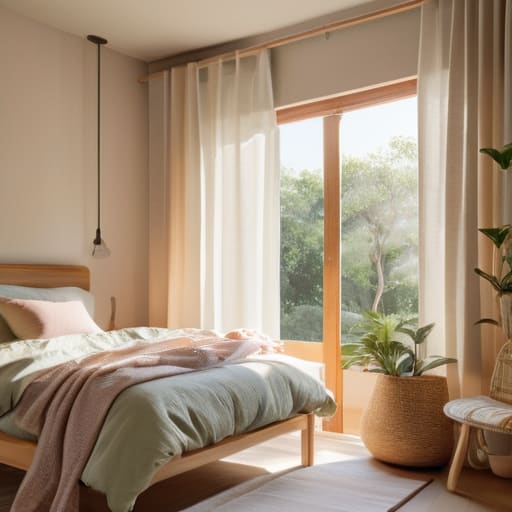
While you’re focusing on the internal layout, don’t forget that the light coming through your windows can completely change how large a room feels. If you find that harsh afternoon sun is washing out your color palette or making the space feel uncomfortably warm, adding some shade can make a massive difference. I’ve found that using something like an artificialawn is a total game-changer for controlling that natural glare, helping you maintain a consistent, cozy atmosphere regardless of what’s happening outside.
At the end of the day, mastering a small bedroom layout isn’t about having a massive floor plan; it’s about being intentional with what you do have. We’ve covered how to move your furniture to reclaim lost inches, how to lean into the calming power of minimalism, and how to ensure every piece in the room actually serves a purpose. By focusing on strategic placement and cutting out the visual clutter, you stop fighting against your walls and start working with them. It’s all about finding that perfect balance between functionality and comfort so your room feels like a sanctuary rather than a storage unit.
Don’t let the square footage discourage you from creating a space you actually love waking up in. A tiny bedroom can be just as cozy, stylish, and organized as a master suite if you approach it with a bit of creativity and a lot of discipline. Remember, your bedroom should be a reflection of your peace, not a source of stress. So, take a deep breath, clear off that cluttered nightstand, and start reimagining your space one smart decision at a time. You’ve got this!
Frequently Asked Questions
How do I fit a desk into my layout without it feeling like a cramped home office?
The trick is to stop treating the desk like a piece of office furniture and start treating it like a piece of decor. Skip the heavy, dark executive desks that scream “cubicle” and go for something slim with open legs—it keeps the visual lines clean. If you can, tuck it into a corner or use a floating shelf to save floor space. The goal is a workspace that blends in, not one that takes over.
Should I go for a larger bed to make it cozy, or stick to a twin to save floor space?
It’s the classic small-room dilemma: comfort versus breathing room. Honestly? If you’re going to spend eight hours a night in that bed, don’t punish yourself with a twin just to gain a few extra inches of floor space. Go for the larger bed, but make it work. Use a low-profile frame to keep the sightlines open, and keep the rest of the room stripped back. Cozy is a vibe; cramped is a headache.
What are some clever ways to use vertical space when I can't expand the footprint?
Think up, not out. When you’re stuck with a tiny footprint, your walls are your best friends. Swap that bulky nightstand for a floating shelf to free up floor space, and embrace tall, narrow bookcases that draw the eye upward. If you have the height, hanging organizers or even a lofted bed can turn wasted air into functional storage. It’s all about reclaiming that vertical real estate to keep your floor clear.
