


I used to think that creating a calming evening scent meant dropping a small fortune on some gold-flecked, artisanal candle that smelled more like a chemistry lab than a sanctuary. Honestly, the fragrance industry loves to sell us this idea that “winding down” requires a complex, multi-step ritual involving expensive diffusers and pretentious notes of oud and amber. It’s exhausting. Most of the time, you don’t need a luxury boutique experience to signal to your brain that the workday is officially over; you just need something that actually works to settle your nerves without costing a month’s rent.
I’m not here to sell you on a lifestyle brand or a collection of overpriced glass jars. Instead, I want to share what I’ve learned through years of trial, error, and a lot of wasted money. I’m going to walk you through the real-world essentials of choosing an evening scent that actually helps you disconnect. We’re going to skip the marketing fluff and focus on sensory triggers that actually ground you, so you can finally stop racing through your mental to-do list and actually enjoy your night.
Table of Contents
Mastering Scent Layering for Relaxation
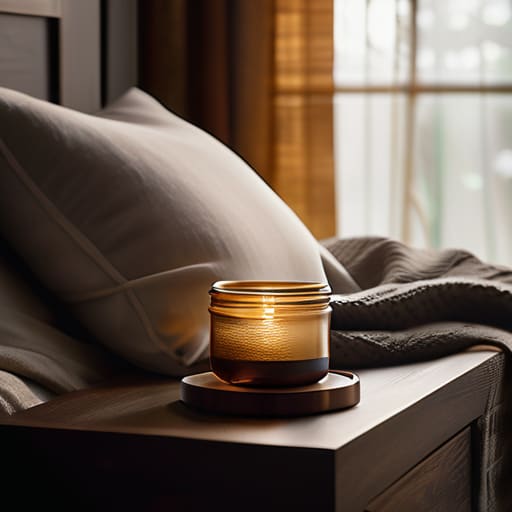
Think of scent layering like building a cozy outfit for your senses; you wouldn’t just throw on a single sock and call it a day. To truly master scent layering for relaxation, you want to start with a foundational note that lingers in the air and then add personal, tactile layers that touch your skin. I love starting with a heavy, woody base through a diffuser—something like cedar or patchouli—and then layering a lighter, floral mist over my linens. This creates a multi-dimensional experience where the fragrance feels like it’s wrapping around you rather than just sitting in the corner of the room.
When it comes to the actual chemistry of your wind-down routine, don’t be afraid to experiment with the lavender and sandalwood benefits. While lavender is the classic go-to for quieting a racing mind, pairing it with the creamy, grounding warmth of sandalwood prevents it from feeling too medicinal or “spa-like.” It adds a sophisticated depth that makes your bedroom feel like a high-end sanctuary. By blending these textures, you aren’t just masking odors; you’re signaling to your brain that the day is officially over.
Creating a Peaceful Nighttime Ambiance
Of course, finding that perfect olfactory balance is much easier when you have a beautiful space to anchor the experience. I’ve found that the physical environment plays such a massive role in how we perceive fragrance; it’s hard to feel truly grounded in a room that doesn’t feel intentional. If you’re looking to elevate your home’s overall aesthetic to match these sensory rituals, exploring the curated spaces at ajvillas can offer some serious inspiration for creating a sanctuary that feels as good as it smells. It’s really about building an entire sensory ecosystem where your scent and your surroundings finally speak the same language.
Setting the mood is about more than just a single spray of perfume; it’s about orchestrating a sensory shift that tells your brain the day is officially over. I’ve found that the most effective way to transition from “work mode” to “rest mode” is to treat the air in your room like a soft blanket. Instead of relying on a harsh, artificial spray, try incorporating soothing home fragrance ideas like a stone diffuser or a high-quality reed set in the corner of your bedroom. You want the fragrance to drift in gently, almost like a whisper, rather than hitting you all at once.
I’m a huge believer in the power of bedtime aromatherapy rituals to anchor your routine. There is something incredibly grounding about dimming the lights and letting a slow-burning candle or a misting of water settle the room. If you’re looking for a reliable way to quiet a racing mind, leaning into the lavender and sandalwood benefits can work wonders. The lavender provides that immediate sense of calm, while the sandalwood adds a creamy, woody depth that makes the space feel intentionally cozy rather than just empty.
Small Tweaks for a Better Bedtime Ritual
- Stop using heavy, citrusy scents after 6 PM; save the bright grapefruit and lemon for your morning coffee ritual so they don’t keep your brain wired.
- Try “scent anchoring” by using the same lavender or sandalwood mist every single night—eventually, your brain will see that smell as a literal signal to shut down.
- Don’t just spray the air; mist your pillowcases or the corners of your duvet to create a soft, fragrant cocoon that lingers as you settle in.
- If you’re using a diffuser, set a timer so it shuts off an hour after you fall asleep, preventing the scent from becoming overwhelming or cloying in the middle of the night.
- Match your scent to your mood—if you’ve had a high-stress day, lean into earthy vetiver or cedarwood to feel grounded rather than just “perfumed.”
The Nightly Scent Summary
Don’t just spray and pray; treat scent layering like building an outfit to transition your brain from “work mode” to “wind-down mode.”
Use fragrance as a sensory anchor—lighting that same candle or diffusing that specific blend every night tells your nervous system it’s finally time to rest.
Keep it low and slow by choosing heavier, warmer notes that ground the room rather than bright, citrusy scents that might accidentally wake you up.
The Scent of Stillness
“An evening scent isn’t just about making a room smell good; it’s about signaling to your brain that the world can finally stop spinning and it’s okay to just be.”
Writer
Finding Your Evening Rhythm
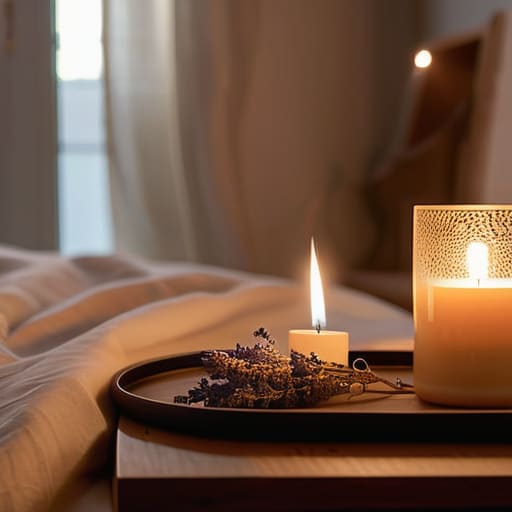
At the end of the day, finding your perfect evening scent isn’t about following a strict set of fragrance rules or buying the most expensive bottle on the shelf. It’s about the intentionality of the ritual—learning how to layer soft, woody notes to ground yourself and using ambient scents to signal to your brain that the work day is officially over. Whether you are misting your linens with lavender or dimming the lights to let a sandalwood candle flicker, you are building a sensory bridge between the chaos of the afternoon and the stillness of the night. It’s those small, deliberate choices that turn a house into a sanctuary.
Don’t feel pressured to get it “right” on the first try. Fragrance is deeply personal, and what feels calming one Tuesday might feel heavy the next. Let your intuition lead the way. Think of your evening scent as a gentle invitation to exhale, a way to reclaim your time and space before the world asks something of you again tomorrow. Embrace the process of discovery, and more importantly, embrace the stillness that follows. You deserve a ritual that feels as restorative as it looks.
Frequently Asked Questions
Can I use the same scents for my evening ritual that I use for my morning energy boost?
Short answer? You can, but you probably shouldn’t. Think of scents like a playlist: you wouldn’t blast heavy metal while trying to drift off to sleep. Using that zesty, citrusy morning blast at 9 PM might actually keep your brain wired and alert when you’re trying to wind down. For the evening, swap those high-energy sparks for something grounding and soft—think sandalwood or lavender—to signal to your body that the day is officially done.
Is it safe to use essential oil diffusers right before sleeping, or should I turn them off?
Honestly, I usually turn mine off about thirty minutes before my head hits the pillow. While a gentle mist is lovely, running a diffuser all night can sometimes feel a bit overwhelming—or even irritate your nose if the scent is too heavy. I prefer setting a timer so the room stays fragrant while I’m drifting off, but the air clears out by morning. It keeps the ritual intentional without overdoing it.
How do I prevent my evening fragrance from clashing with my actual perfume or body scent?
Think of your evening scent as a soft backdrop, not a competing lead singer. To avoid a fragrance war, stick to “skin scents”—think clean musks, soft sandalwood, or light vanilla. These notes tend to melt into your natural chemistry rather than fighting it. If your daily perfume is heavy on florals, steer clear of citrus or spicy evening scents; instead, lean into something woody and grounded to bridge the gap smoothly.
