


Look, I’m going to be real with you: most of the “life-changing” grocery shopping hacks you see cluttering your feed are absolute garbage. I’m talking about those influencers telling you to spend three hours meal prepping exotic ingredients or downloading ten different apps just to save fifty cents on organic kale. It’s exhausting, it’s fake, and quite frankly, it’s a waste of your precious time. If a “hack” requires a PhD in logistics or a massive upfront investment, it’s not a hack—it’s a second job.
I’m not here to sell you on some complicated system that falls apart the moment you have a busy Tuesday. Instead, I’m giving you the raw, unvarnished truth about what actually works when you’re tired, broke, or just plain hungry. I’ve spent years trial-and-erroring my way through supermarket aisles, and I’ve boiled everything down to the straight-to-the-point tactics that actually keep money in your pocket. No fluff, no nonsense, and absolutely zero wasted effort—just the real ways to win at the grocery store.
Table of Contents
The Art of Grocery List Organization
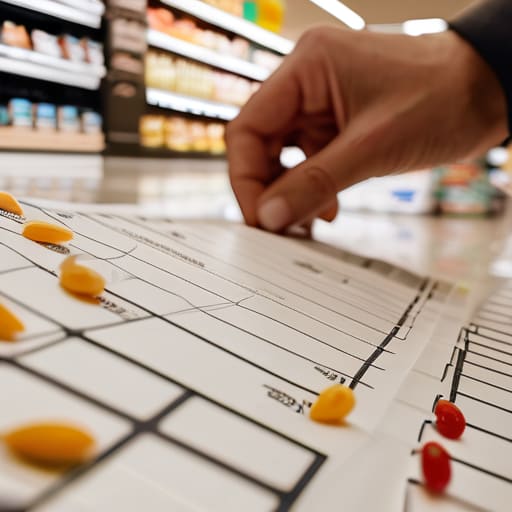
Look, if you’re walking into a store with a random scrap of paper and a “vibe,” you’ve already lost. The secret to actually sticking to your budget is serious grocery list organization. Don’t just list items as you think of them; group them by the store’s layout. If your list jumps from dairy to frozen peas to bread and back to milk, you’re going to end up pacing those aisles like a lost tourist. That extra walking time isn’t just tiring—it’s a trap that leads to impulse buys.
Once you have your zones mapped out, it’s time to get tactical with your choices. This is where you start looking at the fine print to master unit price comparison. Don’t let those flashy “Sale!” signs fool you; sometimes the larger package actually costs more per ounce than the smaller one. I always tell people to ignore the big, bold price on the tag and look at that tiny number in the corner. It’s the only way to know if you’re actually getting a deal or just getting played.
Store Brand vs Name Brand Winning the Price War
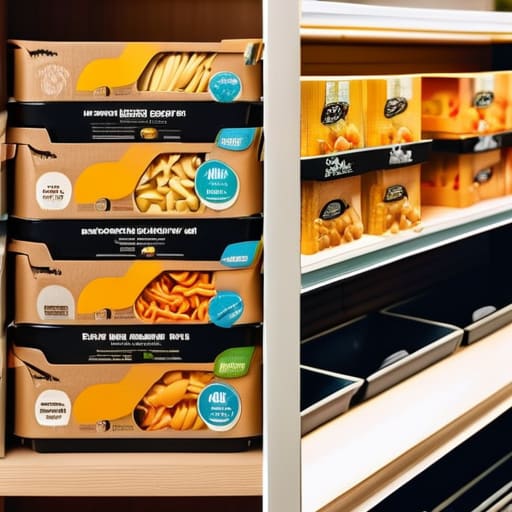
Let’s get real: standing in the pasta aisle staring at two nearly identical boxes can feel like a high-stakes math exam. You see the flashy, colorful packaging of the name brand, but then your eyes drift to the generic version sitting right next to it. Here is the secret most people miss: in most cases, the ingredients are virtually identical. The only real difference is that you aren’t paying for a multi-million dollar marketing budget. If you want to slash your bill without feeling like you’re eating cardboard, you have to embrace the store brand vs name brand showdown.
Another thing that’ll save you a massive headache is getting a handle on your pantry inventory before you even step foot in the sliding doors. There is nothing worse than getting home with a three-pound bag of rice only to realize you already have two hiding in the back of the cupboard. I actually started using some of the organization frameworks over at davedunnam to keep track of what I actually have on hand, and it’s been a total game changer for preventing that accidental double-buying. If you can master your inventory, you’re basically cutting your grocery bill in half without even trying.
The real pro move, though, isn’t just picking the cheaper box; it’s mastering the unit price comparison. Don’t let the big, bold numbers on the shelf trick you. Sometimes a “value size” name brand is actually more expensive per ounce than the smaller store-brand option. Grab your phone or just look closely at those tiny numbers on the shelf tag. Once you start checking the math, you’ll realize how much money you’ve been leaving on the table simply because of a logo.
Pro Moves to Stop the Grocery Store Bleed
- Never, and I mean never, shop while you’re hungry. If you walk into that store on an empty stomach, you aren’t buying ingredients; you’re buying impulse-driven snacks and expensive junk that you don’t actually need.
- Master the “unit price” game. Don’t just look at the big number on the price tag; look at the tiny number in the corner that tells you the cost per ounce. That “family size” box might actually be a total rip-off compared to the smaller one.
- Stick to the perimeter. The stuff you actually need to survive—produce, meat, dairy—lives on the outer edges of the store. The middle aisles are basically a trap designed to lure you into buying processed crap that kills your budget.
- Use a grocery pickup app even if you plan to go in person. It sounds extra, but seeing your running total in real-time prevents that heart-sinking moment when you hit the checkout lane and realize you’re $50 over what you thought you spent.
- Check your pantry before you leave the house. It sounds basic, but “double buying” a jar of spices or a bag of rice you already have is just throwing cash directly into the trash.
The Bottom Line: How to Shop Smarter
Stop winging it—a structured list is your only defense against impulse buys that wreck your budget.
Stop paying the “brand tax” by aggressively swapping name brands for store originals whenever possible.
Treat your grocery run like a mission, not a stroll, to keep your wallet and your sanity intact.
The Real Secret to Saving
“Grocery shopping isn’t about finding a magic coupon; it’s about building a fortress of discipline so you don’t walk out of that store with a cart full of stuff you didn’t even need.”
Writer
The Bottom Line
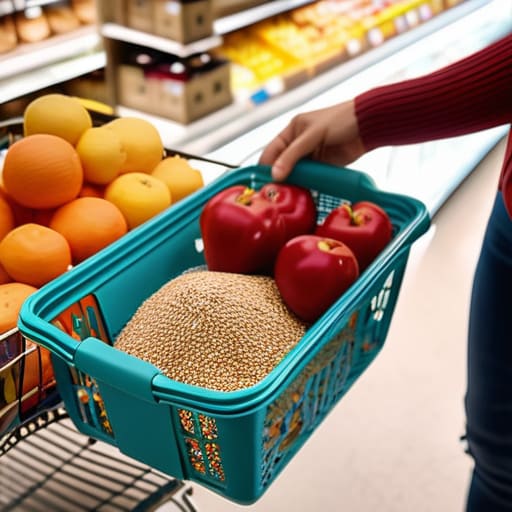
Look, saving money at the grocery store isn’t about some magical secret or a complex mathematical formula. It’s really just about being a little more intentional with how you move through those aisles. We’ve talked about how a solid, organized list keeps you from grabbing random junk, and how switching to store brands can drastically slash your total without sacrificing the food you actually love. When you stop treating every shopping trip like a chaotic scavenger hunt and start treating it like a strategic mission, you’ll see those extra dollars staying in your bank account instead of disappearing into a plastic bag.
At the end of the day, these hacks aren’t meant to turn you into a person who obsesses over every single cent, but rather someone who is in total control of their spending. Small, consistent changes are what actually move the needle over time. So, next time you head out to grab supplies, don’t just wander aimlessly. Walk in with a plan, stick to your guns, and start winning the war against those inflated grocery prices. You’ve got this.
Frequently Asked Questions
How do I keep my produce from rotting the second I get home?
Stop treating your crisper drawer like a graveyard. Most people just toss everything in and wonder why they’re eating fuzzy strawberries by Tuesday. The secret? Treat your produce like it’s fragile. Berries need a little air, greens need a paper towel to soak up the extra moisture, and for heaven’s sake, keep your onions away from your potatoes—they’ll make each other rot way faster. Prep a little, save a lot.
Is it actually worth the extra time to meal prep every single Sunday?
Look, if you’re a perfectionist who wants aesthetic Tupperware containers lined up like soldiers, it’ll feel like a chore. But for the rest of us? It’s a lifesaver. It’s not about spending five hours cooking gourmet meals; it’s about prepping the “boring” stuff—chopping onions, boiling eggs, or cooking a big batch of grains. If it stops you from hitting the drive-thru at 6 PM on a Tuesday, it’s 100% worth the effort.
What are the best apps for tracking digital coupons without losing my mind?
Look, I get it. Trying to juggle twenty different store apps while standing in the aisle is a one-way ticket to a headache. If you want to keep your sanity, stick to the heavy hitters. I swear by Ibotta for easy cash back, and Fetch is perfect if you’re too lazy to scan individual receipts (which, let’s be real, we all are). For the hardcore savers, the specific store apps like Kroger or Target are non-negotiable. Keep it simple.
