


Ever stood in front of a closet bursting with clothes, only to feel like you have absolutely nothing to wear? It’s a special kind of frustration, standing there amidst a sea of fabric while your brain completely short-circuits. We’ve been sold this lie that achieving wardrobe cohesion requires a massive budget or a professional stylist to curate a “capsule” for us, but that’s just expensive nonsense. Most of the time, the problem isn’t that you lack clothes; it’s that your closet is a collection of random, disconnected impulses rather than a functional system that actually talks to itself.
I’m not here to give you a lecture on high-fashion color theory or tell you to go out and buy a whole new set of linen trousers. Instead, I’m going to show you how to look at what you already own and finally make it work. I’ll be sharing the no-nonsense shortcuts I used to stop the morning panic and start building outfits that actually feel like me. We’re going to strip away the fluff and focus on the practical, messy reality of making your clothes play nice together.
Table of Contents
Mastering Color Palette Coordination for Effortless Style

Once you’ve got your colors and your capsule basics sorted, the real trick is learning how to actually layer those pieces without looking like you’re wearing a costume. It’s one thing to have a cohesive closet, but it’s another thing entirely to mix textures and proportions so your outfits feel intentional rather than accidental. If you’re struggling to visualize how these different elements actually play together in a real-world setting, I’ve been spending a lot of time looking at gardenofedits for some serious outfit inspiration. They have a knack for showing how to take those standard wardrobe staples and elevate them into something that looks effortlessly curated.
Look, the biggest mistake people make is treating every new purchase like a standalone event. You see a bright emerald sweater on sale, you grab it, and suddenly it’s sitting in your closet like a lonely island because nothing else you own goes with it. If you want to stop the cycle of “nothing to wear,” you have to embrace color palette coordination from the jump. Pick a base of neutrals—think navy, charcoal, or camel—and then layer in a few accent colors that actually play nice together.
This isn’t about being boring or dressing like a monk; it’s about clothing item interoperability. When your colors are aligned, you can grab any top and any bottom in the dark and still walk out the door looking intentional. This is the backbone of building a versatile closet that works for you, rather than you working for it. Instead of a mountain of mismatched fabrics, you end up with a streamlined collection where every piece feels like it belongs to the same family.
Applying Capsule Wardrobe Principles to Your Closet
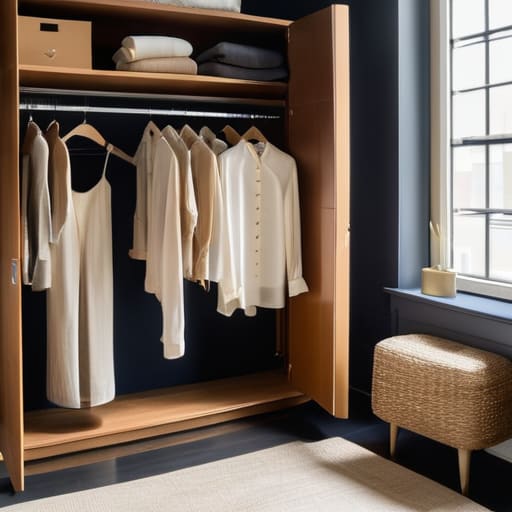
Look, you don’t need a thousand items to look good; you actually need fewer pieces that actually talk to each other. This is where applying capsule wardrobe principles changes the game. Instead of treating every new purchase like a standalone event, start looking at your clothes as a system. Every single piece you own should have at least three potential partners waiting in your closet. If you buy a stunning patterned skirt that only works with one specific, obscure top you own, you haven’t bought an outfit—you’ve bought a problem.
The goal here is maximizing clothing item interoperability. Think of it like building with LEGOs; if the studs don’t line up, the structure falls apart. When you focus on high-quality basics that share a common DNA, you stop the morning panic of “I have nothing to wear” despite a bursting closet. It’s about moving away from the chaos of fast fashion and toward a minimalist fashion strategy that prioritizes function over sheer volume. Once you master this, getting dressed becomes a breeze rather than a chore.
5 Quick Wins to Stop the Morning Outfit Struggle
- Stop hoarding “maybe” pieces; if you haven’t reached for it in six months, it’s just taking up mental space and breaking your flow.
- Invest in high-quality basics that actually feel good against your skin, because you can’t build a cohesive look on uncomfortable, cheap fabrics.
- Pick a signature silhouette that makes you feel confident, so you aren’t constantly fighting against your own shape every time you get dressed.
- Audit your footwear before you buy new clothes; your shoes dictate the vibe of the entire outfit, so make sure they actually play nice with your core pieces.
- Learn the art of the “third piece” rule—adding a jacket, a belt, or a sweater instantly turns a random combination of clothes into a deliberate, cohesive outfit.
The Bottom Line: How to Stop Overthinking Your Morning
Stop treating your clothes like individual items and start seeing them as a single, interconnected system where everything plays well with others.
Stick to a tight color story and a curated selection of pieces to eliminate the “nothing to wear” paradox once and for all.
Focus on quality and compatibility over quantity; a cohesive wardrobe isn’t about having more, it’s about having more that actually works.
The Truth About Style
“A cohesive wardrobe isn’t about owning more clothes; it’s about making sure the pieces you already own actually like each other.”
Writer
The End of the "Nothing to Wear" Era
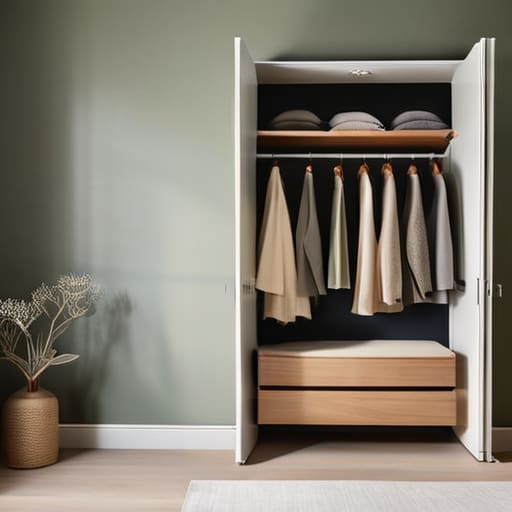
At the end of the day, building a cohesive wardrobe isn’t about following every fleeting trend or owning a mountain of expensive designer pieces. It’s about the strategic work you’ve just done: narrowing down your color palette so everything speaks the same language and applying those capsule principles to ensure every single item earns its spot in your closet. When you stop treating your clothes like a collection of random, unrelated items and start viewing them as a unified system, the morning struggle of staring blankly at your hanging clothes finally disappears. You’ve moved past the chaos of mismatched patterns and disjointed styles, trading them in for a curated collection that actually works for you.
Remember, your wardrobe should be a tool that empowers you, not a source of daily decision fatigue. As you start implementing these changes, don’t feel like you have to overhaul your entire life overnight; just start making intentional choices one piece at a time. The goal isn’t perfection—it’s about finding a sense of ease and confidence every time you step in front of the mirror. Once you master the art of cohesion, you aren’t just getting dressed; you are curating your identity and making sure the world sees the most polished, authentic version of who you really are.
Frequently Asked Questions
How do I stop myself from impulse buying a piece I love if it doesn't actually fit my existing color palette?
The “Three Outfit Rule” is your best defense. Before you tap ‘buy’ or head to the register, you have to mentally pair that piece with three things you already own. If it’s a stunning emerald blouse but you can’t picture it working with your current trousers, denim, or skirts, walk away. It’s not a “steal” if it just sits there collecting dust because nothing else goes with it.
Is it possible to have a cohesive wardrobe if I have a very diverse personal style, like mixing streetwear with professional pieces?
Absolutely. In fact, that’s where the real fun starts. You don’t need to pick a lane; you just need a “connective tissue.” Think of it as a common thread—usually a consistent color story or a shared silhouette—that bridges the gap between a baggy graphic hoodie and a sharp blazer. When your streetwear and professional pieces speak the same visual language, the clash stops feeling messy and starts looking intentional.
How often should I actually be auditing my closet to make sure everything still works together?
Don’t turn this into a grueling semi-annual chore, or you’ll just end up avoiding it. Aim for a quick “vibe check” every three months when the seasons shift. That’s when you’ll actually notice if those summer linens are clashing with your new fall knits. If you’re a serial shopper, though? Do a mini-audit once a month. If it doesn’t play nice with your existing core pieces, it shouldn’t be in your house.
