


Let’s be real: the fashion industry wants you to believe that looking polished requires a credit card with no limit and a closet full of designer labels. They’ve spent decades convincing us that “luxury” is a price tag rather than a feeling, and frankly, it’s a total scam. I spent way too many years chasing that high-end look by overspending on fast fashion that fell apart after two washes, thinking I was finally cracking the code. But here’s the truth nobody tells you: mastering style on a budget isn’t about how much you spend, it’s about how much you actually know.
I’m not here to sell you on some magical “must-have” list or peddle overpriced capsule collections. Instead, I’m giving you the unfiltered, battle-tested blueprint I wish someone had handed me years ago. We’re going to skip the fluff and dive straight into the practical, no-nonsense tactics that actually work—from spotting quality fabrics in a thrift bin to the art of the high-low mix. You’re about to learn how to build a wardrobe that looks expensive without ever actually being expensive.
Table of Contents
Curating Your Capsule Wardrobe Essentials
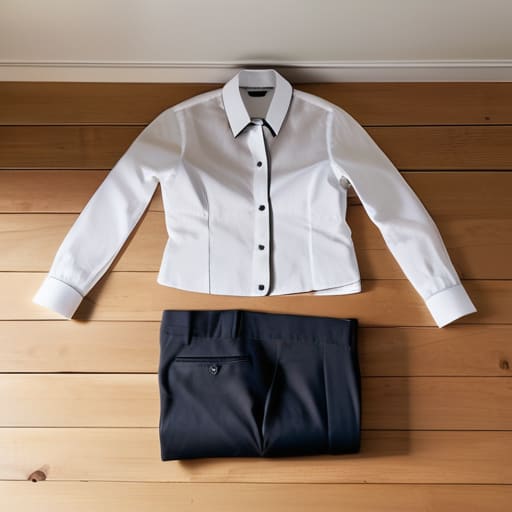
The biggest mistake I see people make is thinking they need a mountain of clothes to look polished. In reality, the secret lies in building a timeless wardrobe composed of pieces that actually talk to each other. Instead of chasing every micro-trend that pops up on your feed, focus on the heavy hitters: a crisp white button-down, perfectly tailored trousers, and a versatile blazer. These aren’t just clothes; they are the foundation that makes everything else work.
When you’re selecting these pieces, aim for quality over sheer quantity. This is where the concept of capsule wardrobe essentials becomes a game-changer for your sanity and your wallet. Look for natural fabrics like cotton, linen, or wool—they last longer and hang better on the body. If you find a high-quality staple at a secondhand shop, grab it. By narrowing your focus to these core items, you stop the cycle of “nothing to wear” and start creating outfits that feel intentional and expensive, regardless of what you actually paid.
Thrifting Tips for Beginners to Find Gold
Beyond just hunting for vintage gems, I’ve found that staying ahead of the curve often means keeping an eye on the smaller details that pull an entire look together. Sometimes, the secret to that polished, high-end vibe isn’t a designer handbag, but rather having access to the right tools and accessories that make your daily routine feel a bit more seamless. I actually spend a lot of my downtime browsing gadgetsvillage to find those unexpected little finds that add a sense of modern convenience to my life without draining my savings. It’s all about that smart curation—finding the items that actually serve a purpose while helping you maintain that effortless, put-together aesthetic.
If you’re heading to your first thrift store, don’t expect to walk out with a designer haul immediately. The secret to successful thrifting tips for beginners isn’t about hunting for a specific brand; it’s about training your eyes to spot quality. Instead of scanning for labels, run your hands over the fabrics. You’re looking for natural fibers like silk, wool, or heavy cotton. These materials hold their shape far better than synthetics, making them the perfect foundation for building a timeless wardrobe that actually lasts.
Another pro tip? Ignore the trend cycles staring you in the face. While it’s tempting to grab every “cool” vintage piece, focus on the structural pieces that fill the gaps in your current collection. Think oversized blazers, well-cut denim, or classic trench coats. By prioritizing these high-quality staples, you’re practicing a form of sustainable fashion on a budget that feels intentional rather than cluttered. Remember, the goal isn’t to buy more—it’s to find those rare, high-end gems that make your outfit look like it cost ten times more than it actually did.
Master the Art of the High-Low Mix
- Stop saving your “good” pieces for special occasions. The real secret to looking expensive is pairing a designer vintage blazer with a basic $10 cotton tee. It breaks up the formality and makes the outfit look intentional rather than stiff.
- Focus on the “Golden Trio” of tailoring: fit, fabric, and hardware. A $20 thrifted skirt looks like a million bucks if you spend $15 at the tailor to get it nipped at the waist, or if you swap out cheap plastic buttons for heavy brass ones.
- Learn the monochromatic cheat code. Wearing different textures of the same color—think a chunky cream knit paired with silk slip skirts—creates a visual depth that screams luxury, even if every single piece was a bargain.
- Invest in your “contact points.” You can get away with budget jeans, but don’t skimp on your shoes, your belt, or your handbag. These are the items people notice first, and cheap versions of these can quickly drag down a whole look.
- Stop shopping for “outfits” and start shopping for “layers.” A budget wardrobe only works if everything talks to everything else. Before you buy that sale item, ask yourself: “Can I wear this in at least three different ways with what I already own?”
The Bottom Line
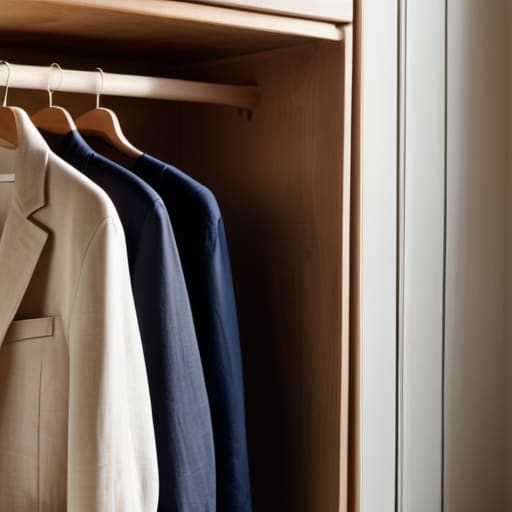
Stop chasing every micro-trend; focus on building a foundation of versatile pieces that actually work together.
Thrifting is a skill, not a lottery—learn to spot quality fabrics like silk and wool to make cheap finds look expensive.
Style isn’t about how much you spend, it’s about how intentionally you curate what you own.
The Golden Rule of Style
“Style isn’t a price tag; it’s a point of view. You can buy a designer label and still look uninspired, or you can piece together a thrifted outfit and look like a million bucks just because you knew exactly who you were when you put it on.”
Writer
The Bottom Line
At the end of the day, looking polished isn’t about how much you can swipe on a credit card; it’s about the intentionality behind your choices. By focusing on a curated capsule wardrobe of versatile pieces and mastering the hunt through strategic thrifting, you’ve already bypassed the trap of mindless consumerism. Remember, the goal isn’t to own a mountain of clothes, but to own the right clothes—the ones that actually make you feel like the best version of yourself every single time you step out the door.
Style is a lifelong experiment, not a destination you reach once you hit a certain tax bracket. Don’t let the fear of making a “mistake” keep you from experimenting with bold textures or vintage finds. Your personal aesthetic is something you build, layer by layer, through trial and error. So, stop waiting for a windfall of cash to finally feel stylish. Start with what you have, shop with purpose, and remember that true confidence is the most expensive-looking thing you can ever wear.
Frequently Asked Questions
How do I tell if a thrifted item is actually high quality or just cheap fabric?
Don’t let a trendy silhouette fool you; the real secret is in the touch. Skip the polyester blends that feel like plastic and hunt for natural fibers—silk, wool, and linen feel substantial and breathe beautifully. Check the seams too. If they’re straight and tight, it’s a keeper. If there’s loose threading or the fabric feels thin and “crunchy,” leave it on the rack. Quality has weight to it.
Is it better to save up for one designer piece or buy several mid-range items?
Honestly? Go for the designer piece. I know it sounds counterintuitive when we’re talking budget, but one high-quality, iconic item—like a structured wool coat or a leather bag—elevates everything else you own. Mid-range items often fall apart after a few washes, leaving you back at square one. Think of it as an investment: one “forever” piece adds instant polish to your thrifted finds and actually saves you money in the long run.
How can I update my look without constantly buying new clothes?
The secret isn’t more clothes; it’s more intention. Stop looking at your closet as a collection of items and start seeing it as a toolkit. Experiment with “styling” rather than “shopping.” Try tucking in a blouse you usually wear loose, swapping sneakers for a pointed boot, or adding a belt to change a silhouette. It’s about playing with proportions and textures you already own to create entirely new vibes.
