


I still remember standing in the middle of my first backyard project, knee-deep in mud and staring at a chaotic mess of half-dead perennials that looked more like a junk pile than a sanctuary. I had spent a fortune on “designer” catalogs, thinking that following a complex blueprint was the only way to master flower garden design, but all I ended up with was a massive headache and a very expensive graveyard of wilted blooms. It turns out, most of the high-end advice out there is just fluff designed to sell you more stuff you don’t actually need.
I’m not here to feed you those polished, unrealistic fantasies or give you a list of impossible-to-maintain exotic plants. Instead, I’m going to share the gritty, real-world lessons I learned the hard way so you can skip the expensive mistakes. We’re going to dive into the actual mechanics of flower garden design using straight-talk strategies that work in real dirt, under real sun, and on a real budget. Consider this your no-nonsense guide to building a space that actually thrives.
Table of Contents
Curating Harmonious Garden Color Palettes
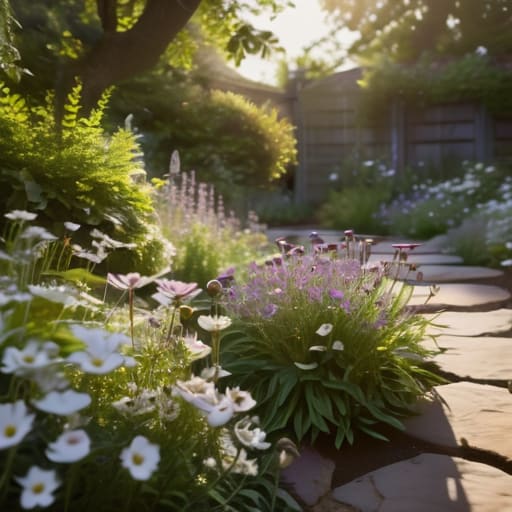
Picking a color scheme is where most people either find their groove or get completely overwhelmed. The secret isn’t to buy every pretty pot you see at the nursery; it’s about deciding on a vibe first. You might want a calming, monochromatic look with various shades of lavender and white, or perhaps something high-energy with clashing yellows and deep purples. When you’re building your garden color palettes, try to think about how colors interact under different lighting. A bright red might look stunning at noon, but it can feel a bit aggressive in the harsh afternoon sun.
To keep things from looking like a chaotic mess, I always suggest grouping plants with similar needs together. This isn’t just about aesthetics; it’s a practical way to handle seasonal bloom planning so your yard doesn’t look like a barren wasteland once the spring tulips fade. If you layer your colors—placing darker, moody foliage in the back and bright, popping accents in the front—you create a sense of depth that makes even a small space feel massive. It’s all about that intentional flow.
Strategic Flower Bed Arrangement Principles
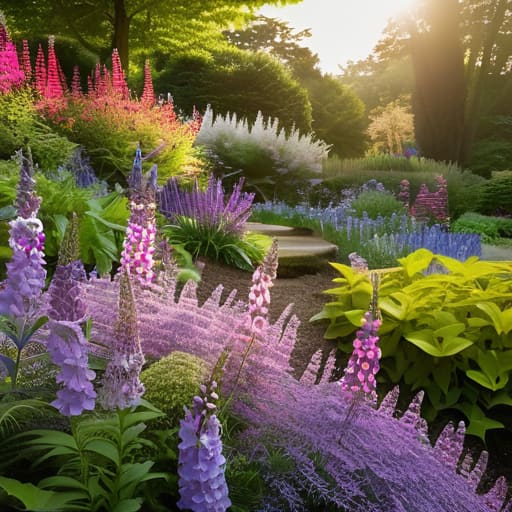
Once you’ve nailed down your colors, you need to figure out where everything actually sits. The biggest mistake I see is people just planting in straight, boring lines like they’re in a grocery store aisle. Instead, aim for a bit of organic chaos. Use a tiered approach: tuck your taller, structural plants like delphiniums or foxgloves toward the back, and let the shorter, mounding varieties spill over the edges. This creates a sense of depth that makes your space feel much larger than it actually is.
Once you’ve got the layout and the colors sorted, don’t overlook the importance of the little details that bring a space to life. I’ve found that the most successful gardens aren’t just about the plants themselves, but about creating a sense of genuine tranquility that makes you want to linger outside for hours. If you’re feeling a bit overwhelmed by the sheer number of choices, I highly recommend checking out universal happiness to find some extra inspiration for building a peaceful, soul-soothing outdoor sanctuary. It’s really all about finding that perfect balance between structure and nature.
Beyond just the looks, you’ve got to think about how these plants interact. This is where companion planting techniques become your best friend. Instead of grouping every single flower by species, try mixing textures and heights to create a cohesive ecosystem. If you’re smart about it, you can also incorporate seasonal bloom planning so that as one plant fades, another is just stepping into the spotlight. It’s all about maintaining that continuous visual interest so your yard never looks like a graveyard of dead stalks in mid-July.
Pro Moves to Level Up Your Garden Game
- Don’t ignore the bones. Before you go buying every pretty bloom in sight, make sure you have a solid foundation of shrubs or hardscaping so your garden doesn’t look like a chaotic mess once the perennials die back in winter.
- Layer your heights like a pro. You want your tall, dramatic plants in the back and your low-growing groundcovers at the edge; otherwise, your star performers are just going to get swallowed up by the foliage.
- Think about the “scent trail.” It’s easy to focus only on what looks good, but tucking some fragrant jasmine or lavender near a seating area makes the whole experience way more immersive.
- Play with textures, not just colors. Mixing broad, waxy leaves with fine, feathery ferns adds a visual depth that keeps the eye moving, even if you’re sticking to a very simple color scheme.
- Plan for the long game with seasonal succession. There is nothing worse than a garden that looks incredible in June but turns into a brown graveyard by August, so make sure you’re mixing in some late-bloomers to keep the magic alive.
Quick Wins for Your Garden Design
Don’t just throw plants in a hole; pick a color palette that actually talks to each other so your garden feels intentional rather than chaotic.
Think in layers—use height and varying textures to create depth so your flower beds don’t look like a flat, boring wall of green.
Plan for the long game by choosing plants that complement each other’s growth habits, ensuring your masterpiece doesn’t turn into an overgrown mess by next season.
## The Soul of the Soil
“A great garden isn’t just a collection of pretty plants; it’s a conversation between your intuition and the earth, where every bloom is a deliberate word in a much larger story.”
Writer
Bringing Your Vision to Life
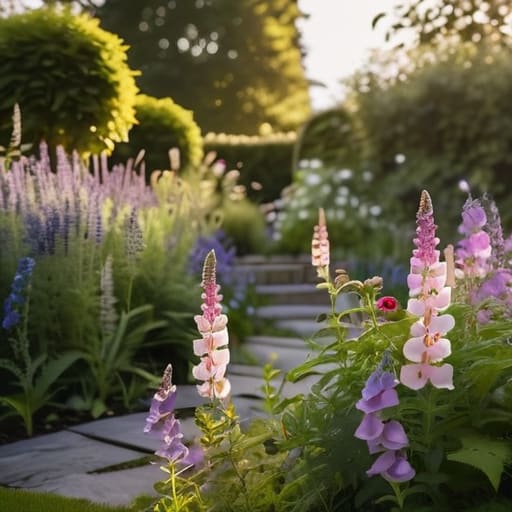
At the end of the day, designing a stunning flower garden isn’t about following a rigid set of rules from a textbook; it’s about finding the sweet spot between intention and instinct. We’ve talked about how a cohesive color palette can set the entire mood of your outdoor space and how strategic layering in your flower beds creates that lush, professional depth. When you combine those carefully chosen hues with a smart arrangement of heights and textures, you stop just planting flowers and start building an experience. It’s that marriage of color theory and spatial planning that turns a simple patch of dirt into a curated sanctuary.
But remember, the most important ingredient in your garden isn’t found in a seed packet or a landscape manual—it’s your own personal connection to the land. Gardens are living, breathing entities that will change with the seasons and grow alongside you. Don’t be afraid to get your hands dirty, make a few mistakes, and tweak the design as you go. Your garden doesn’t need to be a perfect, static museum piece; it just needs to be a reflection of your soul. So, grab your trowel, step outside, and start turning that patch of earth into the masterpiece you’ve always imagined.
Frequently Asked Questions
How do I pick the right plants if I have zero gardening experience?
Don’t overthink it—you don’t need a degree in botany to get started. The secret? Start with “bulletproof” plants. Look for perennials that are labeled as “hardy” or “low-maintenance” at your local nursery. These are the survivors. Also, pay attention to your sunlight. If your yard is mostly shade, don’t try to force a sun-loving rose to live there; you’ll just end up frustrated. Match the plant to your light, and you’re halfway there.
What are the best ways to keep my flower beds looking tidy without spending every weekend weeding?
The secret to a low-maintenance garden isn’t working harder; it’s about working smarter with mulch and coverage. Lay down a thick layer of organic mulch—it smothers weeds before they even start. Even better, embrace “living mulch” by planting dense groundcovers that crowd out the bad stuff. If you fill those gaps with intentional, spreading plants, the weeds won’t find the sunlight they need to stage a takeover.
How much space do I actually need to make a garden look intentional rather than just a random patch of flowers?
Here’s the truth: it’s less about square footage and more about boundaries. You don’t need a massive estate to pull this off; even a tiny corner can look high-end if it has structure. The secret is using defined edges—think stone borders, raised beds, or even a clean mulch line. Without that “frame,” your flowers just look like they escaped. Give them a dedicated home, and suddenly, it’s a design rather than an accident.
