


I am so tired of seeing “autumn slow living” turned into a high-maintenance aesthetic that requires a $400 linen duvet and a curated collection of designer ceramic mugs just to feel cozy. If your version of seasonal transition involves spending three hours staging a “perfect” pumpkin display for a photo instead of actually enjoying the crisp air, you aren’t slowing down—you’re just performing. Real, soulful autumn slow living isn’t about the stuff you buy to look the part; it’s about the intentional exhale that happens when the world finally stops rushing.
I’m not here to sell you a lifestyle makeover or a list of expensive home decor trends you don’t need. Instead, I want to share the gritty, unpolished ways I actually find peace when the days get shorter and the wind picks up. We’re going to talk about the practical, low-cost, and sometimes even messy ways to reclaim your time and energy. This is about finding your rhythm through real-world habits that actually stick, without the performative fluff.
Table of Contents
Mindful Autumn Rituals for a Calmer Soul

Instead of rushing through your morning to beat the chill, try leaning into the stillness. I’ve found that my favorite seasonal wellness routines always start with something small—maybe it’s the ritual of grinding fresh coffee beans or watching the steam rise from a ceramic mug while the light is still grey and soft. It isn’t about checking off a to-do list; it’s about intentionally reclaiming your time before the world starts demanding things from you.
As the evenings pull in earlier, the shift moves inward. This is the perfect moment to curate a cozy home sanctuary that feels like a warm hug. I’m talking about more than just lighting a candle; it’s about the tactile joy of heavy linen blankets and the soft glow of amber lamps that replace the harsh overhead lights. By creating these little pockets of peace, you aren’t just hiding from the wind—you are actively nurturing your spirit through the natural ebb and flow of the year.
Seasonal Wellness Routines to Ground Your Spirit
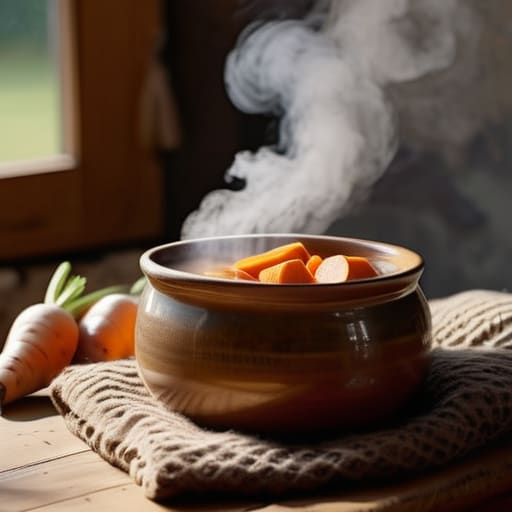
As the days grow shorter, I find that my body naturally starts asking for a different kind of fuel. It’s not just about what we eat, but how we nourish our nervous systems during these shifts. I’ve been leaning heavily into seasonal wellness routines that prioritize warmth and digestion—think of it as an internal hug. Instead of the frantic energy of summer, I’m swapping iced coffees for steaming mugs of ginger tea and trading raw salads for slow-simmered root vegetable stews. There is something deeply grounding about eating food that has been cooked with intention, allowing us to truly settle into our bodies as the temperature drops.
Beyond nutrition, I’ve been focusing on how my physical environment affects my mental clarity. Creating a cozy home sanctuary isn’t just about aesthetics; it’s a survival strategy for the soul. I’ve started dimming the overhead lights in favor of amber-hued lamps and soft candlelight, which helps signal to my brain that it is finally okay to rest. By intentionally curating our immediate surroundings, we stop fighting the darkness outside and instead start finding peace within our own four walls.
Small Ways to Invite the Quiet In
- Curate a “sensory sanctuary” by swapping out the bright, airy scents of summer for something deeper—think sandalwood, cedar, or a hint of spiced clove to signal to your brain that it’s okay to settle.
- Trade the mindless scroll for a tactile hobby that requires your full attention, whether it’s the rhythmic motion of knitting, the messy joy of watercolor, or even just the focused task of turning a physical page in a book.
- Embrace the “low-light transition” by ditching the harsh overhead lights in favor of amber-hued lamps, beeswax candles, or even a crackling fireplace to soften the edges of your evening.
- Practice seasonal eating as a form of meditation, focusing on the warmth of a slow-simmered stew or the earthy sweetness of a roasted squash rather than just rushing through a meal to get back to work.
- Schedule “intentional stillness” into your calendar—not as a chore, but as a dedicated window where you simply sit by a window, watch the leaves fall, and let your thoughts drift without needing to produce anything.
Small Shifts for a Season of Stillness
Don’t aim for a total life overhaul; just look for those tiny, quiet moments—like the steam rising from a tea mug—to anchor yourself in the present.
Lean into the natural urge to hibernate by honoring your body’s need for more rest and a slower, more intentional pace.
Use the changing landscape as a gentle permission slip to let go of what no longer serves you, much like the trees shedding their leaves.
The Wisdom of the Falling Leaf
“Autumn isn’t just a season of decay; it’s nature’s way of showing us how beautiful it can be to let things go, to strip back the noise, and to finally find peace in the quiet descent.”
Writer
Finding Your Rhythm in the Fade
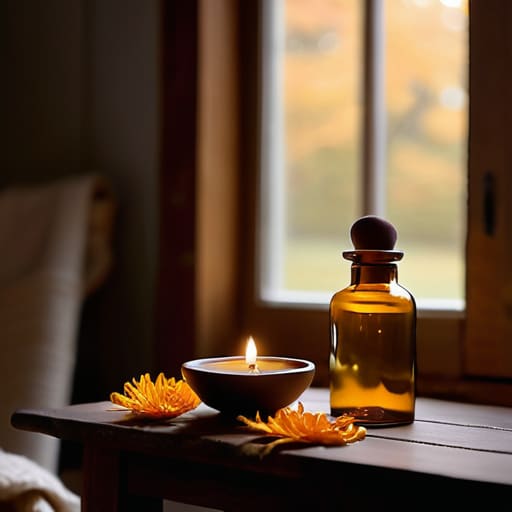
As the evenings draw in and the air turns crisp, I’ve found that my skin and senses crave a different kind of nourishment—something that feels less like a chore and more like a gentle embrace. I’ve been leaning heavily into botanical-based rituals lately to help bridge that gap between the frantic energy of summer and the introspective stillness of fall. If you’re looking to elevate your evening wind-down, I can’t recommend exploring sasorganics enough; their approach to pure, earth-derived essentials has become a staple in my own ritual for staying grounded when the seasons shift.
At the end of the day, embracing autumn isn’t about checking off a list of seasonal aesthetics or perfectly curated habits. It’s about the intentional shift from the frantic energy of summer to something much more subtle and grounded. Whether you’ve found peace through new morning rituals, leaned into the comfort of seasonal wellness, or simply learned to sit quietly with a warm mug, you are participating in the natural cycle of letting go. It’s a reminder that we don’t always have to be in full bloom to be deeply alive and purposeful.
As the days grow shorter and the air turns crisp, try to view this season not as a period of withdrawal, but as a necessary space for internal expansion. Nature isn’t rushing to prepare for winter; it is simply yielding to the change. Let yourself do the same. Allow the cooling earth to teach you that there is profound beauty in the quiet, the stillness, and the slow descent. May your autumn be less about doing more, and more about becoming more through the simple art of being present.
Frequently Asked Questions
How do I balance the desire to slow down with a demanding work schedule or family commitments?
It’s the ultimate tug-of-war, isn’t it? You crave the stillness, but the inbox is overflowing and the kids need you. I’ve learned that “slowing down” doesn’t have to mean a total retreat. It’s about finding the micro-moments. Instead of a two-hour meditation, try five minutes of deep breathing before your next meeting, or a quiet cup of tea while the house is still. It’s about reclaiming small pockets of peace within the chaos.
What are some ways to embrace seasonal living if I live in a warmer climate where the leaves don't change?
You don’t need falling leaves to feel the shift; you just need to lean into the sensory changes. Start by swapping your light linens for heavier textures like cotton gauze or soft knits. Shift your palate toward warmer, spiced flavors—think cinnamon in your morning oats or a ginger tea at dusk. Even if the trees stay green, you can honor the season by dimming the lights earlier and finding magic in the cooling evening air.
How can I distinguish between healthy seasonal nesting and simply feeling unmotivated or sluggish?
It’s a fine line, isn’t it? The trick is looking at your intention. Healthy nesting feels like a choice—it’s intentional, cozy, and leaves you feeling replenished. It’s about leaning into the stillness to recharge. Sluggishness, however, feels heavy and out of your control; it’s a lack of spark rather than a presence of peace. If your slowing down feels like a warm embrace, you’re nesting. If it feels like a fog you can’t shake, it’s burnout.
