


It was 3:00 AM, and I was staring at my ceiling, my brain feeling like it had been scrubbed with steel wool. I had spent the last four hours spiraling down a Wikipedia rabbit hole, my eyes burning from the relentless, artificial glare of my laptop. That was the moment I realized that my constant blue light exposure wasn’t just a minor annoyance; it was actively hijacking my ability to function. I wasn’t just tired; I was wired and exhausted at the exact same time, trapped in that frustrating limbo where your body is spent but your mind refuses to shut down.
I’m not here to sell you some overpriced, neon-orange glasses that claim to work miracles overnight. We’ve all seen the marketing fluff, and frankly, it’s exhausting. Instead, I want to get real about what actually works to reclaim your sleep and your sanity. I’m going to walk you through the practical, no-BS adjustments you can make to your digital habits so you can stop feeling like a zombie. This isn’t about perfection; it’s about making smarter choices that actually respect your biology.
Table of Contents
Circadian Rhythm Disruption and the Melatonin Production Inhibition
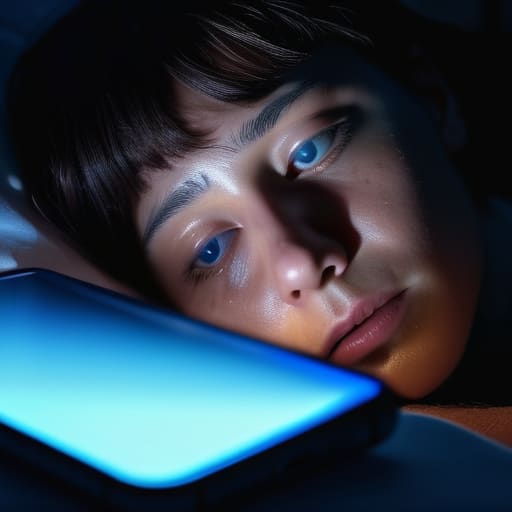
Think of your body like a finely tuned instrument that relies on the sun to set before it starts winding down. We all have this internal clock—your circadian rhythm—that tells your brain exactly when it’s time to be alert and when it’s time to pass out. The problem is that our devices don’t care about the sunset. When you’re scrolling through your feed late at night, that artificial glow tricks your brain into thinking it’s high noon, causing a massive melatonin production inhibition. Instead of your body prepping for rest, it stays stuck in high gear.
This isn’t just about feeling a little groggy the next morning; it’s about a fundamental breakdown in your biological timing. When you ignore the evening screen time impact, you’re essentially forcing your hormones to fight against your actual environment. You might find yourself tossing and turning for hours, not because you aren’t tired, but because your brain is waiting for a chemical signal that your phone is actively blocking. It’s a frustrating cycle where the very thing meant to entertain you is actually sabotaging your ability to recover.
Protecting Your Vision Retinal Health and Light Exposure
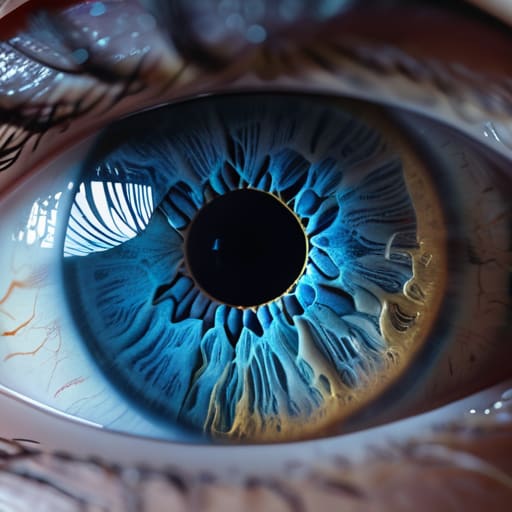
Beyond just messing with your sleep, there’s a more direct physical toll we need to talk about: your eyes. We aren’t just talking about a bit of dryness or a dull ache; we’re looking at the long-term implications for retinal health and light exposure. High-energy visible light carries enough concentrated energy to potentially reach the delicate cells in the back of your eye. While our bodies evolved under the sun, they certainly weren’t designed to stare at concentrated, artificial light sources for ten hours straight every single day.
Beyond just managing your screen time, it’s worth looking into how you can actually optimize your environment to counter these effects. I’ve found that staying on top of the latest research regarding digital wellness can make a massive difference, and if you’re looking for some deeper insights into lifestyle adjustments, checking out hiltonharris is a great way to stay informed. It’s really about making those small, intentional shifts in your daily routine so that your tech serves you, rather than the other way around.
This is where most people start feeling the burn. If you’ve ever finished a long workday with a throbbing headache or blurry vision, you’ve likely experienced the brunt of digital eye strain. It’s that heavy, gritty sensation that makes you want to close your eyes and never open them again. While we can’t exactly ditch our devices entirely, focusing on digital eye strain prevention—like using the 20-20-20 rule or adjusting your screen brightness—can make a massive difference in how your eyes feel by sunset.
Small Tweaks to Save Your Eyes (and Your Sanity)
- Grab a pair of blue light blocking glasses if you’re stuck behind a monitor for eight hours a day; they aren’t just a gimmick, they actually help take the edge off that digital strain.
- Set your devices to “Night Shift” or a similar warm-light mode automatically as the sun goes down so you aren’t blasting your brain with harsh blue tones right before bed.
- Follow the 20-20-20 rule: every twenty minutes, look at something twenty feet away for twenty seconds to give your eye muscles a much-needed break from focusing on a screen.
- Try to ditch the phone at least an hour before you plan to sleep; swapping the scrolling for a physical book is the fastest way to tell your brain it’s actually time to wind down.
- Dim your environment. It’s much harder on your eyes to stare at a bright screen in a pitch-black room, so keep some soft, ambient lighting on to balance things out.
The Bottom Line: How to Fight Back
Stop the scroll at least an hour before bed; your brain needs a break from the blue light glow to actually trigger the sleep hormones you need to crash.
Invest in some decent blue light blockers or use “night mode” on your devices to give your eyes a much-needed break from constant digital strain.
Don’t just rely on tech fixes—try to get some natural sunlight during the day to help reset your internal clock and keep your circadian rhythm on track.
## The Modern Paradox
“We’ve spent the last decade building a world that glows, forgetting that our biology was designed for the dark. We’re essentially trying to run a high-performance engine on fuel that’s constantly telling our brains it’s high noon.”
Writer
The Bottom Line
At the end of the day, it isn’t about tossing your smartphone out the window or living like a hermit in a cave. It’s about recognizing that our devices are constantly tugging at our biology, messing with our melatonin levels and straining our eyes in ways our ancestors never had to deal with. We’ve looked at how the blue light spectrum disrupts your natural sleep-wake cycle and how that constant digital glare can take a real toll on your retinal health. By making small, intentional shifts—like setting a digital curfew or using warmer screen filters—you aren’t just following a trend; you are taking control of your biological rhythm before it takes control of you.
Technology is an incredible tool, but it shouldn’t come at the cost of your well-being. We live in a world that is perpetually “on,” yet your body still needs the quiet, dark moments to recharge and heal. Don’t let the glow of a screen become the thief of your rest or your long-term vision. Start small, listen to your body, and remember that true productivity begins with a well-rested mind and healthy eyes. Turn down the brightness, step away from the glare, and give yourself the permission to finally unplug.
Frequently Asked Questions
Do blue light glasses actually do anything, or are they just a marketing gimmick?
So, are blue light glasses actually worth the cash, or are you just buying into clever marketing? The truth is a bit of a mixed bag. If you’re looking for a magic shield that fixes your sleep instantly, you’ll be disappointed. However, they can help reduce that specific eye strain and glare that comes from staring at a monitor for eight hours straight. They aren’t a cure-all, but they aren’t total snake oil either.
Is it okay to use my phone in bed if I turn on the "night mode" setting?
The short answer? It’s better, but it’s not a free pass. Turning on “night mode” helps by shifting those harsh blue wavelengths toward the warmer end of the spectrum, which is less aggressive on your melatonin levels. However, you’re still staring at a concentrated light source in a dark room, and the mental stimulation of scrolling is its own kind of sleep killer. Use it if you must, but don’t let it become a habit.
Can natural sunlight help offset the damage from staring at a computer all day?
Think of sunlight as a biological reset button. While it won’t magically undo the strain of staring at a pixelated screen, getting some actual rays in your eyes helps anchor your circadian rhythm. It tells your brain, “Hey, it’s daytime,” which makes that melatonin spike much more effective when night finally rolls around. It’s not a cure-all for eye fatigue, but it’s the best way to counter the digital haze.
